Expanding the Electric Corridor
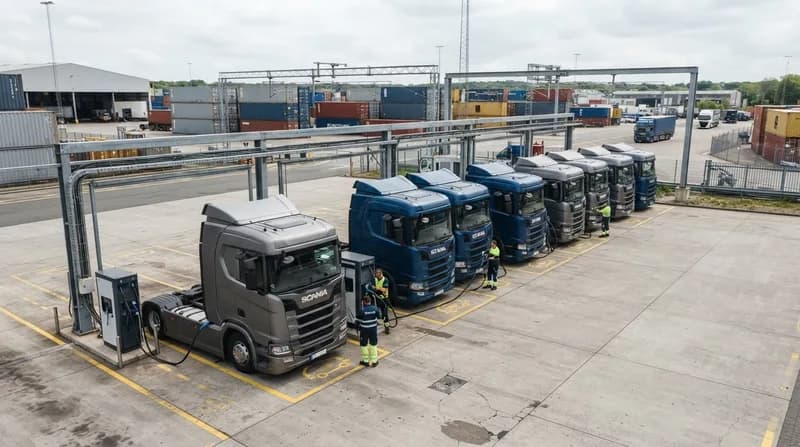
The transition to zero-emission heavy-duty transport is reaching a new milestone in Sweden. Jula Logistics, in partnership with service provider EcoLink, has placed an order for 20 additional battery-electric trucks from Scania. This expansion brings their total order book to 40 electric vehicles, all slated for delivery by 2027. This move signals a significant shift in the logistics industry, proving that heavy-duty, long-haul routes—traditionally the exclusive domain of diesel—are increasingly viable for electric alternatives.
The backbone of this expansion is Scania’s sophisticated battery architecture. By implementing a specialized battery pack positioning behind the cab, these vehicles offer an impressive 802 kWh capacity. This design choice optimizes weight distribution and allows the trucks to achieve a range of up to 720 kilometers on a single charge. This capability effectively bridges the gap between regional distribution and the demanding, high-mileage requirements of cross-country shipping in the Scandinavian region.
Strategic Infrastructure and Total Cost of Ownership
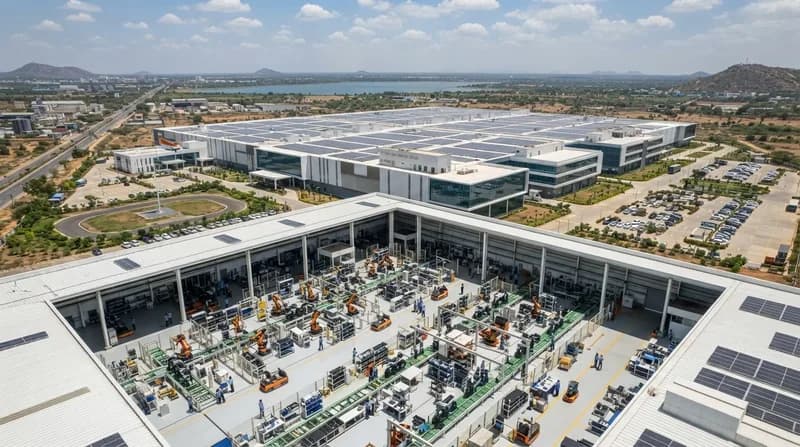
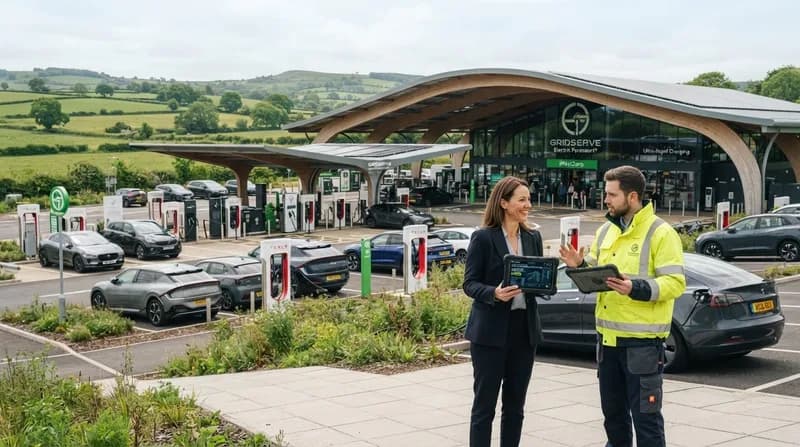
Electrification is not merely about replacing diesel engines with electric motors; it is a holistic logistical evolution. Jula Logistics has been meticulously preparing for this shift by simultaneously investing in private energy infrastructure. Their strategy integrates on-site photovoltaic solar installations, industrial-scale battery storage, and high-capacity charging facilities. This vertical integration ensures that the fleet is powered by energy that aligns with their operational capacity and carbon reduction goals.
When evaluating these investments, Jula Logistics emphasizes the total cost of ownership (TCO) as their primary decision-making metric. By analyzing energy expenditures, potential residual vehicle values, and long-term maintenance, the company has determined that a gradual, phased electrification strategy is more prudent than a sudden, large-scale fleet overhaul. This methodical approach allows the logistics provider to scale alongside improvements in battery technology while ensuring financial stability in a market that is still adjusting to the price premiums of electric heavy-duty hardware.
Why It Matters
- Long-Haul Viability: Achieving a 720 km range proves that the limitations once associated with battery-electric trucks are rapidly dissolving for heavy industry.
- Energy Autonomy: By investing in internal charging and storage, Jula Logistics mitigates risks associated with public grid variability.
- Operational Integration: The strategy includes a multi-modal approach, integrating electric train transport and electric reachstackers, creating a fully electrified logistics chain.
A Competitive Landscape
The adoption of Scania’s technology is part of a broader trend, though investment models differ significantly across the sector. While Jula Logistics prefers ownership and infrastructure integration, other firms are exploring "Truck-as-a-Service" models, such as the pilot program currently being tested by Rhenus in Germany. These varying approaches highlight that while the hardware—Scania’s robust electric platform—remains a consistent gold standard, the business models to support green logistics are still being written. With these new units operational by 2027, Jula Logistics is positioning itself to be a leader in the inevitable transition toward a carbon-neutral supply chain.