Expanding the Horizon: The 30# Battery Block
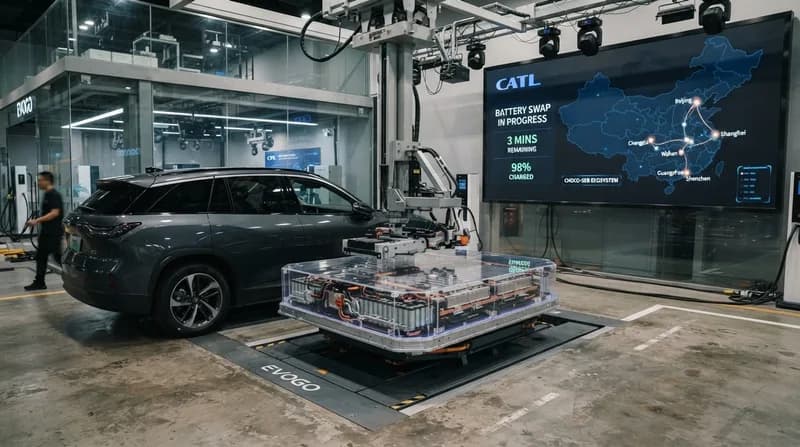
CATL has officially expanded its Choco-SEB (Swapping Electric Block) ecosystem with the introduction of its most powerful swappable unit to date, the 30# battery pack. Designed specifically for the passenger vehicle market, this 100 kWh battery represents a significant leap in energy density for a system that previously relied on smaller 20# and 25# blocks. By moving to this higher-capacity format, CATL is directly addressing the growing consumer demand for longer range, effectively positioning its swappable technology to compete with, or even outperform, traditional fixed-battery architectures in modern EVs.
The integration of the 30# block is a strategic move to ensure CATL's swapping network remains relevant as vehicles evolve. While previous blocks like the 56 kWh 25# LFP version served standard commuters well, the new 100 kWh option allows for a robust CLTC-rated range of approximately 700 kilometers. This capacity is critical, especially as even some modern plug-in hybrids are now featuring battery packs nearing the 90 kWh mark, making smaller entry-level packs feel increasingly inadequate for long-distance drivers.
Technical Versatility and Infrastructure Synergy
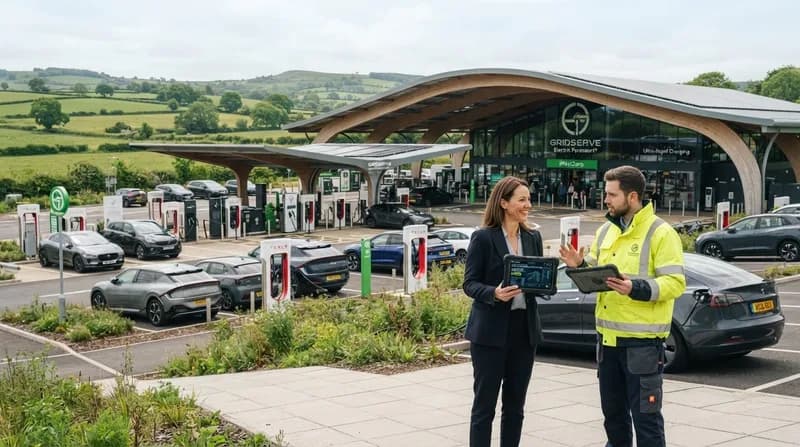
Beyond its impressive capacity, the 30# block is engineered for high-performance utility. It boasts a maximum discharge power of 600 kW, ensuring that vehicles equipped with the pack have the necessary output for rapid acceleration and sustained high-speed driving. Importantly, the battery is not locked into the swapping ecosystem; it is fully compatible with conventional fast-charging infrastructure. When connected to high-speed chargers, the unit can regain 400 kilometers of range in just 10 minutes, offering drivers a flexible "best of both worlds" experience.
Looking ahead, the design of the 30# block anticipates future advancements in energy storage. CATL has confirmed that the chassis-integrated design of the 30# is built to support next-generation chemistry, including both sodium-ion and solid-state technologies. This future-proofing ensures that as battery materials evolve, the existing swapping station network can be upgraded without requiring a wholesale overhaul of the physical station infrastructure.
Why It Matters
- Strategic Scaling: CATL is aggressively pursuing a target of 6,000 swapping stations by 2027, aiming to surpass existing competitors like NIO.
- Broad Compatibility: Through partnerships with major players like BAIC and Hyundai, CATL is standardizing the Choco-SEB format for a diverse range of vehicles, from mass-market hatchbacks to premium SUVs.
- Addressing Range Anxiety: By providing a 100 kWh option that can be swapped in under 60 seconds, CATL is effectively neutralizing the time-cost of charging for long-haul EV users.