The Challenge of Battery Longevity
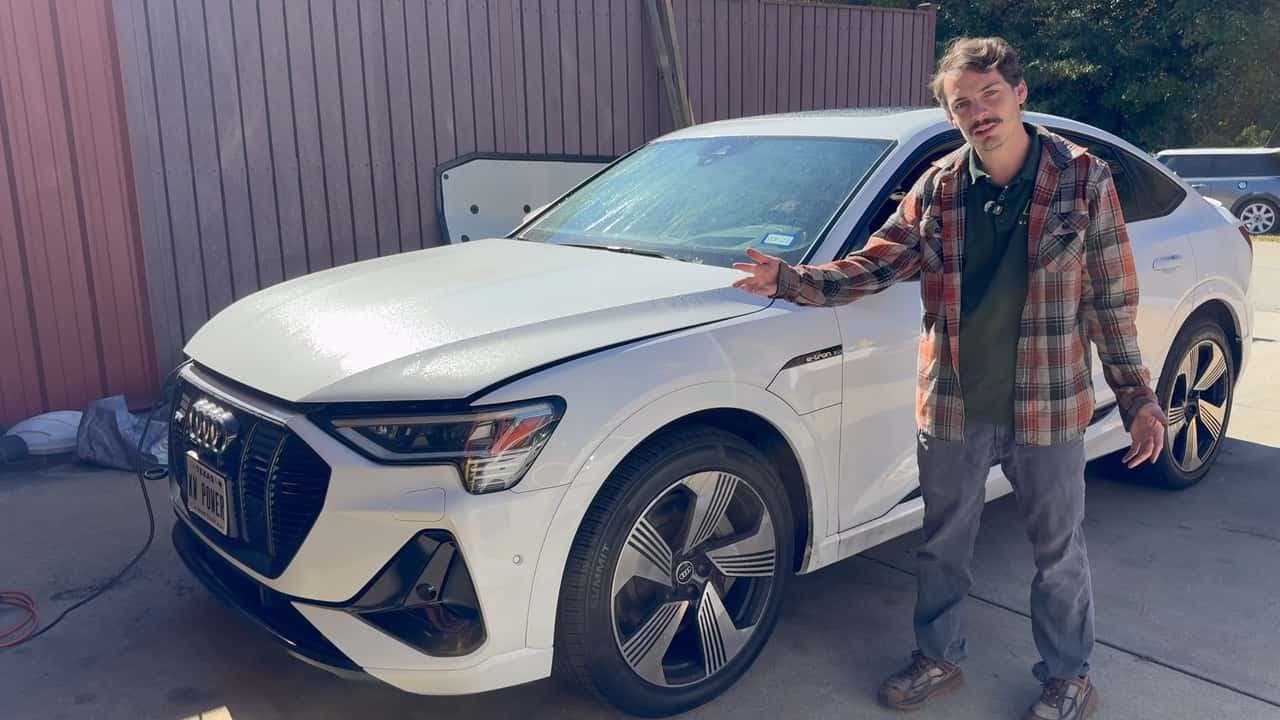
While the broader narrative surrounding electric vehicles often highlights the remarkable longevity of battery packs, real-world scenarios occasionally defy expectations. A recent case involving a 2020 Audi E-Tron Sportback serves as a potent reminder that even advanced battery management systems are subject to premature failure. After reaching the 125,000-mile mark, the SUV’s traction battery suffered a catastrophic failure, rendering the vehicle completely immobile. While the chassis and interior remained in excellent condition, the core energy storage unit required a complete overhaul to return the vehicle to the road.
The diagnostic process revealed the specific nature of the breakdown. Advanced scan tools indicated that while the battery pack was reporting a full voltage, individual internal modules were registering at 0% state of charge. Further investigation confirmed widespread voltage inconsistencies across several modules, signaling a total failure of the high-voltage system. This necessitated a sourcing mission for a replacement unit, which was eventually retrieved from a salvaged vehicle that had previously logged roughly 30,000 miles.
Mechanical Hurdles and Component Integration
Installing a replacement battery pack in an electric vehicle is often perceived as a modular, straightforward process. However, this specific project underscored the unexpected complexities that arise when donor parts are not in perfect condition. The replacement unit sustained minor damage during its time in a salvage environment, specifically affecting one corner and compromising the integrity of the pack's seal. To maintain safety and performance standards, technicians were forced to perform a meticulous swap of the original top lids, coolant fittings, and the pyro fuse from the defunct unit onto the replacement.
These physical modifications were only the beginning of a grueling week-long repair process. The automotive industry’s stringent digital security measures presented a significant obstacle once the hardware was physically secured. Because the replacement pack originated from a vehicle that had experienced a collision, it contained stored crash codes in its control modules. This triggered a lockout, preventing the Audi’s onboard computer from authorizing the new hardware. The vehicle’s brain essentially refused to recognize the replacement parts, necessitating external, specialized software intervention to clear the existing fault codes and synchronize the new battery's management system with the car’s central gateway.
Why It Matters: The Future of EV Servicing
- Diagnostic Depth: The case highlights the necessity of sophisticated diagnostic software to identify cell-level failures, which may not be obvious during routine maintenance.
- Software Barriers: The requirement for manufacturer-specific authorization and unlocking tools demonstrates that "repairability" in the EV era is as much a digital hurdle as a mechanical one.
- Sustainability and Renewability: Sourcing batteries from salvaged vehicles represents a significant step toward a circular economy, but it requires industry-wide standardization to ensure cross-compatibility between donor parts and aging chassis.
Outlook and Implications
The successful reactivation of this Audi E-Tron provides a compelling look at the evolving landscape of long-term EV ownership. While the repair was undeniably laborious—transforming what should have been a short-term swap into a multi-day ordeal—it ultimately preserved a vehicle that might otherwise have been destined for the scrap heap. As the current fleet of EVs continues to age and transition into the secondary market, the infrastructure surrounding component recycling and authorized software synchronization will become critical. This event serves as a roadmap for the future of repair shops, illustrating that while EVs are built to last, the ability to service them hinges on overcoming proprietary digital roadblocks as much as mastering the underlying electrical architecture.