The Dawn of Volvo Electrification
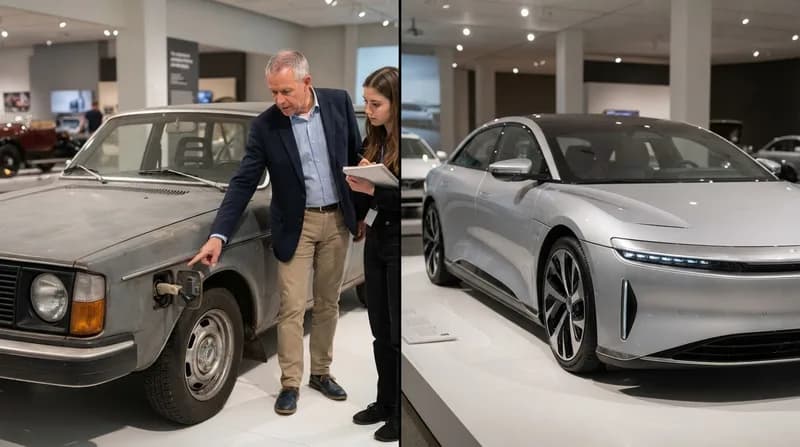
In November 1976, Volvo introduced the world to the Elbil, a compact electric vehicle that served as the Swedish automaker’s first true experiment in emission-free transit. Far from the sleek, high-performance battery-electric vehicles gracing showroom floors today, the Elbil was a utilitarian solution designed for local utility. Only two prototypes were ever produced: a four-seater finished in vibrant orange and a butter-yellow two-seat delivery van featuring a sliding side door.
The Elbil was commissioned specifically for the Swedish telecommunications authority, Televerket, to facilitate short-haul service trips around Gothenburg. Even in 1976, Volvo engineers were fighting the same uphill battle that occupies modern EV developers: the challenge of weight. To keep the 1,200-kilogram vehicle agile, engineers utilized a mix of aluminium for the roof and doors, paired with glass-fibre-reinforced plastic for the bonnet and tailgate. It was a forward-thinking approach to materials that foreshadowed today’s obsession with efficiency and range optimization.
Technical Limitations of the 1976 Prototype
- Motor Output: A modest 9.5 kW electric motor.
- Propulsion System: Rear-axle integrated motor with a custom continuously variable transmission.
- Energy Storage: Twelve 6-volt lead-acid batteries.
- Performance: A top speed of 70 km/h and a maximum range of approximately 50 kilometres.
- Charging: A lengthy 10-hour duration to reach a full charge.
Reflecting on the EV Evolution
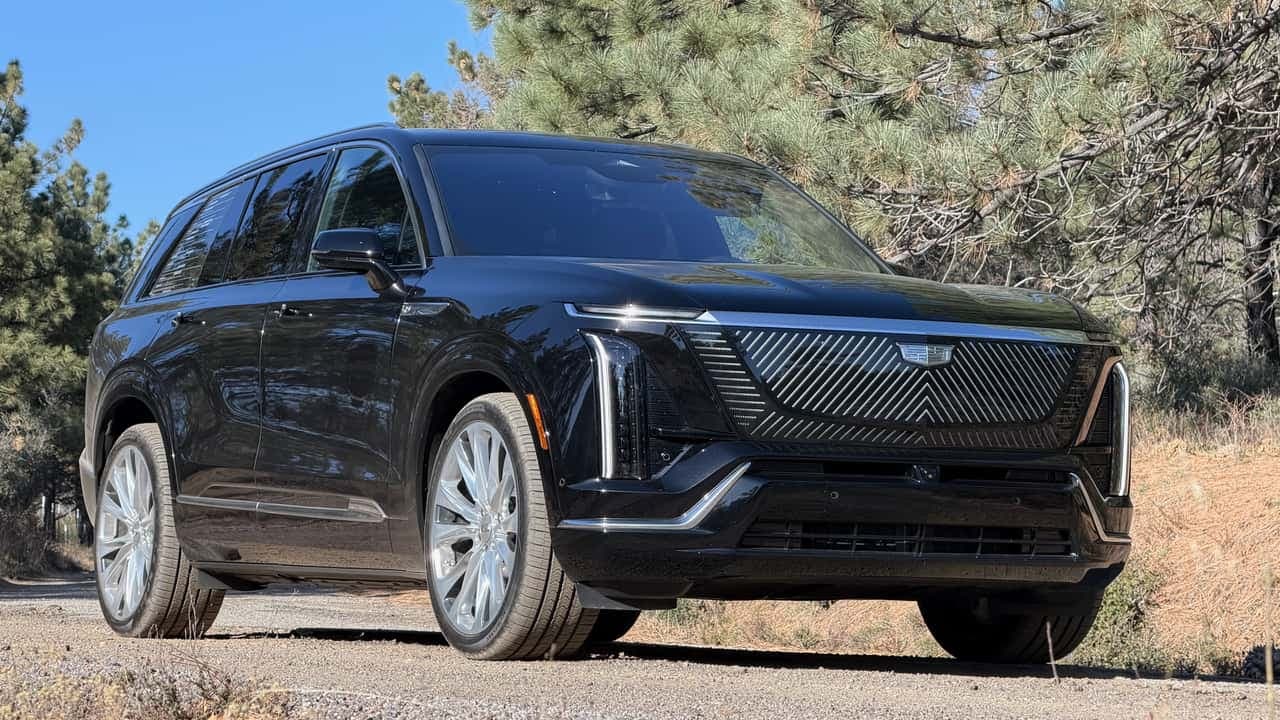
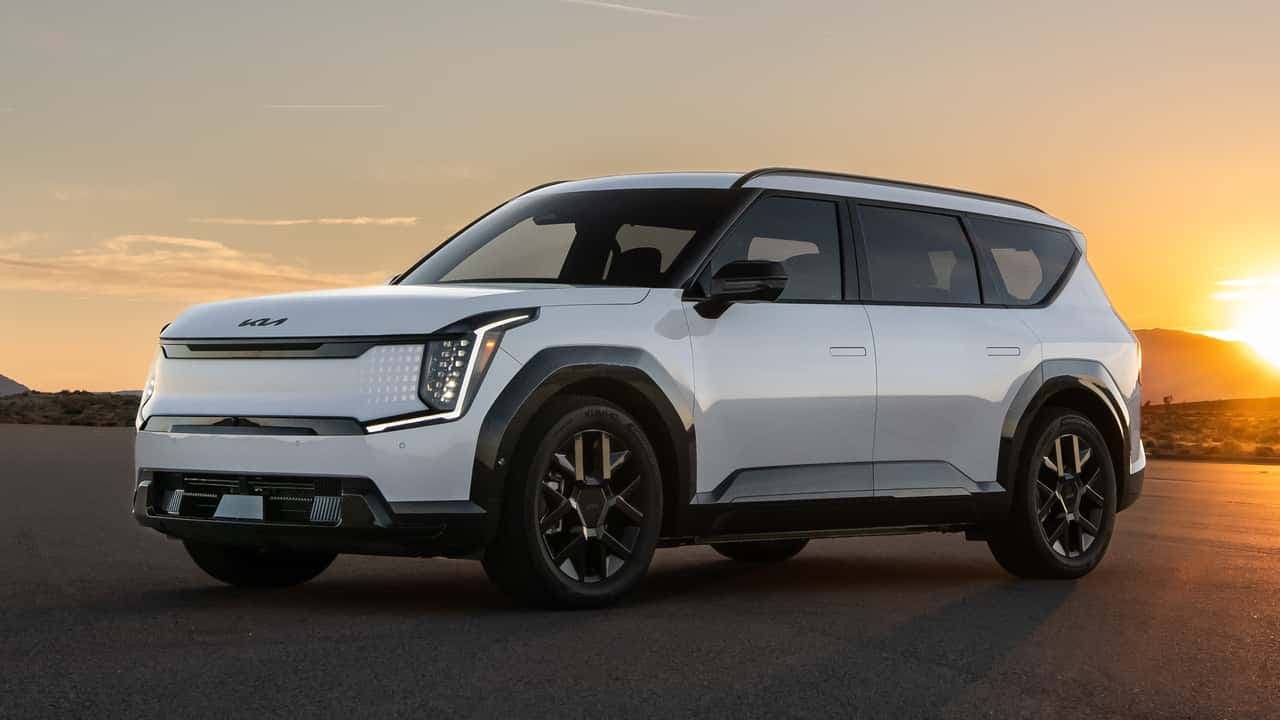
Comparing the Elbil to Volvo’s current lineup, such as the EX60, highlights the staggering trajectory of automotive engineering. While the Elbil was limited to short city hops with long downtime, today’s P12 AWD Electric variant of the EX60 pushes the boundaries of performance and utility. Boasting up to 810 km of range on the WLTP cycle and a 500 kW powertrain, the leap in capability is over fiftyfold in terms of power output alone.
The shift in manufacturing philosophy is equally dramatic. Where the 1976 engineers manually combined disparate materials to shed weight, today’s Volvo vehicles leverage sophisticated cell-to-body architecture, embedding the battery directly into the car's load-bearing structure. Innovations like megacasting—replacing dozens of individual metal components with single, massive castings—have streamlined production and improved structural integrity, turning what was once a heavy experimental prototype into a refined, mass-market marvel.
Why It Matters: The Expectation Gap
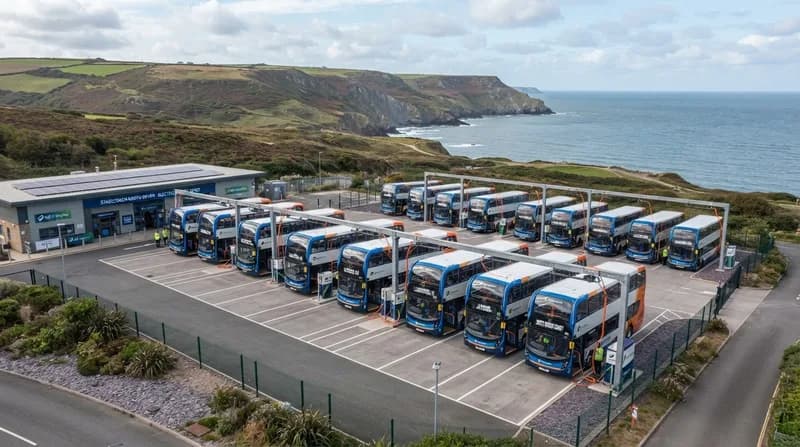
The progression from the ten-hour charging times of the Elbil to the sub-ten-minute rapid charging capabilities of modern EVs is a testament to immense R&D investment. Yet, the existence of the Elbil serves as a historical mirror for today’s consumers. It prompts a critical question: how much car do we truly need? While expectations have inflated alongside battery capacities, the original intent of the Elbil—to provide simple, effective local transport—remains the fundamental backbone of the EV revolution. As charging infrastructure catches up with range capabilities, the industry continues to move toward a future where the constraints that once defined the electric vehicle are becoming nothing more than a footnote in history.