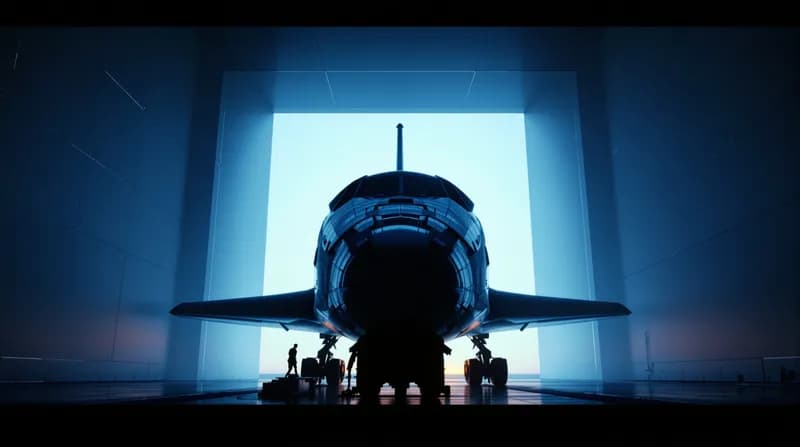
Fifteen years ago today, an era of space exploration reached its conclusion as the final Space Shuttle touched down for the last time. The retirement of the iconic orbiter fleet marked a significant shift in how the United States accesses low Earth orbit, transitioning from government-operated vehicles to a reliance on private sector partnerships.
The Shift to Commercial Partners
Since the shuttle's retirement, NASA has pivoted toward the Commercial Crew Program. This strategic move was designed to foster innovation and reduce costs by leveraging the capabilities of private companies like SpaceX and Boeing. While the transition has seen notable successes, including the regular deployment of the Crew Dragon, it has also faced significant hurdles and delays.
A Mixed Legacy for Replacements
As the milestone anniversary passes, the performance of these commercial replacements remains a central topic in the aerospace community. While SpaceX has successfully restored independent human spaceflight capabilities to U.S. soil, other programs continue to navigate technical challenges, raising questions about the long-term sustainability and efficiency of the current commercial model compared to the shuttle's multidisciplinary legacy.