E-BUZZ ME Logo
Electric VehiclesTechnical Deep Dive

Redefining Micromobility: Why Function Should Trump Form in Urban Transit

Published
Redefining Micromobility: Why Function Should Trump Form in Urban Transit
1 min read141 words

The Gist

As micromobility reshapes urban transportation, experts argue that we must stop categorizing vehicles by their appearance and start focusing on their utility.

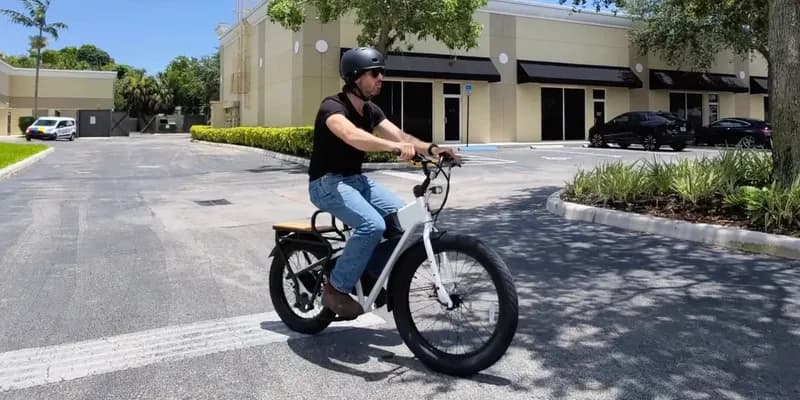
The transportation industry is witnessing a significant shift driven by the rise of micromobility. From electric bikes and scooters to mopeds and self-balancing devices, these innovations have fundamentally altered how people navigate urban environments.

The Categorization Challenge

Despite the diversity of these new vehicles, a growing debate highlights a flaw in how we classify them. Traditional definitions often rely on physical characteristics—such as whether a vehicle has pedals—rather than its actual performance and role in the transportation ecosystem.

Shifting the Focus to Utility

Industry observers suggest that the rigid insistence on traditional designs, like requiring pedals on all e-bikes, may be limiting the potential of micromobility. By shifting the focus from what these vehicles look like to what they actually do, cities and regulators can better integrate these tools into modern infrastructure, ensuring they meet the diverse needs of urban commuters.

Related Stories

Semantically matched articles, ranked by topic overlap and freshness.

Waymo's Austin Robotaxi Fleet Faces Significant Fines Over Parking Violations
Electric Vehicles63%

Waymo's Austin Robotaxi Fleet Faces Significant Fines Over Parking Violations

Waymo’s self-driving taxis in Austin are reportedly struggling with local parking regulations, leading to thousands of dollars in penalties.

NHTSA Rejects Tesla Door Release Investigation, Proposes Industry-Wide Safety Updates
Electric Vehicles62%

NHTSA Rejects Tesla Door Release Investigation, Proposes Industry-Wide Safety Updates

Federal regulators have denied a petition for a defect investigation into Tesla Model 3 door releases but will initiate new safety standards for all vehicles.

Massachusetts to Launch Program Paying EV Owners for Grid Support
Electric Vehicles62%

Massachusetts to Launch Program Paying EV Owners for Grid Support

A new initiative in Massachusetts will allow electric vehicle owners to earn incentives by discharging battery power back into the grid during peak demand.

Schwarz Group Reintroduces Combustion Engines for German Fleet
Electric Vehicles62%

Schwarz Group Reintroduces Combustion Engines for German Fleet

The parent company of Lidl and Kaufland is temporarily halting electric vehicle orders for its corporate fleet in Germany due to concerns over residual values.

Australia Invests AU$30 Million in Smart Grid and Electromobility Projects
Electric Vehicles61%

Australia Invests AU$30 Million in Smart Grid and Electromobility Projects

The Australian government is funding 14 innovative projects to modernize the national electricity network through smart charging and vehicle-to-grid technologies.

Discrepancies Emerge in Rivian R2 EPA Efficiency vs. Real-World Performance
Electric Vehicles60%

Discrepancies Emerge in Rivian R2 EPA Efficiency vs. Real-World Performance

While the Rivian R2 and Tesla Model Y share identical EPA efficiency ratings, initial real-world testing suggests a gap in actual energy consumption.

BMW Expands U.S. Footprint with Localized iX5 Battery Production
Electric Vehicles60%

BMW Expands U.S. Footprint with Localized iX5 Battery Production

BMW reaffirms its commitment to electrification by establishing domestic battery manufacturing for the upcoming iX5 in the United States.

Shift in Climate Strategy: Why Ending Fossil Fuel Consumption Outweighs Production Limits
Science59%

Shift in Climate Strategy: Why Ending Fossil Fuel Consumption Outweighs Production Limits

While UK government plans for new North Sea drilling have sparked outrage among activists, experts argue that targeting global demand is more critical for the climate than restricting local supply.