E-BUZZ ME Logo
Electric VehiclesTechnical Deep Dive

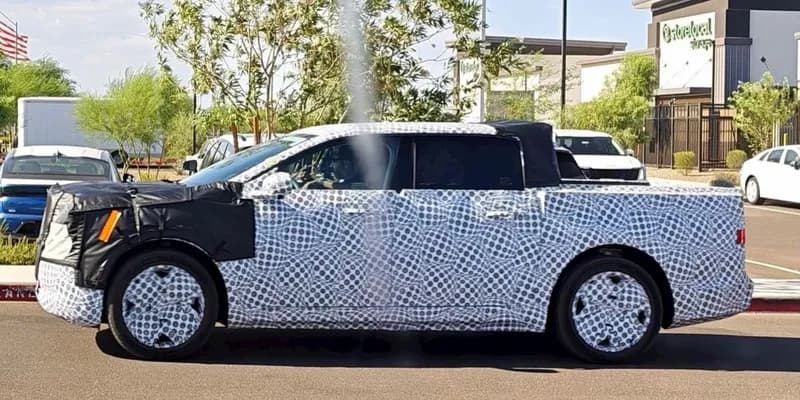
Ford’s Upcoming $30,000 Electric Pickup to Feature Integrated Apple Maps with EV Routing

Published
Ford’s Upcoming $30,000 Electric Pickup to Feature Integrated Apple Maps with EV Routing
1 min read164 words

The Gist

Ford is enhancing the driver experience for its next-generation affordable electric pickup by deeply integrating Apple Maps into the vehicle's ecosystem.

Ford is doubling down on software integration for its upcoming affordable electric pickup truck, expected to start at approximately $30,000. The automaker has confirmed that its next-generation electric vehicles will feature Apple Maps built directly into the system, moving beyond basic screen mirroring to a more native experience.

Advanced EV Routing Capabilities

The primary benefit of this integration is the inclusion of specialized EV routing. Unlike standard navigation, this system communicates with the vehicle to monitor battery levels and energy consumption in real-time. Drivers will receive turn-by-turn directions that automatically include optimized charging stops along their route, reducing range anxiety for new EV owners.

A Focus on Seamless Software

By embedding Apple Maps, Ford aims to provide a familiar and polished interface for its users. The system will offer comprehensive navigation features that leverage Apple's ecosystem while remaining deeply connected to the truck's hardware. This move signals Ford's strategy to compete in the mass-market EV space by combining competitive pricing with top-tier digital services.

Related Stories

Semantically matched articles, ranked by topic overlap and freshness.

Massachusetts to Launch Program Paying EV Owners for Grid Support
Electric Vehicles69%

Massachusetts to Launch Program Paying EV Owners for Grid Support

A new initiative in Massachusetts will allow electric vehicle owners to earn incentives by discharging battery power back into the grid during peak demand.

Australia Invests AU$30 Million in Smart Grid and Electromobility Projects
Electric Vehicles66%

Australia Invests AU$30 Million in Smart Grid and Electromobility Projects

The Australian government is funding 14 innovative projects to modernize the national electricity network through smart charging and vehicle-to-grid technologies.

Hyundai and Kia Unveil AllDayEnergy Brand for Smart and Bidirectional Charging
Electric Vehicles65%

Hyundai and Kia Unveil AllDayEnergy Brand for Smart and Bidirectional Charging

Hyundai Motor Group has launched AllDayEnergy, a new unified brand dedicated to smart charging and vehicle-to-everything (V2X) technologies.

BMW Expands U.S. Footprint with Localized iX5 Battery Production
Electric Vehicles64%

BMW Expands U.S. Footprint with Localized iX5 Battery Production

BMW reaffirms its commitment to electrification by establishing domestic battery manufacturing for the upcoming iX5 in the United States.

Huawei Unveils Integrated Solar-Storage-Charging Solution for European EV Fleets
Electric Vehicles64%

Huawei Unveils Integrated Solar-Storage-Charging Solution for European EV Fleets

Huawei’s FusionCharge system integrates PV, energy storage, and EV charging to streamline infrastructure for commercial vehicle electrification.

Amazon Seeks FCC Approval for Satellite-to-Phone Service
Tech & Gadgets64%

Amazon Seeks FCC Approval for Satellite-to-Phone Service

Amazon has filed a request with the FCC to launch a 5,000-satellite constellation designed to provide direct-to-device mobile connectivity from space.

Volkswagen Launches Entry-Level ID. Polo Starting at €24,995
Electric Vehicles63%

Volkswagen Launches Entry-Level ID. Polo Starting at €24,995

Volkswagen has officially opened configurations for the base model of the electric ID. Polo, bringing the entry price point down to €24,995.

Discrepancies Emerge in Rivian R2 EPA Efficiency vs. Real-World Performance
Electric Vehicles63%

Discrepancies Emerge in Rivian R2 EPA Efficiency vs. Real-World Performance

While the Rivian R2 and Tesla Model Y share identical EPA efficiency ratings, initial real-world testing suggests a gap in actual energy consumption.