E-BUZZ ME Logo
ScienceTechnical Deep Dive

Psilocybin Dose May Rewire Brain Connectivity for Weeks

Published
Psilocybin Dose May Rewire Brain Connectivity for Weeks
1 min read169 words

The Gist

New research indicates that a single dose of magic mushrooms can reshape brain activity and structure for up to a month, potentially breaking entrenched thinking patterns.

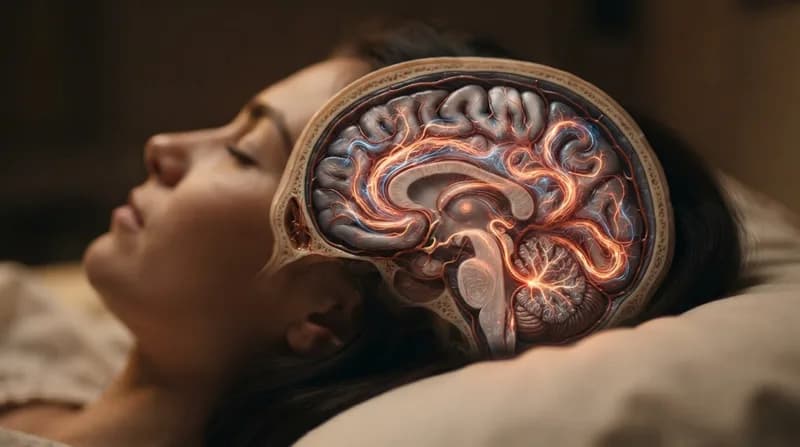
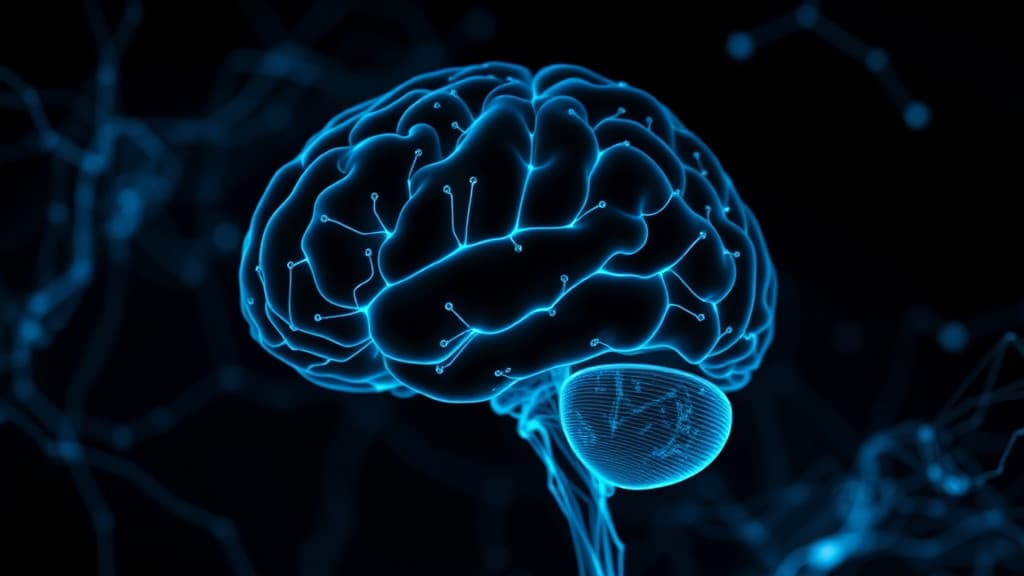
A recent study has revealed that a single administration of psilocybin, the active compound in magic mushrooms, produces significant and lasting changes in brain connectivity. These measurable shifts in brain activity and possible structural alterations were observed to persist for up to 30 days following the initial experience.

Breaking Cognitive Patterns

The research suggests that the psychedelic experience helps individuals break free from rigid, entrenched patterns of thought. Participants in the study who exhibited the most significant increases in flexible and varied brain activity also reported higher levels of personal insight. This cognitive flexibility appears to be a key driver in the long-term mental health benefits associated with the substance.

Link to Well-being

Beyond immediate neurological changes, the study found a direct correlation between brain plasticity and emotional outcomes. Those who experienced the most profound shifts in neural communication reported sustained improvements in their general well-being weeks later. The findings provide a scientific basis for how psychedelics might serve as a catalyst for lasting psychological growth and therapeutic breakthroughs.


Related Stories

Semantically matched articles, ranked by topic overlap and freshness.

Mapping the Mind: Two Neural Pathways Explain Habit Formation
Science70%

Mapping the Mind: Two Neural Pathways Explain Habit Formation

New research identifies the specific brain mechanisms that transition deliberate actions into automatic routines, explaining why some habits feel harder to break than others.

Working Memory Rapidly Re-Prioritizes After Distractions, New Study Reveals
Science68%

Working Memory Rapidly Re-Prioritizes After Distractions, New Study Reveals

A new study highlights the brain's remarkable ability to swiftly update working memory priorities to maintain focus on immediate tasks despite frequent interruptions.

Innovative Treadmill Therapy Shows Promise for PTSD Recovery
Science67%

Innovative Treadmill Therapy Shows Promise for PTSD Recovery

Researchers at the University of Alberta have found that combining physical motion with memory confrontation significantly improves PTSD treatment outcomes.

The Impact of Ultra-Processed Foods on Long-Term Brain Health
Science67%

The Impact of Ultra-Processed Foods on Long-Term Brain Health

New research highlights a concerning link between ultra-processed diets and increased risks of depression, anxiety, and dementia.

Ancient 500,000-Year-Old Elephant Bone Hammer Rewrites Early Human Toolmaking History
Science62%

Ancient 500,000-Year-Old Elephant Bone Hammer Rewrites Early Human Toolmaking History

A rare discovery in England reveals that ancient humans crafted reusable hammers from elephant bone to sharpen stone tools nearly half a million years ago.

Early Childhood Infections Linked to the Sibling Earnings Gap
Science60%

Early Childhood Infections Linked to the Sibling Earnings Gap

New research suggests that the lower average earnings of younger siblings may be driven by exposure to respiratory infections brought home by their older brothers and sisters.

Innovative Eye Implant and High-Tech Glasses Approved to Combat Vision Loss
Science60%

Innovative Eye Implant and High-Tech Glasses Approved to Combat Vision Loss

A breakthrough eye implant and smart glasses system has received European regulatory approval, offering hope to those suffering from severe age-related vision loss.

Burnout Crisis: One in Ten Emergency Physicians Leaving the Specialty in Canada
Science59%

Burnout Crisis: One in Ten Emergency Physicians Leaving the Specialty in Canada

A new study reveals a growing healthcare crisis in Canada, with burnout driving 10% of emergency doctors to exit the field or significantly cut clinical hours.