Challenging Long-Held Assumptions in Cancer Screening
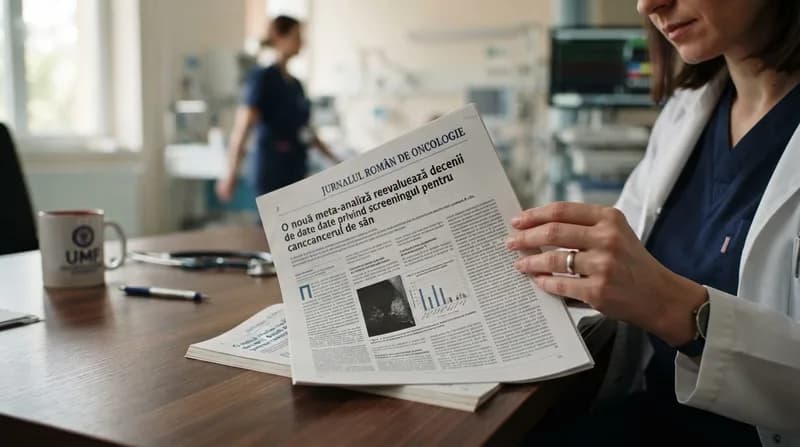
For years, the medical community and the public have grappled with the concept of overdiagnosis in breast cancer screening—the detection of tumors that would never have caused symptoms or threatened a patient’s life. Established estimates have historically suggested that between 30% and 50% of screen-detected cancers might fall into this category. However, a significant new meta-analysis published in the Journal of the National Cancer Institute suggests these figures may have been drastically inflated, placing the true overdiagnosis rate at less than 5%.
Led by researchers from the University of Southern Denmark and involving an international team of experts, the study revisited eight major randomized controlled trials of mammography. By meticulously accounting for factors such as screening frequency, follow-up duration, and the crossover effect where control groups eventually underwent screening, the researchers successfully separated 'signal from noise.' Their findings indicate that the alarmingly high rates of overdiagnosis cited in previous decades were largely a product of immature data and a failure to account for shifting diagnostic timelines.
The Methodology: Adjusting for Temporal Context
The research team utilized data from Denmark’s diverse regional screening programs as a real-world reference point. Because organized screening was introduced at different times across Danish regions, the researchers were able to observe how breast cancer incidence rates shifted longitudinally. This allowed them to distinguish between genuine overdiagnosis and the natural 'lead time' effect—where screening simply identifies a cancer earlier than it would have been found clinically.
A primary criticism in the new paper is that many previous studies ended their observations before the inevitable drop in late-stage diagnoses could occur in the control groups. When the new analysis applied a rigorous, uniform framework to all eight historical randomized trials, the statistical patterns shifted dramatically. The data aligned closely with the lower, more optimistic findings seen in modern epidemiological tracking, reinforcing the idea that the life-saving benefits of early detection are far less compromised by overdiagnosis than previously feared.
Why it Matters
- Informed Decision Making: The research provides a clearer, more accurate evidence base for clinicians to use when discussing screening programs with patients.
- Policy Refinement: High reported rates of overdiagnosis have historically fueled global debates about the efficacy of mammography; these new findings suggest current guidelines may be more robust than proponents of the 'screening is harmful' narrative have claimed.
- Reducing Misconception: By clarifying the difference between 'lead time' and 'overdiagnosis,' this study helps reconcile conflicting historical data and provides a more optimistic outlook on the long-term effectiveness of population-based screening programs.
Outlook and Implications
The implications of this study are profound for women’s health policy. By demonstrating that overdiagnosis is not the systemic issue many once believed it to be, the researchers hope to reduce unnecessary public anxiety regarding screening participation. While regular screening is not without its limitations, the study concludes that the objective, documented success of early detection in reducing mortality remains the dominant outcome. Moving forward, the research team advocates for a more nuanced interpretation of clinical data that fully accounts for the complex temporal nature of cancer detection, ensuring that future health communications are grounded in the most accurate statistical reality available.