E-BUZZ ME Logo
ScienceTechnical Deep Dive

Fecal Microbe Transplantation Shows Promise in Treating Chronic Insomnia

Published
Fecal Microbe Transplantation Shows Promise in Treating Chronic Insomnia
1 min read163 words

The Gist

A new clinical trial suggests that fecal microbe capsules from healthy donors may significantly improve sleep quality for those suffering from chronic insomnia.

New research published in the Journal of Internal Medicine has uncovered a potential breakthrough in the treatment of chronic sleep disorders. In a randomized clinical trial, researchers found that fecal microbe transplantation (FMT) could alleviate symptoms for individuals struggling with persistent insomnia.

The Role of the Gut-Brain Axis

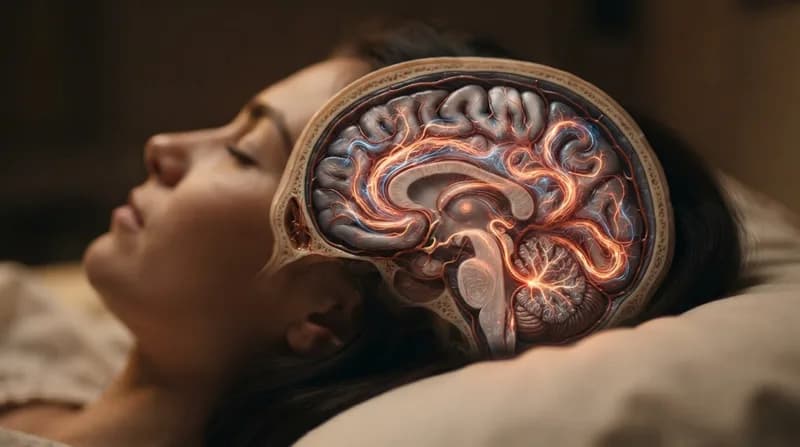
The study involved participants ingesting capsules containing fecal microbes harvested from healthy donors. This approach targets the gut-brain axis, a complex communication network linking the gastrointestinal tract and the central nervous system. The results indicate that rebalancing the gut microbiome can have a direct, positive impact on sleep patterns.

Clinical Findings

While the concept of FMT is already established for treating certain digestive infections, its application in sleep science is relatively new. The trial demonstrated that the intervention helped reduce the severity of insomnia symptoms, offering a biological alternative to traditional sedative medications or cognitive behavioral therapy. Further research is expected to determine the long-term efficacy and the specific microbial strains responsible for these improvements.

Related Stories

Semantically matched articles, ranked by topic overlap and freshness.

Innovative Treadmill Therapy Shows Promise for PTSD Recovery
Science65%

Innovative Treadmill Therapy Shows Promise for PTSD Recovery

Researchers at the University of Alberta have found that combining physical motion with memory confrontation significantly improves PTSD treatment outcomes.

The Impact of Ultra-Processed Foods on Long-Term Brain Health
Science64%

The Impact of Ultra-Processed Foods on Long-Term Brain Health

New research highlights a concerning link between ultra-processed diets and increased risks of depression, anxiety, and dementia.

Innovative Eye Implant and High-Tech Glasses Approved to Combat Vision Loss
Science63%

Innovative Eye Implant and High-Tech Glasses Approved to Combat Vision Loss

A breakthrough eye implant and smart glasses system has received European regulatory approval, offering hope to those suffering from severe age-related vision loss.

Chinese University Probes Alleged Death in Gene-Editing Trial
Science61%

Chinese University Probes Alleged Death in Gene-Editing Trial

A Chinese university is investigating reports that a 6-year-old girl died during a gene-editing trial, an incident allegedly omitted from published research.

Early Childhood Infections Linked to the Sibling Earnings Gap
Science61%

Early Childhood Infections Linked to the Sibling Earnings Gap

New research suggests that the lower average earnings of younger siblings may be driven by exposure to respiratory infections brought home by their older brothers and sisters.

Working Memory Rapidly Re-Prioritizes After Distractions, New Study Reveals
Science60%

Working Memory Rapidly Re-Prioritizes After Distractions, New Study Reveals

A new study highlights the brain's remarkable ability to swiftly update working memory priorities to maintain focus on immediate tasks despite frequent interruptions.

Sparkling Water vs. Soda: New Study Evaluates Impact on Dental Health
Science60%

Sparkling Water vs. Soda: New Study Evaluates Impact on Dental Health

A recent study suggests that unsweetened sparkling water is a significantly safer choice for dental health compared to sugar-sweetened carbonated beverages.

Young Adults Struggle with Healthcare Independence, New Poll Finds
Science60%

Young Adults Struggle with Healthcare Independence, New Poll Finds

A University of Michigan poll reveals that many young adults aged 18–25 lack the basic skills necessary to manage their own medical needs without parental assistance.