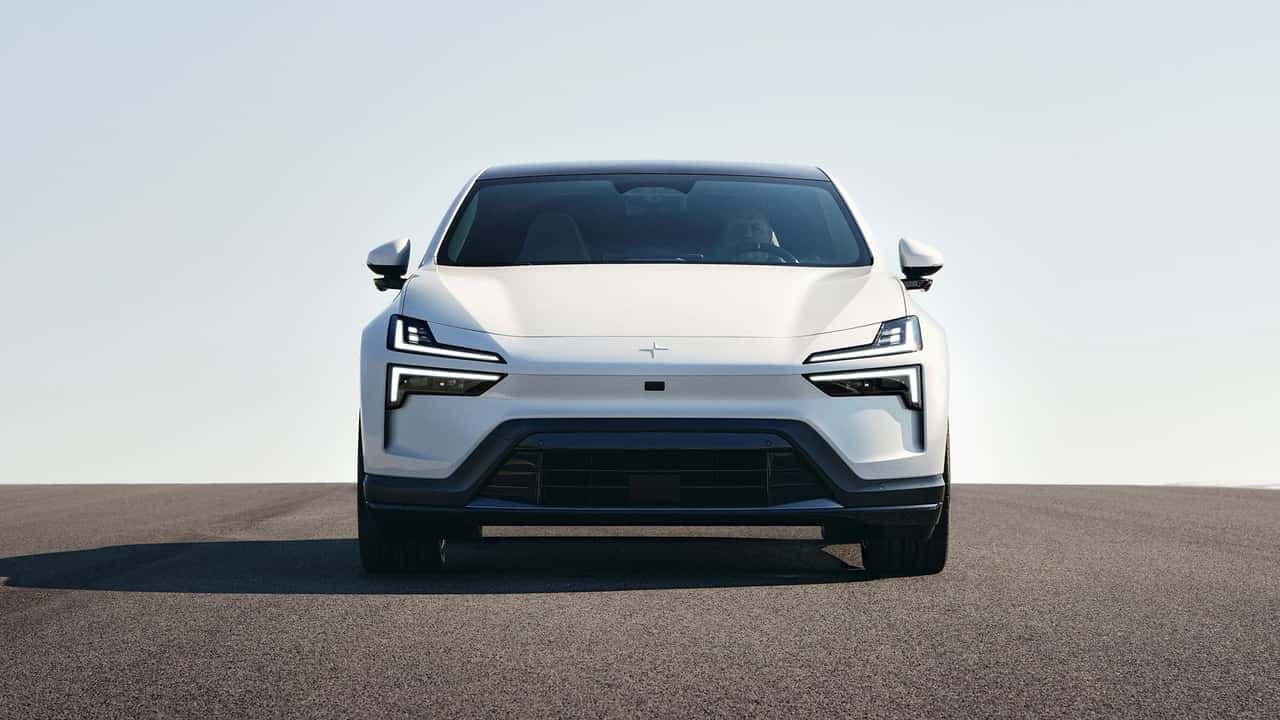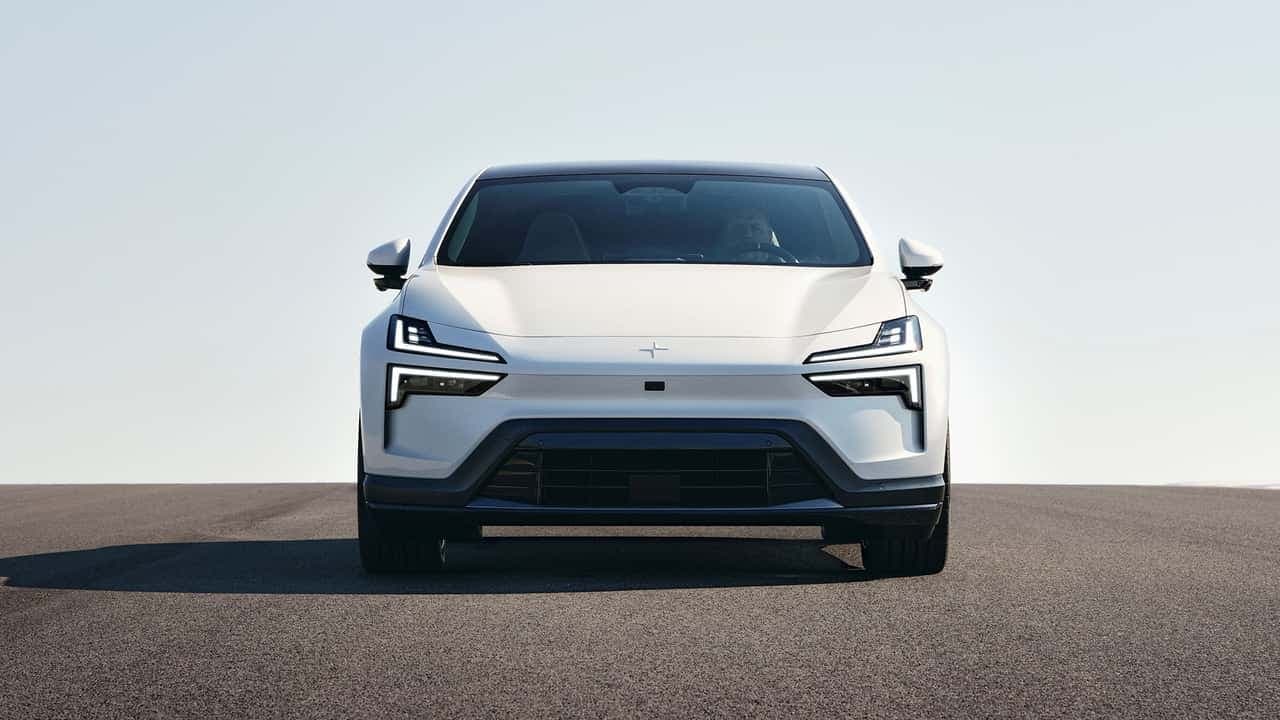
Polestar has found itself at the center of controversy after the U.S. Department of Commerce denied the automaker authorization to sell cars in the U.S. for the model year 2027 onward. In a recent communication to dealers, Polestar expressed its bewilderment at the lack of explanation behind this decision.
The automaker, owned by China's Geely Group, claims that its Polestar 3 electric SUV shares the same mechanical design and software stack as the Volvo EX90, which received authorization to continue selling in the U.S. market. Both vehicles are manufactured at the Volvo Cars plant in Ridgeville, South Carolina, further highlighting the inconsistencies in the U.S. government's stance.
According to Peter Wexler, Polestar’s U.S. head of government affairs, the company is actively seeking answers from the Commerce Department regarding the rationale for its rejection. The communication referenced the Connected Vehicle rule, initiated under the Biden administration, aimed at addressing national security concerns linked to vehicles utilizing hardware or software from foreign adversaries like China and Russia.
Wexler pointed out that the Volvo EX90 functions using the same software as the Polestar 3, leading to questions about why Polestar faced a different fate.
Further complicating matters, a New Jersey dealer has filed a lawsuit against Polestar, accusing the brand of planning its exit from the U.S. market for two years and using the government's ruling as a facade. The dealer, Prestige Imports, alleges a violation of New Jersey’s Franchise Practices Act, which prohibits automakers from terminating a franchise without sufficient notice and cause.
In a statement, Sweden's Minister for Foreign Trade, Benjamin Dousa, noted that Volvo successfully worked with the government to meet requirements for the Connected Vehicle Rule, while Polestar did not seek similar assistance.
With no plans to appeal the ban, Polestar is shifting its focus toward the European market, which constitutes 80% of its global sales. To ease the transition, the automaker is offering significant discounts on its vehicles, including a $25,000 reduction on the Polestar 4 coupe and Polestar 3 SUV, as it winds down operations in the U.S.
This unusual strategy has sparked discussion among consumers and dealers alike. While Polestar faces an uncertain future in the U.S., the aggressive discounts may attract bargain hunters looking for electric vehicles before the brand exits the market entirely.