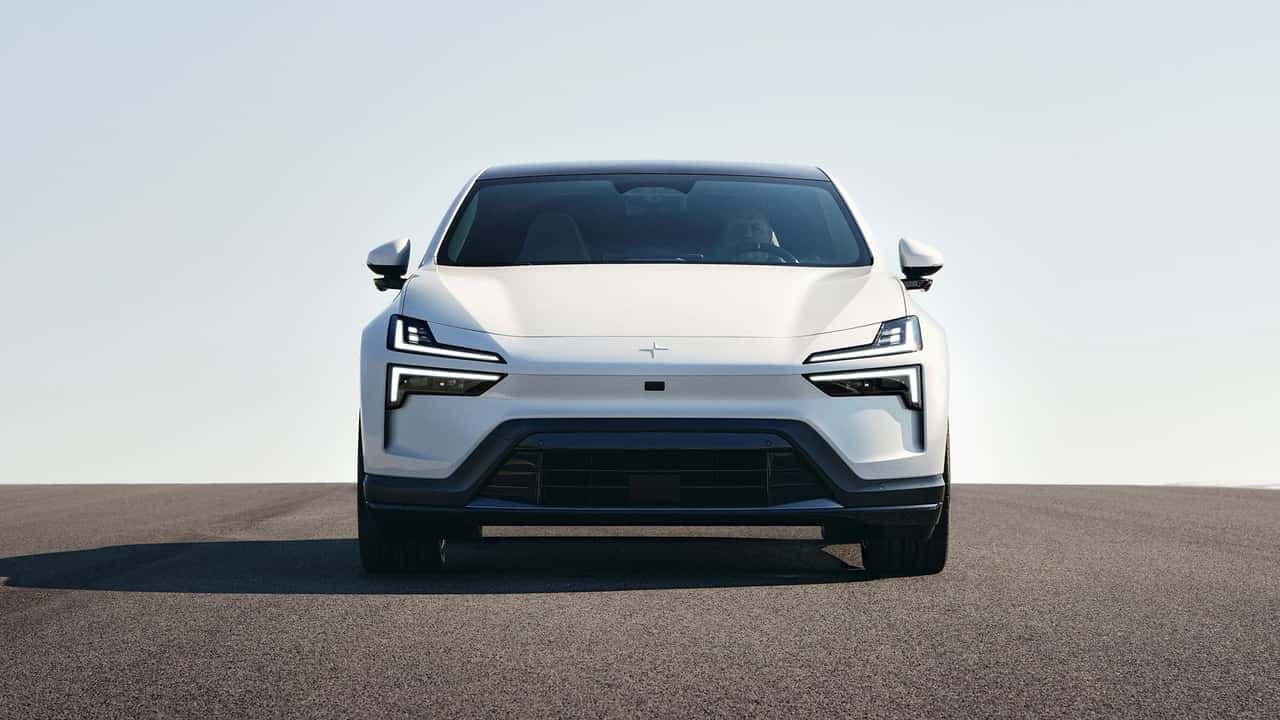
Polestar, the Swedish electric vehicle manufacturer, has hit a major setback in the U.S. market. The U.S. Department of Commerce has issued a ban, preventing Polestar from selling cars in the United States starting from model year 2027. The ban is reportedly tied to national security concerns related to foreign technology, although Polestar has not received a clear explanation regarding the specifics.
Despite the ban, Polestar remains committed to its European market strategy. To adjust to the coming changes, the company is offering steep discounts of up to $25,000 on models like the Polestar 4 and Polestar 3. These significant price cuts aim to attract buyers in Europe while preparing for the exit from the U.S. market.
Key Points
- The U.S. Department of Commerce has barred Polestar from selling cars in the U.S. from model year 2027 onward, citing potential national security risks linked to foreign technology.
- Polestar's U.S. head of government affairs stated the company has not received an explanation for the ban, highlighting similarities between the Polestar 3 and Volvo's EX90, which was authorized for sale.
- The Connected Vehicle rule, finalized by the Biden administration, prohibits vehicles with technology related to foreign adversaries from being sold in the U.S.
- In response to the sales ban, Polestar is cutting prices by $25,000 across various models, focusing on maximizing profits in European markets.
- Sweden's Minister for Foreign Trade mentioned that Polestar did not seek support to comply with the Connected Vehicle rule, unlike its corporate sibling Volvo, which led to its exclusion from the U.S. market.
This ban and the resulting price cuts raise questions about Polestar's long-term strategy and positioning within the EV market. The company's pivot to Europe might become necessary as it navigates these challenges.