The Shifting Economics of AI Infrastructure
As the race for artificial intelligence supremacy continues, the financial architecture supporting it is undergoing a subtle, yet significant, transformation. According to analysts at Pacific Investment Management Co. (Pimco), we are witnessing a divergence in credit spreads between AI data center infrastructure and traditional technology sector debt.
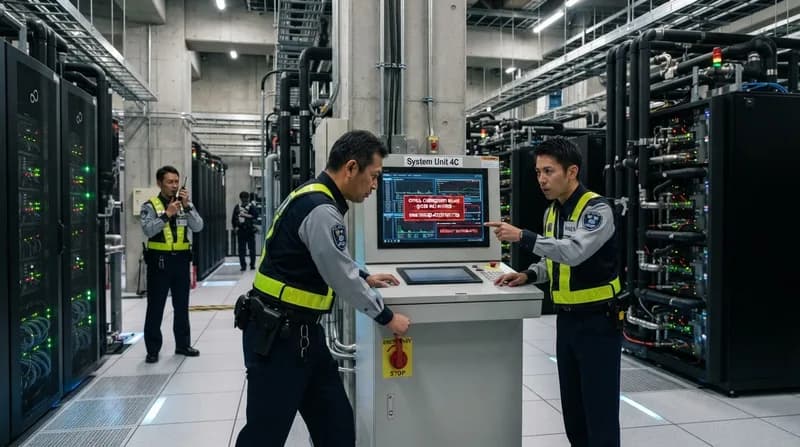
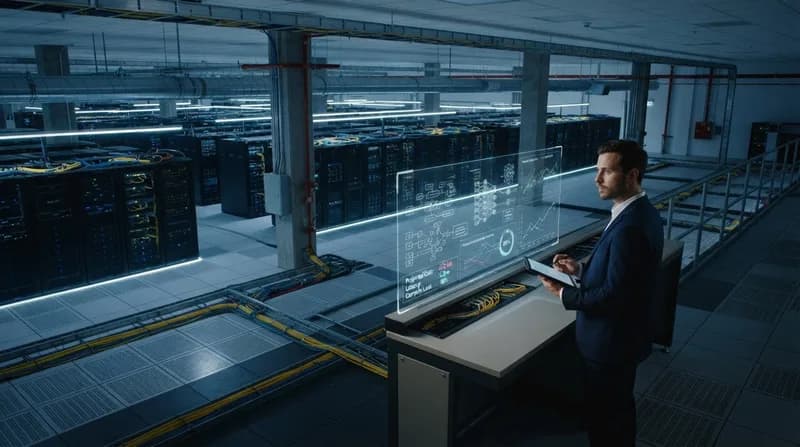
The central driver of this trend is the cooling rate of physical infrastructure construction. While the demand for computing power shows no sign of slowing, the sheer logistical hurdles involved in building hyperscale data centers—ranging from site acquisition to securing massive power grid access—have acted as a natural brake on new supply. This scarcity of new physical assets, combined with long-term, high-value lease agreements from tech giants, is making data center-backed bonds increasingly attractive to investors.
Why It Matters
- Asset Scarcity: Construction bottlenecks are limiting the volume of new data center debt entering the market, supporting existing bond prices.
- Reliability: Unlike the volatile hardware cycle of tech firms, data centers offer predictable, utility-like income streams.
- Credit Divergence: Investors are beginning to view the physical infrastructure as a more stable "fortress" asset compared to the broader, often more speculative, debt issued by the tech companies themselves.
Ultimately, this realignment suggests that the capital markets are starting to treat the physical backbone of the AI boom as a distinct asset class. As power constraints and regulatory hurdles continue to limit the pace at which new facilities can come online, the existing inventory of high-capacity data centers is likely to remain in high demand. For investors, the takeaway is clear: the physical real estate powering the AI revolution is rapidly proving to be a safer bet than the companies currently renting the space.