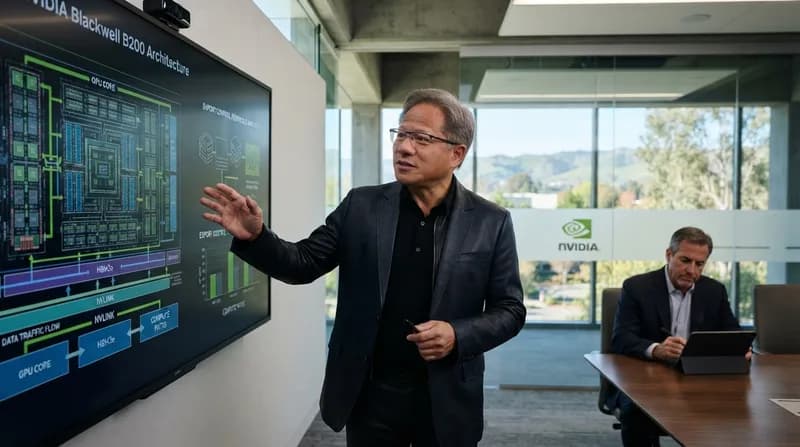
The Corporate Crisis
Nvidia, the undisputed titan of the semiconductor industry and the primary engine behind the global artificial intelligence boom, is facing an unprecedented internal crisis. Recent reports detailing allegations of misconduct involving CEO Jensen Huang have sent shockwaves through the tech sector, shifting focus from the company’s quarterly earnings and chip development cycles to its fundamental governance structure and executive integrity.
National Security Implications
While executive scandals are typically viewed through the lens of shareholder value and boardroom reshuffling, the implications for Nvidia are far more profound. Richard Haass, Senior Counselor at Centerview Partners, has characterized the situation as a matter of significant national security. Because Nvidia serves as the bedrock of the AI infrastructure powering both Western research labs and sensitive defense initiatives, any destabilization within the company threatens to disrupt the supply chain of critical hardware.
Why It Matters
- Strategic Dominance: Nvidia’s hardware is essential for maintaining a competitive edge in global AI development.
- Counter-Intelligence Risks: The inclusion of potential security breaches involving foreign entities raises alarms about the vulnerability of intellectual property and proprietary chip architecture.
- Systemic Fragility: Because the tech ecosystem is so heavily reliant on Nvidia’s GPUs, a leadership vacuum could ripple across the entire software and AI industry.
As investigators and corporate watchdogs scrutinize these developments, the consensus is clear: Nvidia is no longer just another Silicon Valley entity. It has become a strategic asset whose internal stability is now inextricably linked to geopolitical interests. The coming weeks will be critical as the company attempts to reassure both the public and its stakeholders that its core operations remain secure amid a period of intense institutional pressure and external scrutiny.