E-BUZZ ME Logo
ScienceTechnical Deep Dive

Neurostimulation Restores Long-Term Sensation in Paralyzed Hands

Published
Neurostimulation Restores Long-Term Sensation in Paralyzed Hands
1 min read142 words

The Gist

A breakthrough in neural implants has allowed a paralyzed patient to regain feeling and movement that persists even after the device is deactivated.

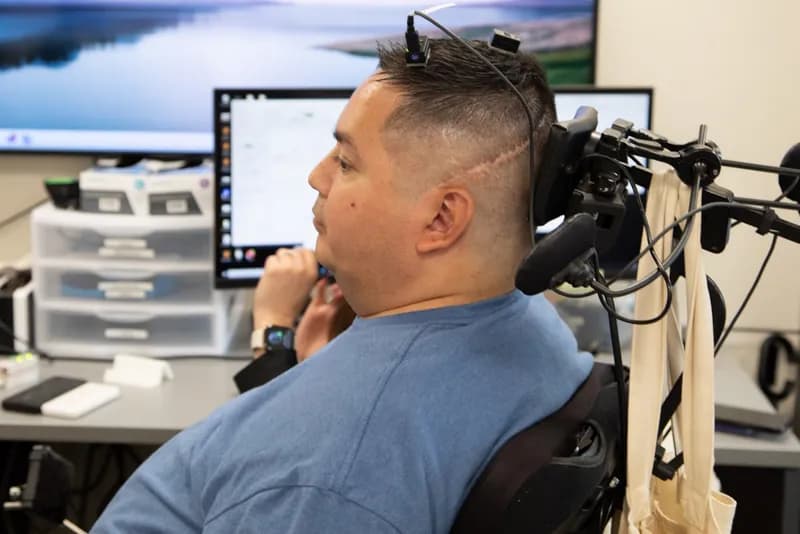
Medical researchers have achieved a significant milestone in neurorehabilitation, helping a 48-year-old paralyzed man regain sensation and motor control in his hands through innovative brain stimulation technology. Keith Thomas, who lives with paralysis, participated in a study involving neurostimulation implants that bridge the gap between the brain and the body.

Lasting Impact Beyond Stimulation

The most remarkable aspect of this trial is the longevity of the results. Unlike previous experiments where benefits typically cease once the device is powered down, Thomas maintained some level of feeling and movement even when the stimulation was turned off. This suggests that the technology may be fostering neural plasticity, potentially helping the brain and spinal cord reorganize or strengthen existing pathways.

This development offers new hope for individuals with spinal cord injuries, moving beyond temporary assistance toward a possible path for long-term recovery of lost functions.


Related Stories

Semantically matched articles, ranked by topic overlap and freshness.

Innovative Eye Implant and High-Tech Glasses Approved to Combat Vision Loss
Science69%

Innovative Eye Implant and High-Tech Glasses Approved to Combat Vision Loss

A breakthrough eye implant and smart glasses system has received European regulatory approval, offering hope to those suffering from severe age-related vision loss.

The Impact of Ultra-Processed Foods on Long-Term Brain Health
Science66%

The Impact of Ultra-Processed Foods on Long-Term Brain Health

New research highlights a concerning link between ultra-processed diets and increased risks of depression, anxiety, and dementia.

Innovative Treadmill Therapy Shows Promise for PTSD Recovery
Science65%

Innovative Treadmill Therapy Shows Promise for PTSD Recovery

Researchers at the University of Alberta have found that combining physical motion with memory confrontation significantly improves PTSD treatment outcomes.

Mapping the Mind: Two Neural Pathways Explain Habit Formation
Science65%

Mapping the Mind: Two Neural Pathways Explain Habit Formation

New research identifies the specific brain mechanisms that transition deliberate actions into automatic routines, explaining why some habits feel harder to break than others.

Working Memory Rapidly Re-Prioritizes After Distractions, New Study Reveals
Science64%

Working Memory Rapidly Re-Prioritizes After Distractions, New Study Reveals

A new study highlights the brain's remarkable ability to swiftly update working memory priorities to maintain focus on immediate tasks despite frequent interruptions.

NVIDIA Cosmos-H-Dreams: Real-Time Generative Simulation for Surgical Robotics
Artificial Intelligence60%

NVIDIA Cosmos-H-Dreams: Real-Time Generative Simulation for Surgical Robotics

NVIDIA's new Cosmos-H-Dreams framework leverages generative AI to create high-fidelity, real-time simulations for training advanced surgical robots.

Ancient 500,000-Year-Old Elephant Bone Hammer Rewrites Early Human Toolmaking History
Science60%

Ancient 500,000-Year-Old Elephant Bone Hammer Rewrites Early Human Toolmaking History

A rare discovery in England reveals that ancient humans crafted reusable hammers from elephant bone to sharpen stone tools nearly half a million years ago.

Chinese University Probes Alleged Death in Gene-Editing Trial
Science60%

Chinese University Probes Alleged Death in Gene-Editing Trial

A Chinese university is investigating reports that a 6-year-old girl died during a gene-editing trial, an incident allegedly omitted from published research.