Targeting the Cancer Power Plant
In a significant step forward for oncological research, scientists at Wroclaw Medical University have completed a comparative study of five natural compounds to determine their efficacy in inhibiting cancer cell growth. The researchers focused specifically on fibrosarcoma cells, investigating how substances like curcumin, berberine, biochanin A, cucurbitacin E, and caffeic acid phenethyl ester (CAPE) impact cellular energy metabolism and division.
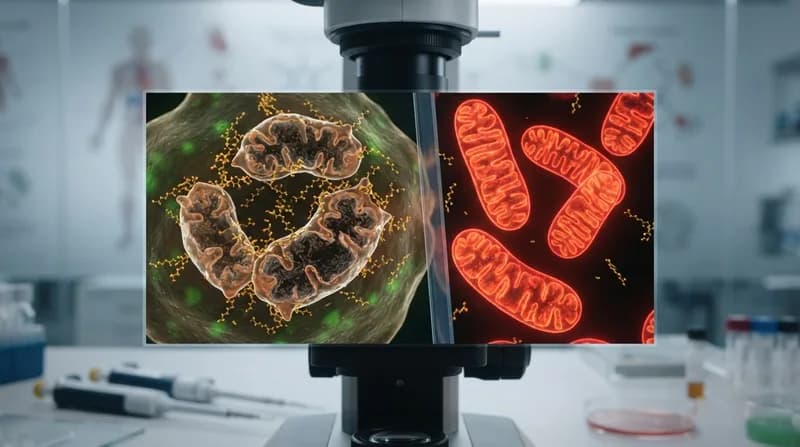
The study, published in October 2026, highlights a critical vulnerability in cancer cells: their reliance on high-energy output to survive and proliferate. By targeting the mitochondria, the cellular power plants, the research team found that all five compounds could successfully disrupt energy production. However, the degree to which these compounds affected cancerous versus healthy muscle cells varied significantly, marking a vital distinction in the search for potential future therapeutic agents.
The Role of Curcumin and Metabolic Disruption
Among the substances tested, curcumin demonstrated the most promising balance of anti-cancer potency and patient safety. The researchers observed that these compounds, particularly curcumin, pushed cancer cells into a state of senescence—a biological 'dead end' where the cells remain alive but lose their ability to divide. While healthy cells showed a much more muted response to these metabolic stressors, the cancerous fibrosarcoma cells saw ATP levels plummet by up to 92%, effectively starving them of the fuel needed for aggressive expansion.
This selectivity is largely attributed to the manipulation of the NF-kB signaling pathway. While this pathway is essential for various biological functions, including inflammation and metabolism, its hyperactivity in cancer cells provides them with a survival advantage. The natural compounds acted as a metabolic burden that the cancer cells could not overcome, leading to an overwhelmed adaptive mechanism and eventual cellular arrest.
Why it Matters
- Metabolic Vulnerability: Cancer cells are uniquely sensitive to mitochondrial disruption compared to healthy muscle tissue.
- Selective Senescence: The research proves that natural compounds can force cancer cells into a non-dividing state at rates as high as 75%.
- Safety Profile: Not all natural substances are safe; biochanin A, for instance, showed significant toxicity, underscoring the need for rigorous, comparative drug development.
- Future Potential: While these findings are foundational, they provide a roadmap for developing compounds that selectively target tumors without the collateral damage of traditional chemotherapy.
From Laboratory to In Vivo Models
To move beyond simple cell cultures, the research team utilized greater wax moth (Galleria mellonella) larvae as an invertebrate model to assess systemic toxicity. This step proved crucial in separating the high-performers from the hazardous ones. Curcumin and berberine emerged as the most well-tolerated, whereas other promising candidates proved too toxic for an entire organism. This highlight reinforces a core tenet of modern pharmacology: a substance must not only be effective at destroying cancer cells but must also maintain a safety profile that the host organism can endure.
While this research is a breakthrough in understanding the potential of plant-derived compounds, the scientists caution that these are not treatments for humans yet. The next phases of study will require testing in advanced in vivo models, as well as developing precise delivery mechanisms to ensure these compounds reach their targets efficiently. The research sets a new standard for how we screen natural compounds, prioritizing metabolic selectivity as a key metric for drug discovery.