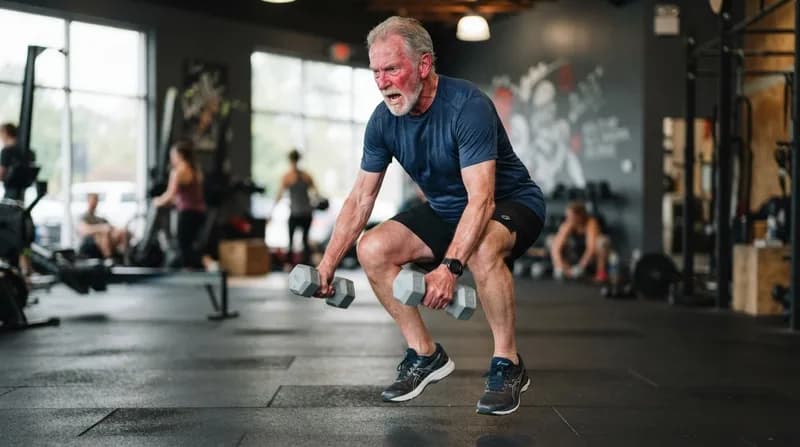
The Challenge of Aging and Body Composition
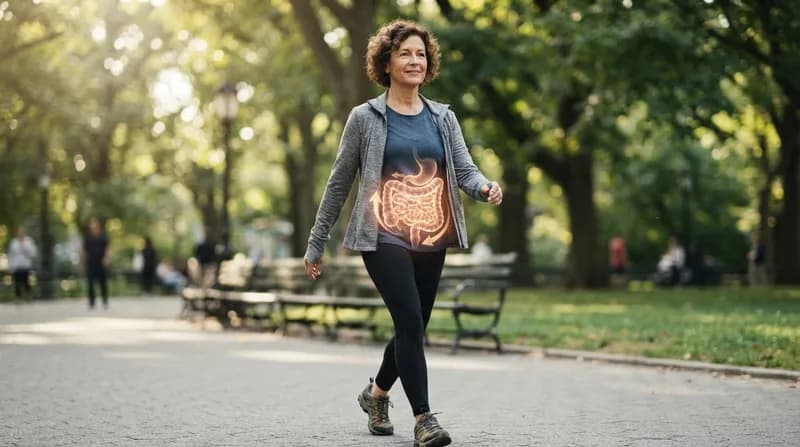
As the human body ages, the focus of physical fitness often shifts from raw performance to the maintenance of health and functional independence. One of the primary obstacles for adults over 65 is the loss of lean muscle mass, which can accelerate issues like sarcopenia and reduced mobility. While many individuals turn to exercise to manage body weight, new research from the University of the Sunshine Coast suggests that not all workouts are created equal when it comes to preserving the body’s essential building blocks.
A six-month clinical study involving 123 healthy older adults compared the effects of different exercise intensities on body composition. The results highlight a critical nuance: while various forms of exercise can help shed unwanted fat, they do not all treat lean muscle tissue with the same level of protection. The findings indicate that high-intensity interval training (HIIT) acts as a unique stimulus, helping to maintain muscle mass even as body fat percentages drop.
The Advantage of High-Intensity Intervals
The core of the study involved participants performing three supervised gym sessions per week for half a year. Researchers separated the volunteers into high-intensity, moderate-intensity, and low-intensity groups. All groups experienced some level of fat loss, which is typical for those increasing their physical activity levels. However, the divergence appeared in the measurements of lean tissue. While those in the moderate-intensity group saw a slight decline in lean mass, the HIIT group successfully maintained theirs.
Dr. Grace Rose, the lead author of the study, explained that the physiological demand of HIIT serves as a stronger signal to the body. By alternating between short bursts of intense effort—where breathing becomes labored—and easier recovery periods, the body is forced to adapt to a high-stress environment. This constant challenge encourages the body to preserve muscle tissue to handle the intensity of the workout, whereas lower or moderate intensity training may not provide the same imperative for muscle retention.
Beyond the Scale: Targeting Visceral Fat
Another promising finding from the research is the impact of HIIT on visceral adipose tissue. Unlike subcutaneous fat, which sits under the skin, visceral fat accumulates deep within the abdomen, surrounding vital organs like the liver and intestines. This type of fat is strongly linked to chronic metabolic issues, including cardiovascular disease and insulin resistance. The study observed that both high- and moderate-intensity training were effective at reducing this deep-seated fat.
The significance of this cannot be overstated. Relying solely on a bathroom scale to track health can be misleading, as a person might lose weight by sacrificing muscle, which is counterproductive for aging. Improving body composition—the specific ratio of fat to muscle—is a far more accurate metric for long-term health. By targeting visceral fat while safeguarding muscle, HIIT provides a dual benefit that supports metabolic health and physical strength simultaneously.
Context and Future Implications
While the potential benefits of HIIT for older adults are exciting, the researchers encourage a balanced perspective. Newer studies have shown that adding resistance training to a regimen can also be highly effective for preserving lean mass, suggesting that HIIT is one of many tools available for healthy aging. The broader consensus in sports science remains that a combination of aerobic conditioning, muscle strengthening, and balance work is the gold standard for seniors.
For those considering starting a high-intensity routine, the key is proper progression. Older adults, particularly those who have been inactive or possess pre-existing medical conditions, should seek professional guidance before diving into demanding interval programs. With the right approach and supervision, however, HIIT can evolve from a daunting concept into a sustainable, effective method for staying lean, strong, and active well into the later stages of life.