The Challenge of Sustaining Human Life on the Moon
As NASA and international space agencies sharpen their focus on establishing a permanent human presence on the lunar surface, the logistics of long-term life support have come to the forefront. Shipping food supplies from Earth is prohibitively expensive and logistically complex, making the prospect of on-site food production a vital necessity. Recent research from the College of Agricultural Sciences at Oregon State University (OSU) suggests that the solution might literally be beneath our feet—or at least, beneath the feet of future lunar pioneers.
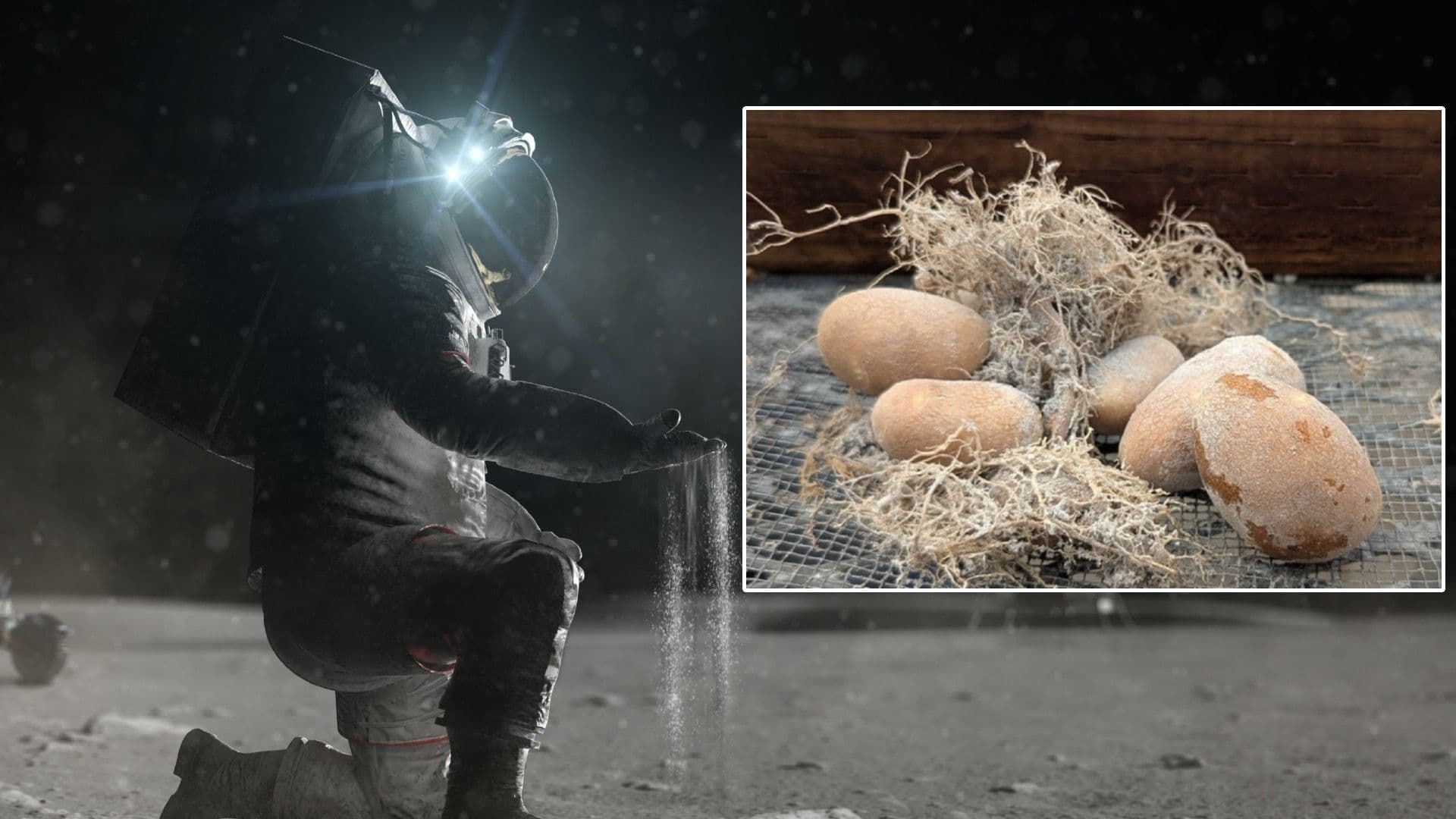
In a study published in the journal Microgravity, researchers detailed their success in growing potatoes within simulated lunar regolith. By recreating the harsh environment of the moon's surface, the team proved that with the right organic supplements, the lunar landscape could potentially support crop cycles essential for sustaining an astronaut crew.
The Methodology: Mixing Earth-Bound Nutrients with Lunar Dust
The research team utilized five different variants of simulated lunar regolith, carefully designed to mirror the unique mineralogical profiles of both lunar mare and highland regions. Because raw regolith lacks the nutrients required for plant development and contains potentially toxic compounds, the team introduced vermicompost—a nutrient-dense organic soil—as a key amendment. This process was critical to transforming the otherwise sterile, rock-crushed moon dust into a viable growing medium.
By experimenting with varying concentrations of this compost, the scientists determined that a 30 percent mix of vermicompost created a substrate that performed remarkably similarly to traditional Earth soil. This suggests that future missions may not need to haul thousands of pounds of greenhouse soil from Earth; instead, they could transport concentrated, lightweight organic additives to integrate with the abundant local lunar surface material, significantly reducing mission payload mass.
Why It Matters: Bridging the Gap to Permanent Lunar Bases
This study marks a significant step forward in space botany and life support architecture. The ability for a crop like the potato—a calorie-dense staple—to complete its entire life cycle in a lunar-simulated environment provides a blueprint for closed-loop agricultural systems on moon bases. Beyond simple nutrition, these systems also offer the secondary benefits of oxygen production and atmospheric recycling, which are paramount for the safety and psychological well-being of long-term lunar inhabitants.
The Role of Organic Mitigation
A fascinating finding from the OSU team involves the chemical interactions within the growth medium. According to the researchers, the organic compost served a dual purpose: it provided vital nutrients and acted as a chemical buffer. The compost helped to neutralize some of the natural toxicity found in the regolith, effectively shielding the plants from harmful compounds that would otherwise stunt growth or prevent germination entirely.
Implications for Future Colonization
The implications of this research extend far beyond a single potato harvest. As the scientific community looks toward more complex missions, the focus will now shift to scaling these agricultural systems within the constraints of lunar habitats. The goal is to move toward modular, automated greenhouses that can handle the extreme temperature fluctuations and radiation exposure of the lunar surface while relying on the resourcefulness of local materials. By turning the lunar crust into a functional resource, humanity is one step closer to making the dream of living on the moon a sustainable reality rather than a temporary expedition.