A Sophisticated Defense Mechanism
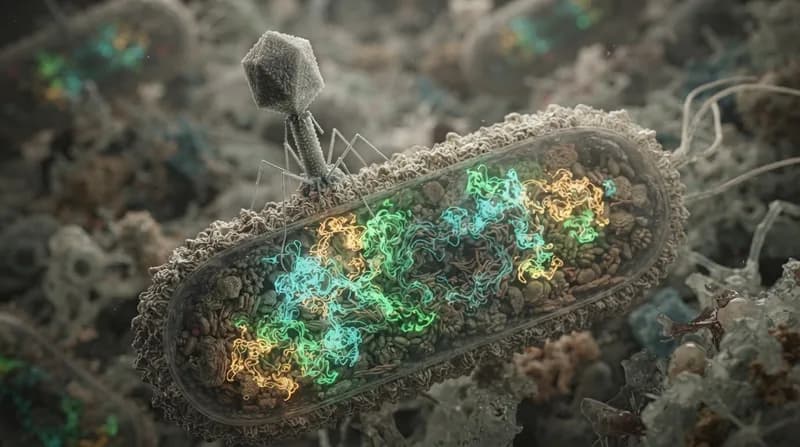
In the escalating arms race between microorganisms, bacteria have evolved a remarkably complex immune system to fend off viral invaders known as bacteriophages. While scientists have long studied these viruses for their potential as an alternative to antibiotics, the efficacy of phage therapy has often been stymied by the robust defensive measures bacteria employ to protect themselves. A recent study published in the journal Science has shed new light on one of these elusive defenses, revealing that bacteria have developed a way to turn a virus's own biological tools against it.
The research centers on an immune system pathway known as CBASS (Cyclic Oligonucleotide-Based Antiphage Signaling System). Researchers found that when a phage attacks, it often deploys an enzyme, specifically a protease, to degrade proteins within the host bacterium. Rather than simply falling victim to this degradation, the bacteria use the viral protein as a sensory trigger. The moment the viral enzyme cleaves a specific bacterial sensor protein, it alerts the cell to the infection, triggering a 'last resort' self-destruct mechanism. By killing themselves, the infected bacteria effectively stop the viral population from spreading to neighboring cells, sacrificing the individual for the health of the colony.
The Evolutionary Significance of CBASS
The discovery that bacteria rely on a viral protein to activate their own immune defenses is a paradigm shift in how we understand host-pathogen interactions. Traditionally, immune systems were thought to function by identifying the presence of foreign genetic material directly. However, the CBASS pathway represents an entirely different class of detection, where the bacteria actively monitor the disruption of their own internal proteins to identify an intruder. This indicates a high level of evolutionary sophistication, allowing bacteria to react precisely to the specific mechanisms employed by phages.
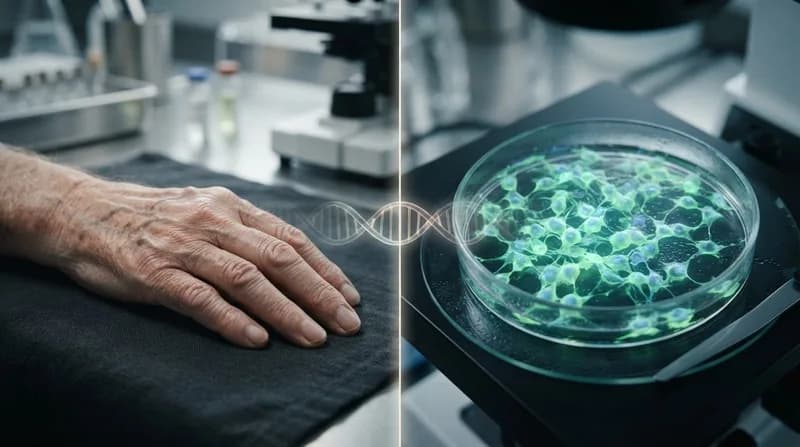
Perhaps most intriguingly, this research draws a direct line between bacterial immunity and human health. The CBASS system appears to be an ancestral precursor to immune pathways found in humans. This suggests that the fundamental strategy of utilizing a molecular 'tripwire' to sense infection has been conserved across billions of years of evolution. By studying how bacteria maintain this pathway, scientists are gaining a clearer window into the essential mechanisms that have allowed life to combat viral threats throughout history.
Implications for Future Therapeutics
The implications of this finding for medical science are significant, particularly in the realm of phage therapy. As antibiotic-resistant bacteria continue to pose a growing threat to global health, the ability to engineer phages that can bypass these sophisticated bacterial immune defenses is more critical than ever. By understanding the 'alarm' that activates the CBASS system, researchers can now design therapeutic phages that avoid triggering the self-destruct response, potentially making these treatments far more effective.
- New Detection Logic: The system identifies viral threats by detecting the activity of viral enzymes on host proteins rather than identifying viral DNA alone.
- Evolutionary Link: The CBASS mechanism is evolutionarily conserved, sharing structural and functional similarities with immune pathways in the human body.
- Therapeutic Path: Insights into this pathway provide a roadmap for developing 'stealth' phages capable of evading bacterial immune systems.
- Experimental Efficiency: Because bacteria reproduce rapidly, they serve as ideal models for deciphering complex immune responses that can be translated to human health studies.
Ultimately, this discovery underscores the enduring importance of basic science in solving complex medical problems. By observing the microscopic battle between bacteria and phages, scientists are not only unlocking new methods to treat infectious diseases but are also uncovering the ancient, conserved rules of immunity that govern all life on Earth.