E-BUZZ ME Logo
ScienceTechnical Deep Dive

Nanoplastics in Drinking Water May Shield Harmful Bacteria

Published
Nanoplastics in Drinking Water May Shield Harmful Bacteria
1 min read162 words

The Gist

New research reveals that tiny plastic particles can strengthen bacterial biofilms, making pathogens more resistant to standard water disinfection methods.

Recent scientific findings suggest that the presence of nanoplastics in drinking water systems may pose a greater public health risk than previously understood. Beyond their role as environmental contaminants, these microscopic particles appear to actively assist harmful bacteria in surviving water treatment processes.

Strengthening the Biofilm Shield

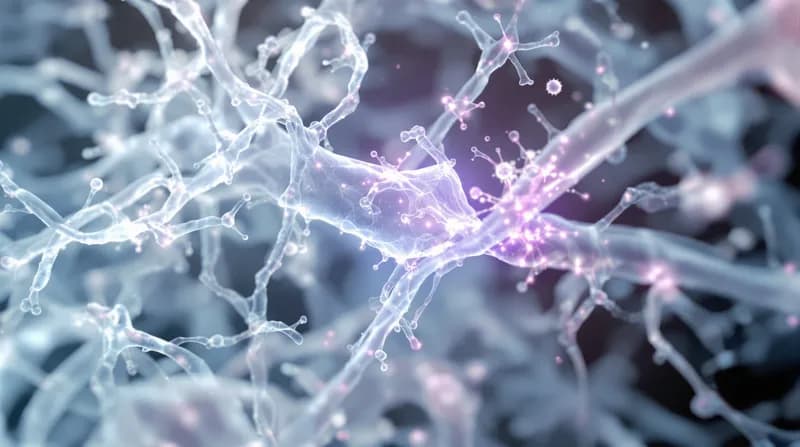
The study indicates that nanoplastics can integrate into the slimy layers known as biofilms that bacteria form inside water pipes and filtration systems. By reinforcing these structures, the plastic particles help create a tougher physical barrier that protects the underlying bacteria from common disinfectants like chlorine.

Public Health Implications

Because these reinforced biofilms are harder to remove, the bacteria they house are more likely to persist in the water supply. This increased resistance to traditional sanitation methods raises concerns about the potential for pathogens to reach consumers, even after standard purification protocols have been applied. Researchers are now calling for a closer look at how plastic pollution interacts with microbial safety in municipal water infrastructure.

Related Stories

Semantically matched articles, ranked by topic overlap and freshness.

Sparkling Water vs. Soda: New Study Evaluates Impact on Dental Health
Science68%

Sparkling Water vs. Soda: New Study Evaluates Impact on Dental Health

A recent study suggests that unsweetened sparkling water is a significantly safer choice for dental health compared to sugar-sweetened carbonated beverages.

The Impact of Ultra-Processed Foods on Long-Term Brain Health
Science63%

The Impact of Ultra-Processed Foods on Long-Term Brain Health

New research highlights a concerning link between ultra-processed diets and increased risks of depression, anxiety, and dementia.

Early Childhood Infections Linked to the Sibling Earnings Gap
Science63%

Early Childhood Infections Linked to the Sibling Earnings Gap

New research suggests that the lower average earnings of younger siblings may be driven by exposure to respiratory infections brought home by their older brothers and sisters.

Ebola Cases Surpass 3,000 in Democratic Republic of Congo Outbreak
Science62%

Ebola Cases Surpass 3,000 in Democratic Republic of Congo Outbreak

Health officials in the DR Congo report a massive surge in Ebola infections, with cases exceeding 3,000 following a rapid spike in the last 10 days.

Ancient 500,000-Year-Old Elephant Bone Hammer Rewrites Early Human Toolmaking History
Science62%

Ancient 500,000-Year-Old Elephant Bone Hammer Rewrites Early Human Toolmaking History

A rare discovery in England reveals that ancient humans crafted reusable hammers from elephant bone to sharpen stone tools nearly half a million years ago.

Chinese University Probes Alleged Death in Gene-Editing Trial
Science61%

Chinese University Probes Alleged Death in Gene-Editing Trial

A Chinese university is investigating reports that a 6-year-old girl died during a gene-editing trial, an incident allegedly omitted from published research.

Genetic Factors Determine Cancer Outcomes Following DNA Damage
Science61%

Genetic Factors Determine Cancer Outcomes Following DNA Damage

New research suggests that inherited genetics play a critical role in whether DNA damage leads to cancer development.

Working Memory Rapidly Re-Prioritizes After Distractions, New Study Reveals
Science61%

Working Memory Rapidly Re-Prioritizes After Distractions, New Study Reveals

A new study highlights the brain's remarkable ability to swiftly update working memory priorities to maintain focus on immediate tasks despite frequent interruptions.