E-BUZZ ME Logo
ScienceTechnical Deep Dive

Most Neurons Act as Generalists Rather Than Specialists

Published
Most Neurons Act as Generalists Rather Than Specialists
1 min read135 words

The Gist

New research suggests that the majority of brain cells function as versatile 'jacks-of-all-trades' rather than highly specialized units.

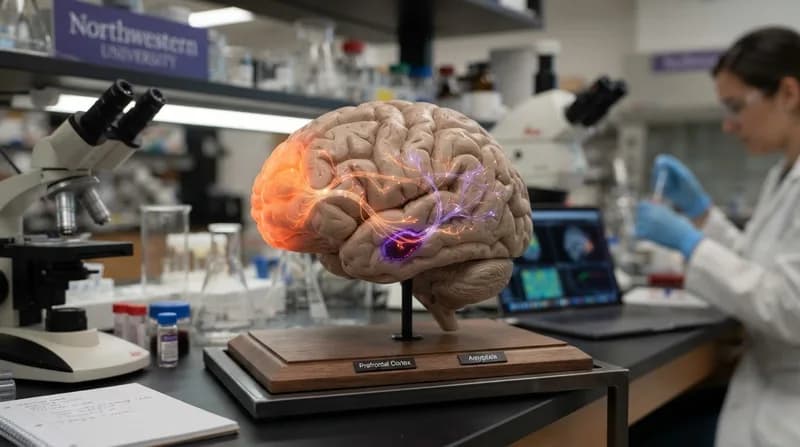
Conventional neuroscience has long operated on the assumption that the brain is composed of highly specialized cells, each dedicated to a specific task or stimulus. However, a recent study conducted on mice is challenging this fundamental perspective, suggesting that most neurons are actually generalists.

The Shift in Neural Understanding

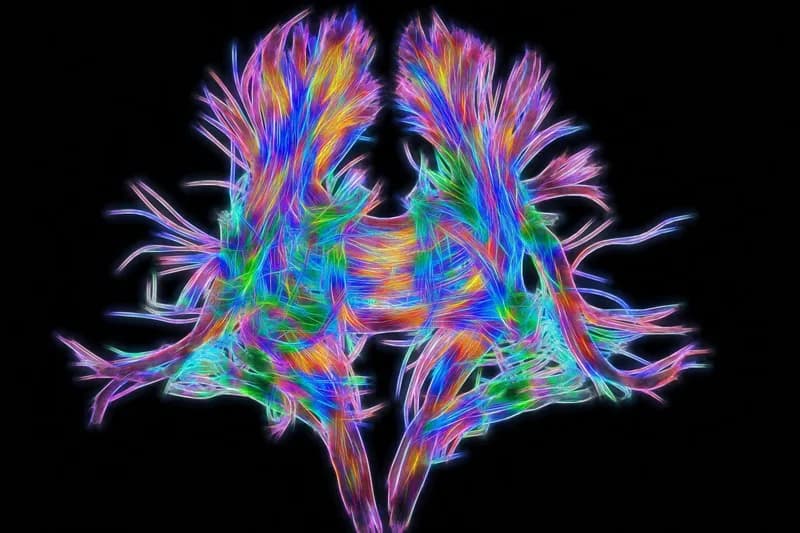
The study indicates that instead of being locked into single roles, many neurons exhibit a broad range of activity, participating in various processes across different contexts. This versatility suggests that the brain's processing power may be more fluid and adaptable than previously thought.

By observing neural patterns in mice, researchers found that the 'specialist' neurons—those that only fire in response to very specific triggers—are actually in the minority. This finding could reshape how we understand cognitive flexibility and the way information is encoded within biological networks.


Related Stories

Semantically matched articles, ranked by topic overlap and freshness.

Working Memory Rapidly Re-Prioritizes After Distractions, New Study Reveals
Science70%

Working Memory Rapidly Re-Prioritizes After Distractions, New Study Reveals

A new study highlights the brain's remarkable ability to swiftly update working memory priorities to maintain focus on immediate tasks despite frequent interruptions.

Mapping the Mind: Two Neural Pathways Explain Habit Formation
Science69%

Mapping the Mind: Two Neural Pathways Explain Habit Formation

New research identifies the specific brain mechanisms that transition deliberate actions into automatic routines, explaining why some habits feel harder to break than others.

The Impact of Ultra-Processed Foods on Long-Term Brain Health
Science66%

The Impact of Ultra-Processed Foods on Long-Term Brain Health

New research highlights a concerning link between ultra-processed diets and increased risks of depression, anxiety, and dementia.

Genetic Factors Determine Cancer Outcomes Following DNA Damage
Science62%

Genetic Factors Determine Cancer Outcomes Following DNA Damage

New research suggests that inherited genetics play a critical role in whether DNA damage leads to cancer development.

Early Childhood Infections Linked to the Sibling Earnings Gap
Science62%

Early Childhood Infections Linked to the Sibling Earnings Gap

New research suggests that the lower average earnings of younger siblings may be driven by exposure to respiratory infections brought home by their older brothers and sisters.

Ancient 500,000-Year-Old Elephant Bone Hammer Rewrites Early Human Toolmaking History
Science61%

Ancient 500,000-Year-Old Elephant Bone Hammer Rewrites Early Human Toolmaking History

A rare discovery in England reveals that ancient humans crafted reusable hammers from elephant bone to sharpen stone tools nearly half a million years ago.

Innovative Eye Implant and High-Tech Glasses Approved to Combat Vision Loss
Science61%

Innovative Eye Implant and High-Tech Glasses Approved to Combat Vision Loss

A breakthrough eye implant and smart glasses system has received European regulatory approval, offering hope to those suffering from severe age-related vision loss.

Innovative Treadmill Therapy Shows Promise for PTSD Recovery
Science59%

Innovative Treadmill Therapy Shows Promise for PTSD Recovery

Researchers at the University of Alberta have found that combining physical motion with memory confrontation significantly improves PTSD treatment outcomes.