An Unscheduled Fix for IT Departments
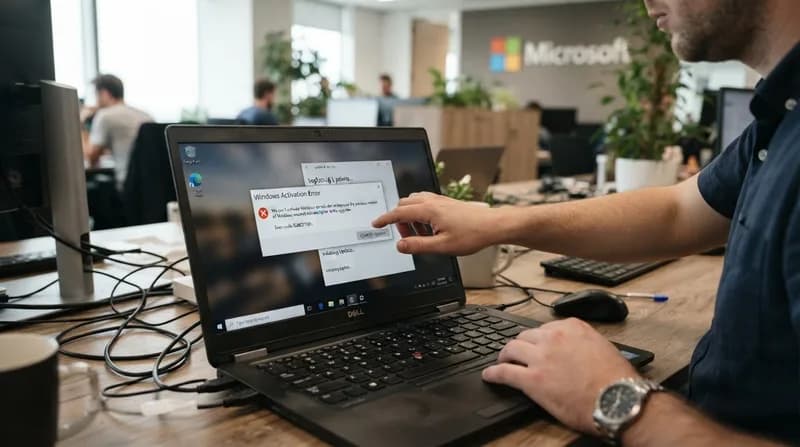
Microsoft has officially pushed out an emergency, non-security out-of-band (OOB) update designed to rectify licensing and activation errors caused by November's Patch Tuesday releases. The glitch, which triggered the 0x80041008 error code, specifically disrupted operations for enterprise customers relying on the Software Licensing Management Tool (SLMGR). The issue frequently manifested when administrators utilized slmgr.vbs scripts or automated workflows to manage product keys, configure Key Management Service (KMS) activations, or perform routine license management.
The OOB update is currently available via the Microsoft Update Catalog for a broad range of operating systems, including Windows Server 2025, 2022, and 2019, alongside Windows 10 22H2 ESU and Windows 10 Enterprise LTSC versions. Users running Windows 11 23H2 have the additional convenience of accessing the fix through the Optional updates menu within the standard Windows Update settings. While Microsoft clarified that devices already activated prior to the buggy update will remain unaffected, the incident has highlighted the ongoing challenges IT administrators face when managing large-scale infrastructure in the Microsoft ecosystem.
Why It Matters
- Operational Continuity: For enterprise environments, the ability to automate license activation is vital for scaling and maintaining compliance. When these tools break, it forces manual, labor-intensive interventions.
- Reliability Concerns: The release of a follow-up patch to fix a previous patch has reignited discussions regarding the rigors of Microsoft's quality assurance processes, particularly after the company also dealt with a separate, high-profile Exchange Online service outage earlier this month.
- Broad Infrastructure Impact: The scope of the activation failure spanned across modern Windows 11 builds, legacy Windows 10 versions, and critical server infrastructure, underscoring the interconnected nature of the Windows ecosystem.
Outlook and Implications
Beyond the immediate relief this patch provides, the incident serves as a stark reminder of the complexities inherent in maintaining enterprise software environments. Administrators are currently managing a challenging workload; between the recent Exchange Online downtime, which Microsoft linked to a long-standing software defect from July, and the Windows activation disruption, IT teams are increasingly contending with "security by unavailability." Moving forward, organizations will likely demand more robust validation cycles for routine security updates to ensure that critical management tools remain functional throughout the patching lifecycle.