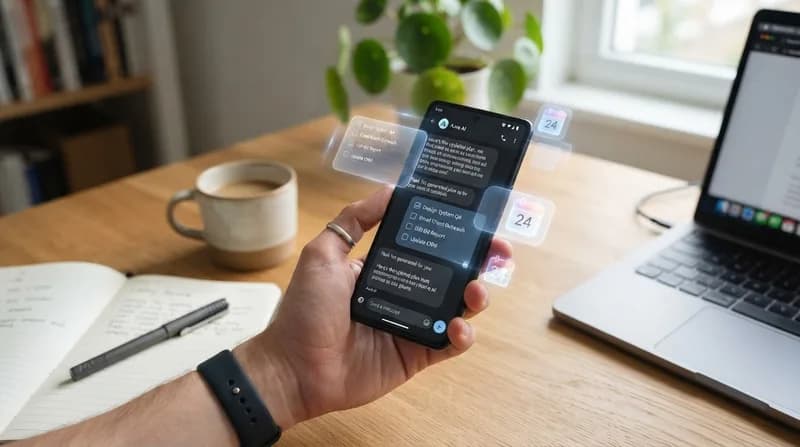
The Era of the AI Agent
Meta has officially integrated a highly anticipated functionality into its consumer-facing AI agent, Muse. As of this week, subscribers to the platform can delegate the headache of making phone calls to businesses directly to their AI assistant. This rollout follows a successful testing period that began in September, transitioning from a limited early-access preview to a core feature for the service's growing user base, which recently surpassed 10 million users.
By design, Muse is intended to act as a proactive concierge for mundane administrative tasks. Whether it is scheduling a dinner reservation at a venue without a digital booking portal, handling inquiries with a local DMV office, or navigating the infamous maze of cable company customer support, Muse is being positioned as the solution to "the calls you do not want to make." The goal is to offload the friction of modern life onto a persistent, patient digital worker.
The Cost of Convenience
Access to this automated calling feature is currently locked behind Muse’s paid subscription tiers. Meta has structured its pricing model to cater to both casual and power users, with entry-level plans starting at $20 per month. This subscription grants users a generous pool of 500 million Muse tokens per week, enough to cover a significant volume of AI-driven requests. For those who require more robust assistance or heavy-duty task management, a $100 per month tier is available, providing a substantial capacity of 3 billion tokens per week.
This shift toward pay-gated utility signals Meta’s broader strategy to monetize its AI offerings by providing tangible productivity gains. While the company intends to keep some features accessible to the general public—such as the upcoming rollout of Muse-generated email addresses to free users—the ability to interact with the physical, telephonic world is being treated as a premium service.
Why It Matters
- Customer Service Disruption: Consumers have long been frustrated by phone trees and long hold times; AI agents offer a way to bypass these inefficiencies by letting the software endure the wait.
- Escalating AI Realism: As AI models improve at mimicking human speech patterns, the boundary between an AI agent and a real human becomes increasingly porous, forcing businesses to rethink how they screen incoming traffic.
- Industry Competition: Muse joins a growing field of competitors, including Google’s Gemini and specialized startups like Instinct, that are all vying to become the primary interface between consumers and legacy service businesses.
The Challenges of Human-AI Interaction
Despite the technological achievement of having an AI navigate a phone conversation, the real-world deployment faces significant social hurdles. Many businesses and customer service representatives are already primed to identify and terminate calls from non-human entities. If a receptionist suspects they are talking to a bot, the default reaction is often to hang up, effectively nullifying the AI’s attempt to resolve the user's issue.
However, as these agents evolve, their ability to navigate complex, nuance-filled human conversations is improving rapidly. Meta’s move to push this feature into the mainstream suggests they believe the technology is now sophisticated enough to handle the majority of standard business interactions without triggering an immediate disconnect. While the "receptionist resistance" remains a tangible barrier, the long-term potential for AI to act as a universal proxy for the average person remains a massive driver for product development at the firm.