A Strategic Shift in Manufacturing
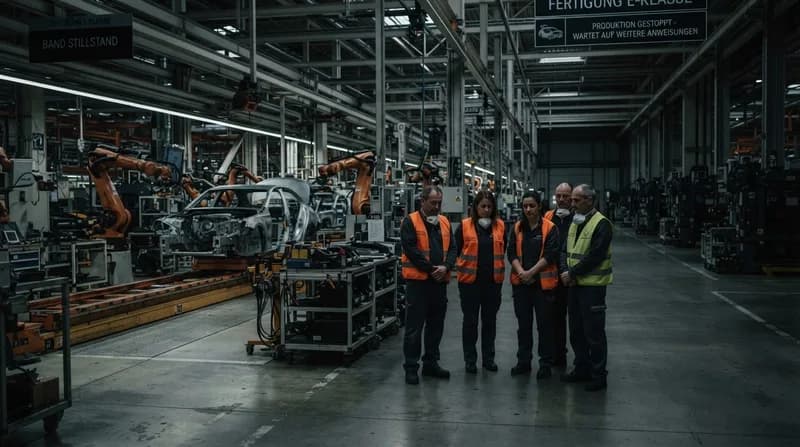
In a dramatic escalation of ongoing labor negotiations, the board of Mercedes-Benz has announced a temporary freeze on all new investments at its German manufacturing sites. Production Board Member Michael Schiebe delivered the stern message via an internal company communication, signaling that the automaker is prepared to take drastic measures—including potential factory closures—if it cannot secure a more competitive cost structure for its domestic operations.
The root of this tension lies in a long-standing dispute regarding labor expenses. Management has explicitly pointed to the 35-hour workweek as a primary target for reform, alongside a push to trim special payments like holiday and Christmas bonuses. According to company leadership, the cost of labor in Germany is now up to five times higher than in its Eastern European facilities, and even higher than its operations in the United States, rendering the current domestic production model increasingly difficult to justify in a cooling global market.
The Motivation Behind the Freeze
The urgency of these threats is underscored by Mercedes-Benz’s recent financial performance. The company has faced significant headwinds this year, including weakening demand in the Chinese market, the impact of international trade tariffs, and broader geopolitical instability. These factors have forced the company to lower its profit forecasts and rethink its global manufacturing footprint for upcoming vehicle generations.
Management aims to shave €800 million from its annual operating costs to stabilize its position. Beyond labor hour adjustments, the company is seeking to eliminate annual profit-sharing bonuses. While the board has suggested that its own members will also take a cut in remuneration, the pressure remains squarely on the workforce to accept concessions. In exchange, the unions are demanding long-term job security guarantees, creating an impasse where both sides appear unwilling to yield.
Why It Matters
- Competitive Disadvantage: Mercedes argues that the current German labor model makes it impossible to compete with lower-cost production hubs, risking the future of its domestic facilities.
- Global Supply Chain Shifts: If negotiations fail, future generations of Mercedes-Benz vehicles may be exclusively manufactured abroad, permanently altering the company's historical manufacturing core in Germany.
- Industry Precedent: This standoff highlights a growing trend among legacy automakers in Europe, who are increasingly forced to choose between maintaining domestic roots and achieving the operational efficiency required to transition to an electrified, software-defined future.
The Path Forward
Currently, the company maintains extensive infrastructure in Germany, including major vehicle assembly plants in Sindelfingen, Bremen, and Rastatt, along with critical component production facilities in cities like Berlin and Hamburg. Any move to shutter these sites would mark a historic shift for the brand. As the clock ticks on the planning cycle for the next generation of vehicles, the coming weeks will be critical. Unless a compromise is reached that aligns labor costs with the company's current financial reality, the possibility of significant industrial restructuring in Germany is growing increasingly likely.