The Rise of the Virtual Proxy
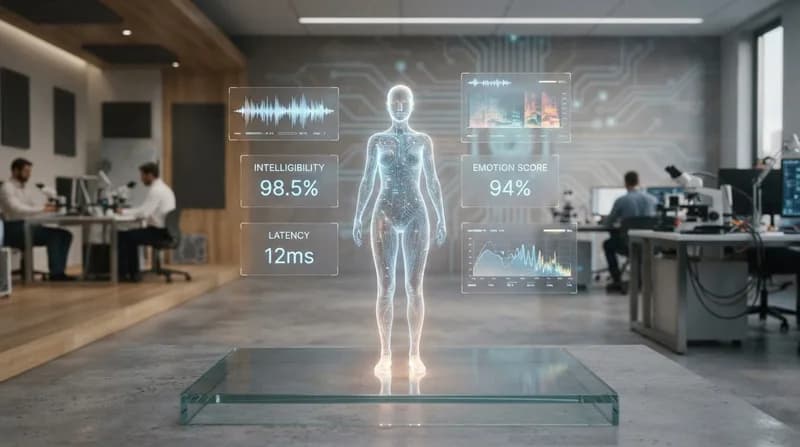
In a world where the daily calendar is increasingly saturated with meetings that could have been handled via a quick message, a new development project called MeetTwins is aiming to tackle the issue of meeting fatigue. Created by developer Aditya Shinde, the platform allows users to dispatch an AI-powered avatar to Google Meet sessions on their behalf. The concept is straightforward: rather than physically logging in and losing precious hours to status updates, users can program a digital proxy to represent them, answer pre-approved questions, and facilitate routine check-ins.
The technology behind MeetTwins relies on foundational models from the India-based AI firm Sarvam, paired with photorealistic digital twin avatars generated by Simli. By providing the bot with documents, specific talking points, and defined boundaries for discussion, users can theoretically stay productive elsewhere while their avatar manages their presence in a virtual conference room.
Functional Boundaries and Safety Features
For those concerned about AI hallucinations or unauthorized promises, the platform is built with a strictly controlled logic. According to developer Aditya Shinde, the system is designed to avoid improvisation; it will not guess answers or commit to items not explicitly included in its briefing documents. If a meeting participant steers the conversation toward a topic outside the provided brief, the AI is programmed to remain silent or deflect the query, ultimately notifying the human operator via email with a summary of the discussion and any unresolved action items.
Recognizing the potential for friction within team dynamics, the developer has implemented a fail-safe mechanism: the "/stop" command. If any meeting attendee feels uncomfortable or prefers to speak with a human counterpart, they can input this command into the chat, forcing the bot to immediately exit the call. This is part of a conscious effort by the developers to maintain transparency, as the AI is clearly labeled and announces its identity upon joining a meeting to ensure all participants are aware they are interacting with an automated agent.
Why It Matters
- Redefining Productivity: The emergence of tools like MeetTwins underscores the growing sentiment that many virtual meetings have become redundant, serving as a catalyst for rethinking corporate communication.
- Transparency in AI: By requiring clear identification of the AI bot, the platform engages with the ongoing challenge of building trust in human-AI professional interactions.
- Delegation vs. Presence: The tool challenges traditional notions of workplace accountability, raising questions about whether presence—even in a virtual format—is a requirement for effective collaboration.
The Implications for Workplace Culture
While MeetTwins offers a functional solution for managing time-intensive, repetitive calls, it inevitably invites scrutiny regarding office culture. The prospect of sending a bot to interact with colleagues may be viewed as an efficiency hack by some, while others might perceive it as a disregard for interpersonal communication. As the beta for MeetTwins continues to develop, it serves as a litmus test for how much we are willing to automate our social labor in a digital-first work environment.
Ultimately, the tool highlights an uncomfortable irony: we are creating increasingly sophisticated technology to navigate the meetings we created to stay connected, which in turn suggests that our current methods of collaboration may be due for a fundamental overhaul. Whether this leads to a new era of optimized workflows or simply more grumpy emails from annoyed colleagues remains to be seen.