E-BUZZ ME Logo
ScienceTechnical Deep Dive

Machine Learning Enhances Asthma Risk Detection in Pediatric Care

Published
Machine Learning Enhances Asthma Risk Detection in Pediatric Care
1 min read153 words

The Gist

A new pilot study demonstrates how machine learning tools can help pediatricians more accurately identify asthma risks in children using existing health records.

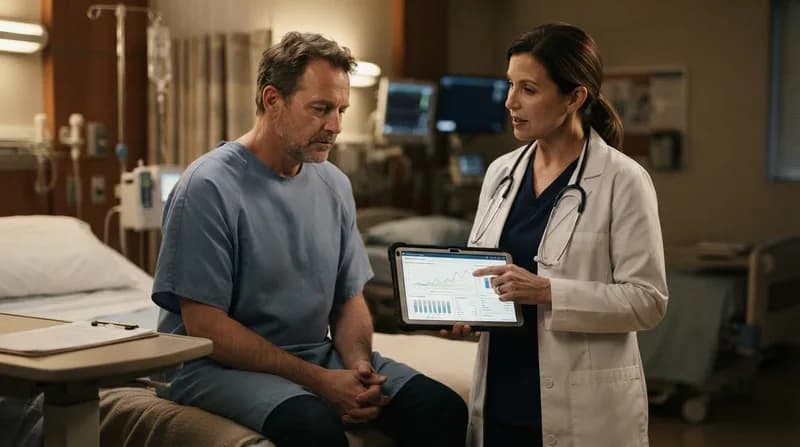
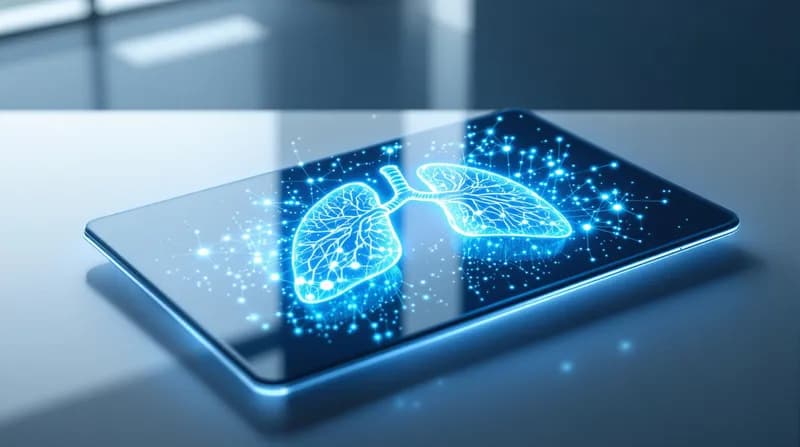
A recent pilot randomized clinical trial has highlighted the potential of machine learning to improve pediatric respiratory care. According to research led by the Regenstrief Institute and published in the journal Scientific Reports, an AI-driven tool effectively assists doctors in assessing asthma risks by analyzing data already present in a child's electronic health record.

Improving Clinical Accuracy

The study found that pediatricians were able to more accurately evaluate asthma risk during standardized clinical case scenarios when supported by the machine learning tool. By leveraging historical data and existing medical documentation, the system provides a more comprehensive view of a patient's health profile than traditional manual reviews might allow.

Future Implications for Healthcare

This development suggests that integrating predictive algorithms into electronic health record systems could significantly streamline diagnostic processes. By automating the analysis of complex medical histories, healthcare providers can focus more on personalized treatment plans and early intervention for high-risk pediatric patients.


Related Stories

Semantically matched articles, ranked by topic overlap and freshness.

Young Adults Struggle with Healthcare Independence, New Poll Finds
Science65%

Young Adults Struggle with Healthcare Independence, New Poll Finds

A University of Michigan poll reveals that many young adults aged 18–25 lack the basic skills necessary to manage their own medical needs without parental assistance.

Early Childhood Infections Linked to the Sibling Earnings Gap
Science63%

Early Childhood Infections Linked to the Sibling Earnings Gap

New research suggests that the lower average earnings of younger siblings may be driven by exposure to respiratory infections brought home by their older brothers and sisters.

OpenAI Launches Health Integration for ChatGPT in the U.S.
Artificial Intelligence62%

OpenAI Launches Health Integration for ChatGPT in the U.S.

Eligible U.S. users can now securely link their medical records and Apple Health data to ChatGPT for personalized health insights.

Chinese University Probes Alleged Death in Gene-Editing Trial
Science60%

Chinese University Probes Alleged Death in Gene-Editing Trial

A Chinese university is investigating reports that a 6-year-old girl died during a gene-editing trial, an incident allegedly omitted from published research.

Google’s AI Overviews Reach 43% Penetration in Search Results
Artificial Intelligence59%

Google’s AI Overviews Reach 43% Penetration in Search Results

New data reveals that Google's AI-generated answers are rapidly becoming the primary way users discover information online, now appearing in nearly half of all searches.

Burnout Crisis: One in Ten Emergency Physicians Leaving the Specialty in Canada
Science59%

Burnout Crisis: One in Ten Emergency Physicians Leaving the Specialty in Canada

A new study reveals a growing healthcare crisis in Canada, with burnout driving 10% of emergency doctors to exit the field or significantly cut clinical hours.

Working Memory Rapidly Re-Prioritizes After Distractions, New Study Reveals
Science58%

Working Memory Rapidly Re-Prioritizes After Distractions, New Study Reveals

A new study highlights the brain's remarkable ability to swiftly update working memory priorities to maintain focus on immediate tasks despite frequent interruptions.

Nvidia to Invest $5 Billion in Ilya Sutskever’s Safe Superintelligence Inc.
Tech & Gadgets58%

Nvidia to Invest $5 Billion in Ilya Sutskever’s Safe Superintelligence Inc.

Nvidia Corp. is reportedly committing $5 billion to Ilya Sutskever’s new AI research startup, marking a major investment in the future of safe superintelligence.