Expanding the Construction Frontier
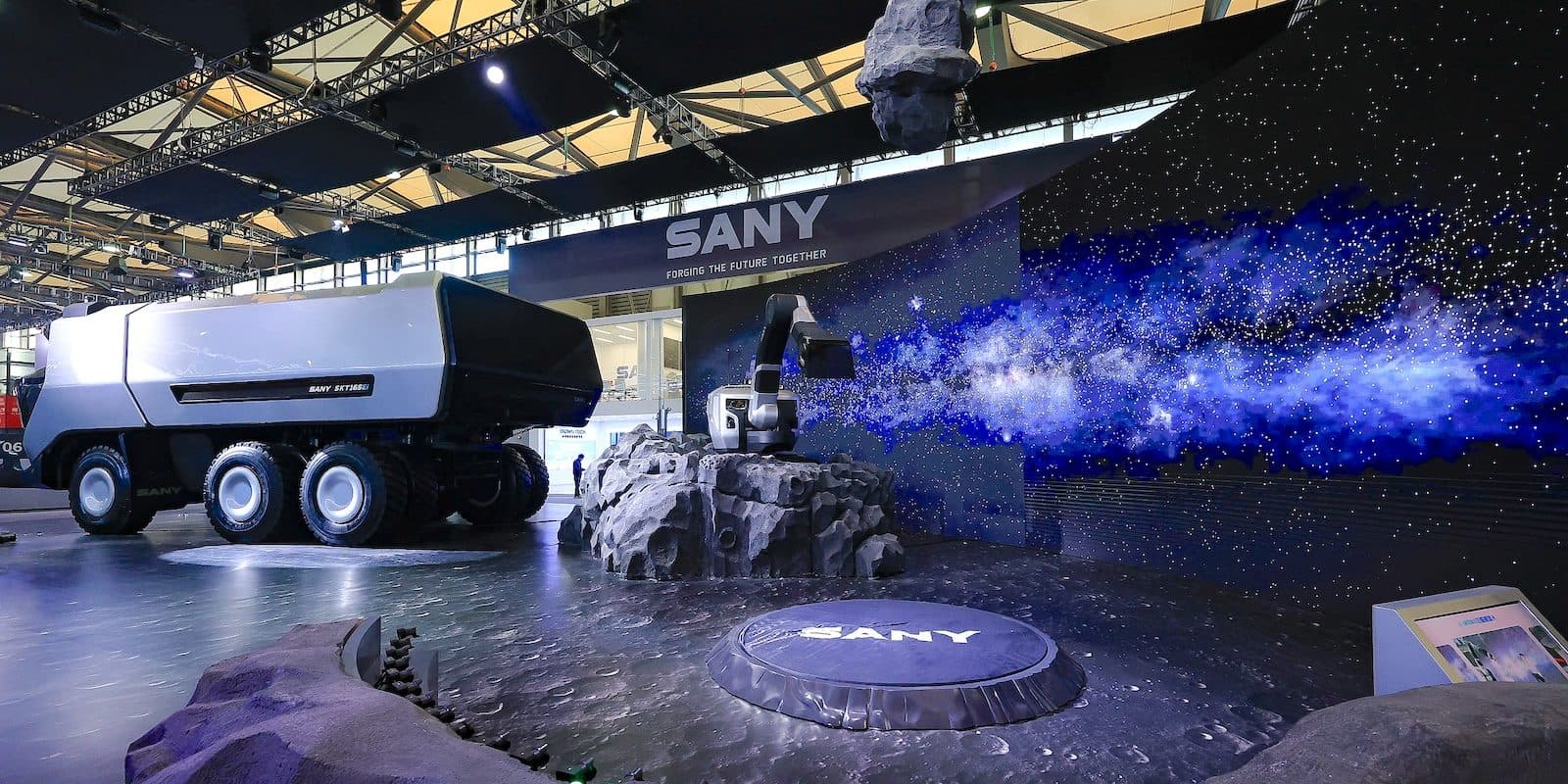
In an ambitious leap for industrial manufacturing, Chinese heavy equipment titan SANY has officially announced its entry into the lunar exploration sector. Known globally for its terrestrial cranes, excavators, and earth-moving machinery, the company is now pivoting toward the development of autonomous lunar construction hardware. This move signals a significant shift in the aerospace landscape, as private sector heavy industry begins to play a central role in long-term space colonization.
SANY’s entry focuses on solving the fundamental logistical challenge of building on the lunar surface: resource management and structural integrity in a vacuum. By applying its extensive expertise in automated mining and high-precision lifting technology, the company aims to develop robotic systems capable of terraforming localized lunar sites, preparing foundations for habitats, and managing deep-regolith extraction.
Why it Matters
- Autonomous Infrastructure: SANY’s technology focuses on remote-operated, self-correcting robotics, which are essential for environments where direct human intervention is impossible.
- Industrialization of Space: The move validates the trend of heavy-duty earth-moving companies pivoting toward extraterrestrial logistics.
- Strategic Competition: By entering this space, SANY joins a small but growing roster of global industrial giants aiming to establish the first permanent infrastructure on the moon.
Future Implications
The transition from construction sites on Earth to the lunar poles represents a massive engineering challenge. SANY intends to leverage its proprietary smart-manufacturing data to create systems that can withstand extreme temperature fluctuations and abrasive lunar dust. As lunar missions move from exploratory flag-planting to genuine industrial development, the reliance on specialized heavy equipment will become the primary bottleneck. If successful, SANY’s specialized robotic fleet could provide the backbone for future pressurized bases and research outposts, effectively acting as the front-line workers of our lunar future.