The Charging Reliability Crisis
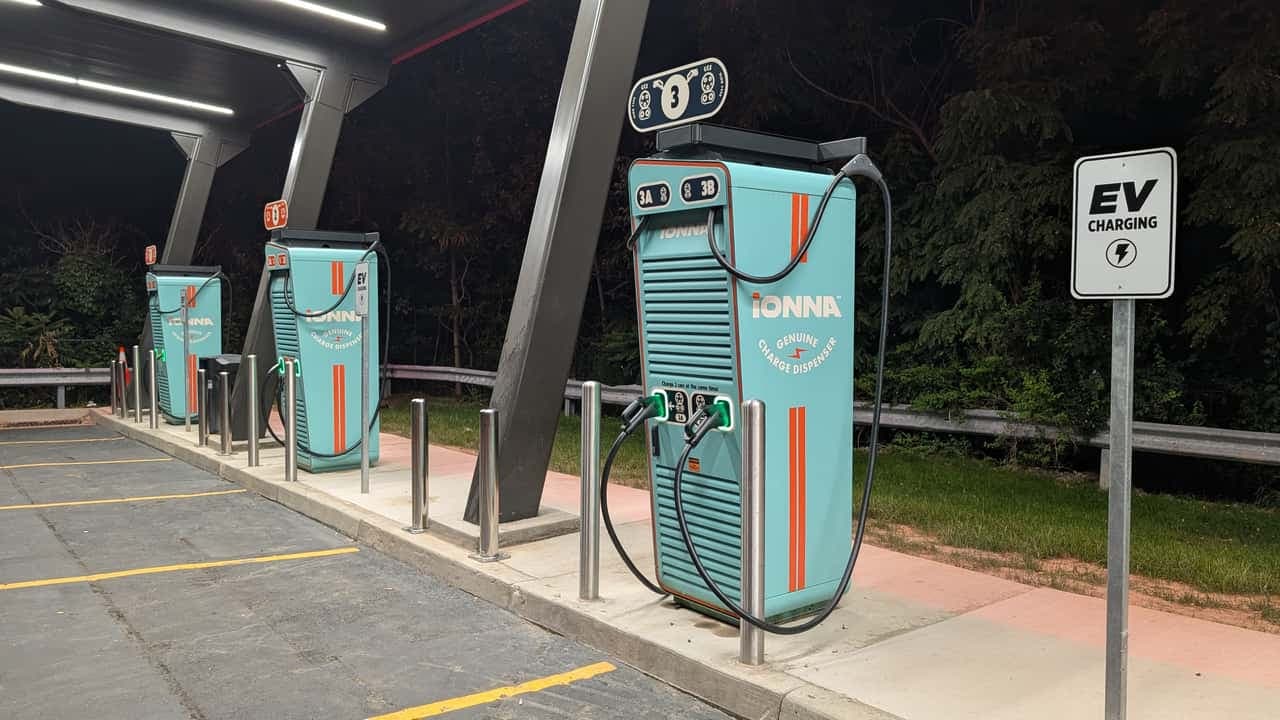
As electric vehicle adoption accelerates across Germany, the sheer scale of the public charging infrastructure has hit a critical bottleneck: reliability. With over 218,000 public charging points now in operation, the frequency of interrupted sessions, failed authorizations, and suboptimal charging speeds has become a primary pain point for consumers. The issue is exacerbated by the fragmented nature of the EV ecosystem, where a single charging failure could theoretically involve a vehicle manufacturer, a charge point operator, a payment processor, or a software provider, yet rarely do these parties collaborate to diagnose the root cause.
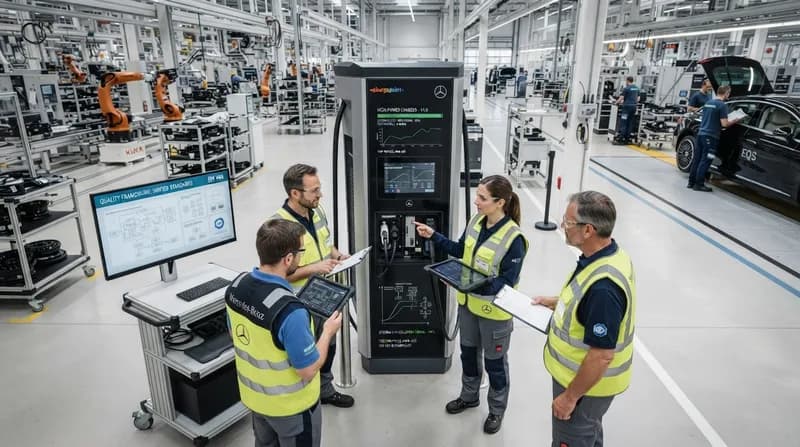
To combat this, a new cross-industry alliance under the German Association of the Automotive Industry (VDA) has formed. Comprising 29 major companies, including automotive giants like BMW, Mercedes-Benz, and Volkswagen, alongside infrastructure leaders like Alpitronic and EnBW, the group seeks to transform the charging experience from a gamble into a predictable utility. Their solution is a massive, 350-page document dubbed the 'Yellow Book,' which serves as a blueprint for standardized quality management across the entire charging lifecycle.
Defining Success with Standardized KPIs
At the heart of the initiative is a shift toward a uniform language for measurement. Currently, different stakeholders track performance using disparate metrics, making it impossible to compare data or identify where the system breaks down. Dr. Axel Sprenger, founder of Uscale and a lead contributor to the project, notes that the lack of clear definitions has been the primary barrier to progress. The Yellow Book breaks the charging experience into distinct phases—Approach, Authentication, Initialisation, Energy Transfer, and Unplugging—to isolate exactly where a fault occurs.
The alliance proposes several key performance indicators (KPIs) to provide granular insights. These include:
- Authorisation Success Rate (ASR): Measures the reliability of the handshake between the vehicle, payment system, and backend.
- Initialisation Success Rate (ISR): Tracks the transition from authorization to the start of power flow.
- Transaction Success Rate (TSR): An overall metric for the successful completion of a power transfer.
- Charging Success Rate (CSR): The overarching benchmark that captures the entire process from start to finish.
The Technical Foundation: Leveraging Protocols
Standardizing these metrics relies heavily on existing communication protocols, most notably the Open Charge Point Protocol (OCPP). By leveraging the signals already exchanged between charging hardware and backend systems, the alliance aims to create a traceable trail of checkpoints. This allows operators to determine whether an error lies in the vehicle’s software or the charger’s connection, preventing the common practice where stakeholders waste resources investigating problems they did not create.
While the project provides the methodology, the next hurdle is data transparency. Industry participants have historically been hesitant to share proprietary information across competitive lines. However, the alliance maintains that harmonization does not require complete transparency of internal data, but rather a shared methodology for relating different contributions to the ecosystem. By mapping these technical touchpoints, the group believes it can finally offer the 'plug-and-play' simplicity that EV drivers have been demanding since the transition to electric mobility began.
Why It Matters
Reliability is arguably the final frontier for mass-market EV adoption. If a consumer cannot trust that their vehicle will charge on the first attempt, the perceived convenience of electric driving collapses. By shifting from individual, isolated troubleshooting to a coordinated, cross-industry quality management system, the German automotive sector is attempting to professionalize the charging network to match the standards of legacy fuel infrastructure.