E-BUZZ ME Logo
ScienceTechnical Deep Dive

Longevity-Linked APOE2 Gene Found to Shield Brain from Aging and Alzheimer’s

Published
Longevity-Linked APOE2 Gene Found to Shield Brain from Aging and Alzheimer’s
1 min read155 words

The Gist

Researchers have discovered that the APOE2 gene variant protects neurons by reducing DNA damage and enhancing stress recovery, offering a potential blueprint for new Alzheimer’s therapies.

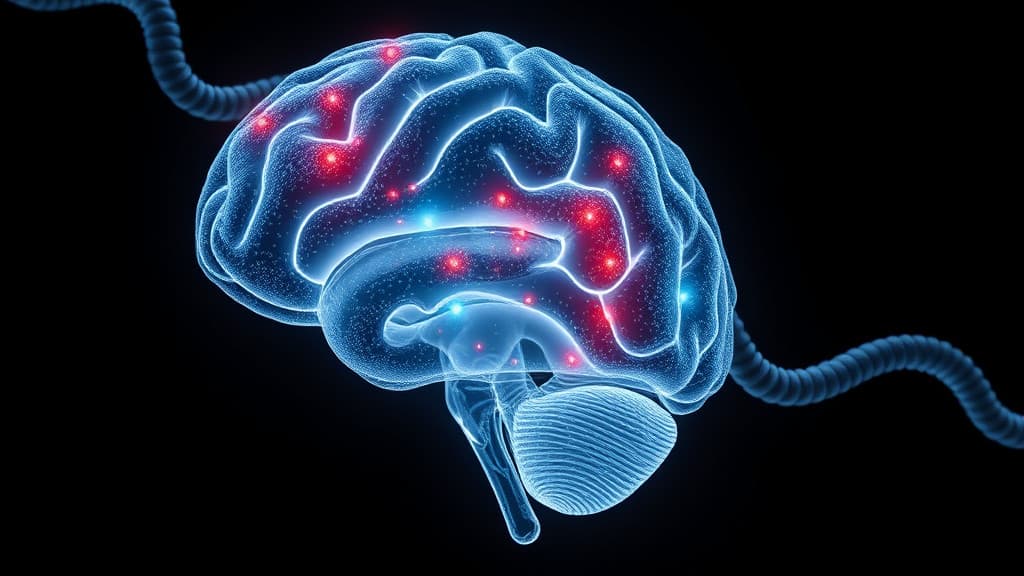
A recent scientific study has shed light on how the APOE2 gene variant, long associated with human longevity, actively protects the brain against the ravages of aging and Alzheimer’s disease. Unlike other genetic variants that may increase vulnerability, APOE2 appears to strengthen the structural integrity of brain cells.

A Natural Defense Mechanism

The research indicates that APOE2 functions by significantly reducing the accumulation of DNA damage within neurons. This genetic protection allows brain cells to maintain their function longer and recover more efficiently from cellular stress, a primary driver of neurodegenerative decline.

Implications for Future Treatment

This discovery is particularly significant for the development of next-generation Alzheimer’s treatments. By understanding the specific biological pathways APOE2 uses to defend the brain, scientists hope to develop therapies that can mimic these protective effects. Such treatments could provide a vital defense for individuals who possess higher genetic risk factors, potentially slowing or preventing the onset of cognitive impairment.


Related Stories

Semantically matched articles, ranked by topic overlap and freshness.

Sulfur-Based Compound Identified as Potential Breakthrough for Aging Muscle Repair
Science71%

Sulfur-Based Compound Identified as Potential Breakthrough for Aging Muscle Repair

Researchers have discovered a compound named LASSS that protects proteins essential for muscle recovery, offering hope for combating age-related muscle loss.

Biological Age Linked to Weight Loss Success in New Study
Science68%

Biological Age Linked to Weight Loss Success in New Study

A recent study suggests that individuals with a biological age younger than their chronological age may lose more weight when following calorie-restricted diets.

AI Aids Stanford Researchers in Discovering Natural Weight Loss Molecule
Science67%

AI Aids Stanford Researchers in Discovering Natural Weight Loss Molecule

Stanford scientists have identified a natural molecule that mimics the weight-loss effects of Ozempic with fewer side effects by targeting specific brain regions.

Ancient Egyptian Ape Fossil Challenges Established Human Evolutionary Timeline
Science65%

Ancient Egyptian Ape Fossil Challenges Established Human Evolutionary Timeline

A newly discovered fossil in northern Egypt suggests the ancestors of modern apes and humans may have emerged in North Africa rather than East Africa.

New Experimental Antiviral Pill Shows Promise in Halting Measles Transmission
Science63%

New Experimental Antiviral Pill Shows Promise in Halting Measles Transmission

A breakthrough antiviral treatment has successfully prevented the spread of a measles-like virus in animal trials, offering a potential new tool to contain future outbreaks.

GLP-1 Weight Loss Drugs Linked to Increased Risk of Hair Loss
Science63%

GLP-1 Weight Loss Drugs Linked to Increased Risk of Hair Loss

A large-scale study reveals that popular GLP-1 medications like Ozempic and Mounjaro may carry a higher risk of alopecia compared to other diabetes treatments.

U.S. Schools Struggle with Concussion Support for Returning Students
Science62%

U.S. Schools Struggle with Concussion Support for Returning Students

A new study reveals that many public schools lack the necessary policies and staff training to support students recovering from concussions.

NASA’s Deep Space Network Threatened by Wildfire
Science61%

NASA’s Deep Space Network Threatened by Wildfire

One of the three critical communication stations enabling NASA to talk to deep space missions is currently facing a direct threat from an active wildfire.