A Legacy of Firsts
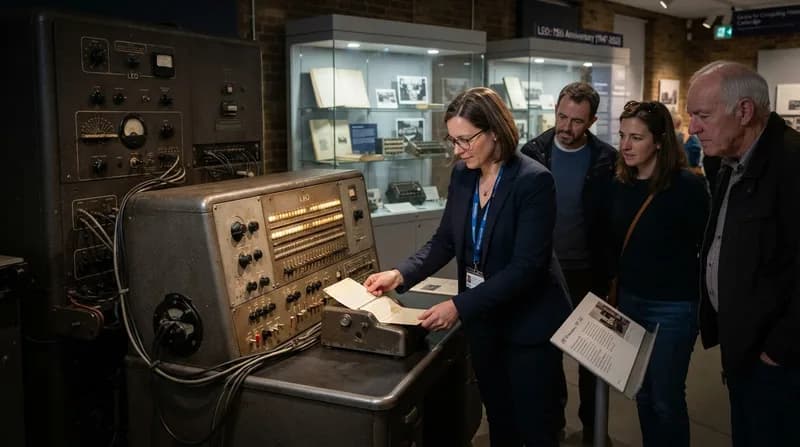
In the rapidly evolving landscape of modern technology, it is easy to overlook the foundations laid by early pioneers. This November marks a monumental anniversary in the history of information technology: 75 years since the Lyons Electronic Office, or LEO, first began processing commercial applications. To celebrate this milestone, the Centre for Computing History in Cambridge is hosting a dedicated "LEO@75" event on November 28, inviting tech enthusiasts to look back at the machine that effectively ignited the era of business computing.
LEO was not just another laboratory curiosity; it was a practical, industrial-strength evolution of academic research. Built upon the architecture of the Electronic Delay Storage Automatic Calculator (EDSAC), which was developed at Cambridge University, LEO transitioned computing from the realm of abstract mathematics into the engine room of enterprise. Its pedigree stretches back to the seminal work of John von Neumann and the architectural principles that still underpin the devices we use today.
The Evolution of Modern Architecture
The history of LEO is inextricably linked to the quest for efficient, stored-program computing. Following the release of the famous "First Draft of a Report on the EDVAC" in 1945, researchers began moving away from the cumbersome hardware-switching methods used in machines like ENIAC. The adoption of the stored-program concept—where instructions were held in memory alongside data—was the breakthrough that allowed computers to move from fixed-function calculators to programmable systems.
While machines like the Manchester "Baby" and EDSAC proved that electronic stored-program computing was possible, LEO proved it was profitable. By 1951, it was performing commercial tasks that would eventually revolutionize the way corporations manage logistics, inventory, and payroll. This transition remains a critical turning point, marking the moment when digital processing moved from the ivory tower into the commercial sector, paving the way for the silicon revolution that followed.
Celebrating the Milestone
The LEO@75 event aims to bridge the gap between historical significance and modern engagement. Visitors to the museum will have the opportunity to explore a variety of exhibits, including archival displays of LEO artifacts and personal stories from the individuals who worked with these early machines. Notably, the museum has dedicated significant resources, bolstered by national funding, to digitizing and preserving the archives of LEO Computers, ensuring that the primary source material remains available for future generations.
The day is designed to cater to a wide audience, blending academic appreciation with hands-on learning. The event lineup includes:
- Historical film screenings showcasing the development and daily operation of early computing hardware.
- Interactive displays focused on the preservation of LEO artifacts and documents.
- Educational workshops for children aged 5-7 to introduce them to the concept of computing history.
- A Python coding session tailored for young people aged 12-16, connecting the legacy of early programming with modern software development.
By bringing together the history of mainframe giants and the accessibility of modern coding, the Centre for Computing History provides a unique perspective on how far the industry has traveled. As the event approaches, the focus remains on celebrating the spirit of innovation that turned a set of vacuum tubes and cables into the backbone of the modern economy.