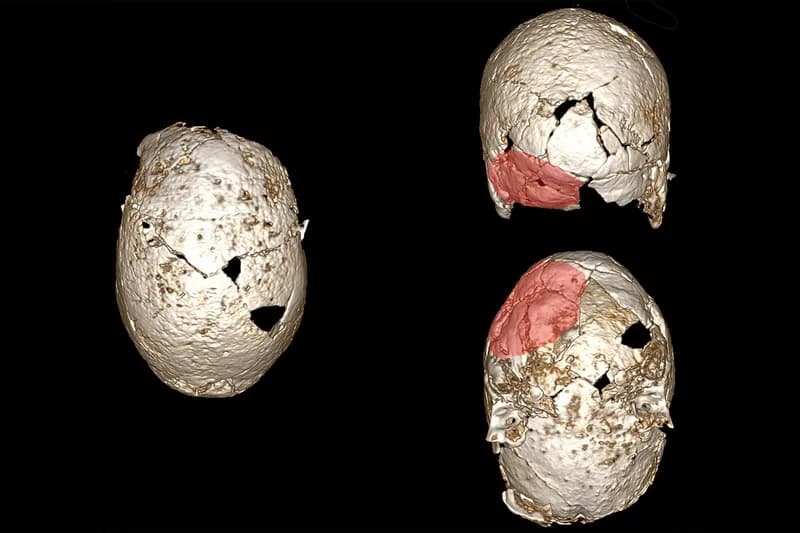
Researchers analyzing ancient skeletal remains in Italy have discovered evidence of positional plagiocephaly, commonly known as flat head syndrome, dating back to the 9th century BC. The findings indicate that certain sleeping positions or infant care practices led to the flattening of the skull in Iron Age populations.
An Ancient Condition
While often associated with modern pediatric concerns regarding firm mattresses and specific sleeping orientations, this discovery suggests that the physical development of infants has been influenced by environmental factors for millennia. The analysis of these Iron Age skulls provides a unique glimpse into the daily lives and child-rearing habits of early Italian civilizations.
By examining the structural variations in the cranial remains, scientists can better understand how ancient societies handled infant care and whether these physical traits were the result of intentional binding or accidental positioning during sleep.