The Anatomy of an Immune Misfire
For three decades, the medical community operated under a specific framework regarding Mevalonate Kinase Deficiency (MKD), a rare and often life-threatening genetic disorder. The consensus held that the disease’s debilitating inflammatory episodes—characterized by severe fevers, joint pain, and abdominal distress—were primarily driven by the malfunction of macrophages. However, groundbreaking research from the Garvan Institute of Medical Research has effectively flipped this long-standing scientific dogma on its head.
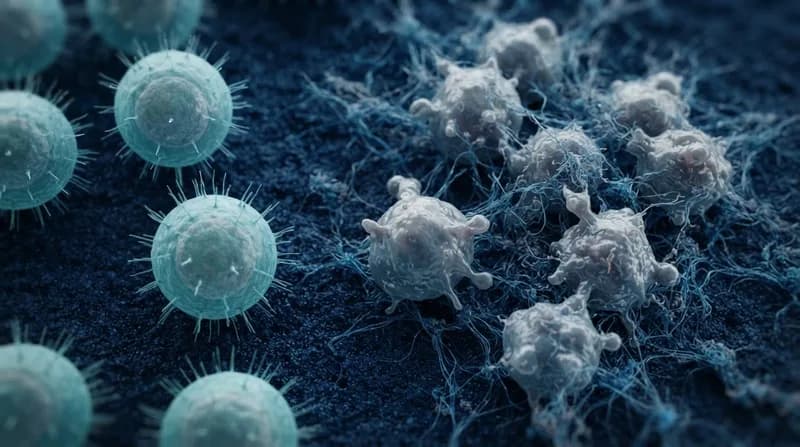
By investigating the blood samples of patients and utilizing preclinical models, researchers discovered that the true culprit behind MKD lies within natural killer (NK) cells. These cells, which are crucial for the early detection and elimination of viral threats, are failing to mature in patients with MKD. Instead of performing their primary duty of neutralizing infected cells, these NK cells remain loaded with toxic granules that they cannot properly release. In a desperate attempt to compensate for this inability to clear threats, the cells "scream" for help, flooding the body with interferon gamma—a powerful inflammatory signaling molecule that triggers the systemic fever and tissue damage associated with the disease.
A New Therapeutic Pathway
The realization that NK cell dysfunction is the primary driver of the disorder has opened a transformative door for treatment. Because traditional therapies focused on blocking macrophage-related signals often fail to provide relief for roughly half of all MKD patients, the medical team looked for alternatives that target the specific pathways utilized by interferon gamma.
The research team identified JAK inhibitors—a class of drugs already utilized to manage conditions like rheumatoid arthritis and eczema—as a viable candidate to dampen this excessive inflammatory response. In a promising clinical development, physicians at the Royal Children's Hospital in Melbourne administered the JAK inhibitor baricitinib to an infant suffering from severe MKD. The results were encouraging: the frequency of the child's inflammatory flares dropped significantly, and existing gastrointestinal inflammation began to show signs of healing. While this case study is individual, it serves as a robust proof-of-concept for future clinical trials.
Why it Matters
- Overturning Dogma: The shift from blaming macrophages to identifying NK cell dysfunction corrects a 30-year misunderstanding of the disease mechanism.
- Targeted Intervention: By focusing on JAK inhibitors, clinicians now have a tangible path toward treating patients who were previously considered non-responsive to standard therapies.
- Broader Implications: The research introduces the concept of "prenylopathies," a family of genetic disorders that likely share this same underlying NK cell defect, potentially unlocking new treatment protocols for a wider range of rare illnesses.
Reframing the Future of 'Prenylopathies'
The implications of this study extend far beyond the specific case of Mevalonate Kinase Deficiency. By categorizing MKD alongside other related genetic disorders under the umbrella of "prenylopathies," researchers hope to streamline the diagnostic process for patients who currently spend years navigating a complex "diagnostic odyssey."
If these related disorders share the same underlying metabolic pathway and subsequent NK cell malfunction, the medical community may finally be able to standardize treatment strategies that prioritize neutralizing interferon gamma activity. This discovery not only provides immediate hope for those suffering from MKD but also establishes a new blueprint for investigating similar, enigmatic inflammatory diseases that have long puzzled clinicians. As the Garvan team continues their work, the focus now shifts toward formal clinical studies to validate these findings and standardize care for patients worldwide.