A New Era of Smart Home Automation
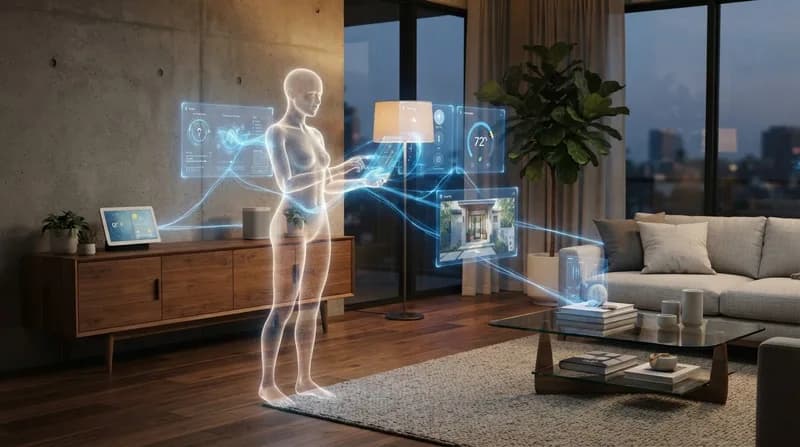
Google has officially taken a significant step toward making the smart home truly intelligent by rolling out early access to its Model Context Protocol (MCP) server for the Google Home ecosystem. This integration allows AI agents—ranging from Claude and ChatGPT to specialized models—to bridge the gap between abstract digital reasoning and physical household control. By leveraging the open-standard MCP, users can now provide their preferred AI assistants with the necessary permissions to interface directly with their connected home hardware.
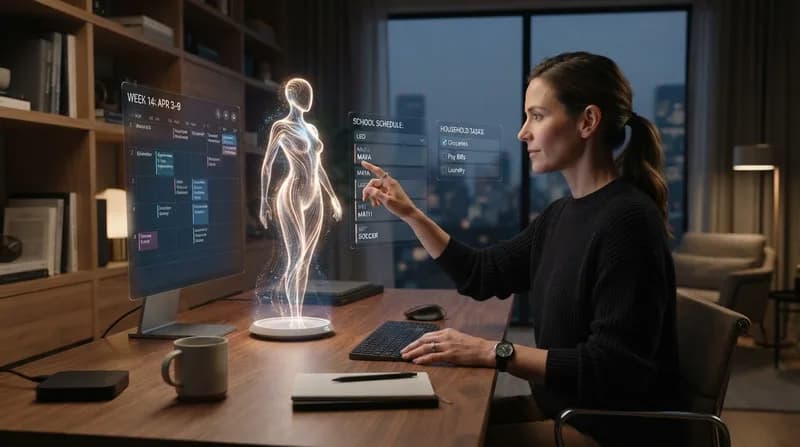
The utility of this update extends far beyond simple voice commands. Because the agents gain access to event histories and device states, they can perform complex tasks such as summarizing security camera footage, auditing smart home activity, and dynamically adjusting environmental controls. Users are no longer restricted to pre-programmed routines; they can effectively build custom smart home dashboards or issue natural language requests that require the agent to coordinate multiple devices simultaneously.
Technical Setup and Ecosystem Compatibility
To implement this, the process involves creating a Google Cloud project configured for the Home MCP. Once the configuration details are shared with an AI agent of choice, the agent triggers an authentication flow, allowing the user to grant specific, scoped permissions. The system is designed to support the entire Google Home ecosystem, including first-party Nest thermostats and doorbells, as well as the wide array of third-party devices certified under the 'Works with Google Home' or Matter standards.
This initiative is currently available to subscribers of Google Home Premium Advanced in the United States—the company’s high-tier, $20-per-month service. While the move is technically oriented toward developers and tech enthusiasts, it represents a shift in how consumer hardware is managed. By providing this infrastructure, Google is shifting the burden of home automation from rigid software rules to fluid, AI-driven decision-making.
Why It Matters
- Agent Interoperability: Using the MCP standard ensures that the system isn't locked to a single AI provider, allowing users to choose the agent that best suits their needs.
- Advanced Insight: Moving beyond simple toggles, AI agents can synthesize data, such as reviewing a day's worth of doorbell activity and providing a summary for the homeowner.
- Customization: Users can design their own interaction logic, enabling a higher degree of personalization than traditional smart home platforms allow.
For now, Google is actively soliciting feedback through its Smart Home for Developers Community. While there is no official word on when this functionality might trickle down to lower subscription tiers or reach international markets, the launch marks a definitive milestone in the convergence of generative AI and IoT hardware. As these agents become more sophisticated, the dream of a proactive, rather than reactive, smart home is rapidly nearing fruition.