The Evolution of the Linux Console
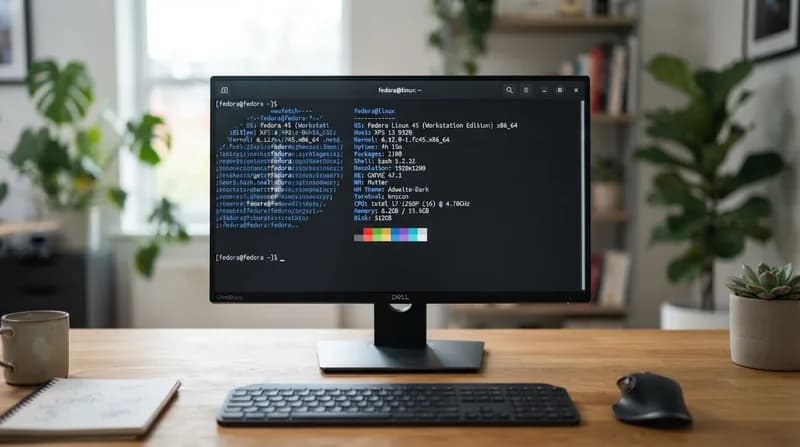
The latest beta release of Fedora 45 marks a significant milestone in the evolution of the Linux desktop environment. Beyond the expected software updates and kernel refinements, the distribution has taken the bold step of replacing the legacy in-kernel text-mode interface—a fixture of Linux since its inception—with kmscon. This transition represents a major modernization effort, bringing the foundational text console into the 21st century by leveraging the kernel's Direct Rendering Manager (DRM) and Kernel Mode Setting (KMS) facilities.
Kmscon, a userspace terminal emulator that has matured through over a decade of community development, offers a suite of long-requested features that make the command-line interface far more accessible. By operating in userspace, it sidesteps the limitations of the traditional in-kernel console, providing superior Unicode support for global character sets and enabling the kind of high-resolution flexibility that modern display hardware demands. This is not merely a backend change; it transforms how users interact with the system during boot-up, maintenance, and recovery scenarios.
Key Advancements in Fedora 45
One of the most immediate benefits of this shift is the introduction of smooth, on-the-fly scaling. Users can now adjust the size of terminal text using simple keyboard shortcuts like Ctrl and + or -, ensuring that text remains crisp and legible even on high-density (HiDPI) displays. This functionality resolves the perennial issue of tiny, unreadable console text that has plagued high-resolution screens for years. Furthermore, the implementation of richer color support allows for more detailed diagnostic output, significantly improving the experience for developers and sysadmins who spend extensive time in the terminal.
The technical improvements extend beyond visual flair. The integration includes multiseat support, allowing for multiple users to operate on a single machine with independent keyboards and displays, alongside enhanced internationalization capabilities. For the security-conscious, Fedora 45 further fortifies its infrastructure by enforcing strict package signing within the RPM package manager. The DNF5 packaging tool also sees logic updates designed to prevent the accidental switching of package vendors during upgrades, a proactive measure aimed at increasing system stability and predictability.
Context and Future Implications
While the desktop environment remains familiar, the Fedora 45 beta showcases a refined iteration of GNOME 51-rc, which brings improvements to accessibility through better screen reader integration and more intuitive keyboard navigation. For specialized hardware users, the beta also includes advancements in Fedora Asahi Remix, which now offers experimental support for Apple's M3 series of silicon. This move reaffirms Fedora's commitment to pushing the boundaries of what Linux can do on non-standard computing platforms.
Why it matters: The replacement of the aging Linux console is a rare example of a foundational shift that prioritizes user comfort over legacy stability. By modernizing the console, Fedora is bridging the gap between "headless" power-user environments and modern graphical interfaces, making the powerful Linux terminal accessible to a broader audience. As users continue to demand seamless performance on everything from ultrabooks to high-res monitors, these under-the-hood refinements ensure the OS remains relevant and usable in a diverse computing landscape.