The Resurgence of the Legacy Core
In a surprising twist for the IT industry, the traditional "rip and replace" philosophy that defined the last decade is undergoing a significant transformation. As companies race to integrate artificial intelligence into their operations, they are finding that their most reliable, decades-old systems—specifically mainframes—are not obsolete bottlenecks but rather the vital bedrock of their AI ambitions. A comprehensive 2026 report from Ensono, which surveyed hundreds of IT leaders across the US and UK, highlights this shift, noting that a staggering 78 percent of decision-makers now view their legacy hardware as more strategically important than they did just two years ago.
This trend marks a clear departure from the frantic push toward pure cloud migration. Instead of decommissioning core systems to save on maintenance, firms are realizing that these systems house the dense, proprietary business logic and clean, structured data sets that are essential for training and deploying effective AI models. By keeping these "legacy" assets, businesses are effectively leveraging a foundational layer that would be prohibitively expensive and risky to rebuild from scratch.
Why it Matters: The AI-Driven Modernization Pivot
- Strategic Value of Data: Legacy systems act as a secure, long-term vault for critical business data, which is now being tapped as a competitive edge for custom AI applications.
- Economic Pragmatism: With budget overruns and talent shortages plaguing modernization efforts, "sweating" existing assets—extending their lifecycle from five to seven years—is becoming a standard financial safeguard.
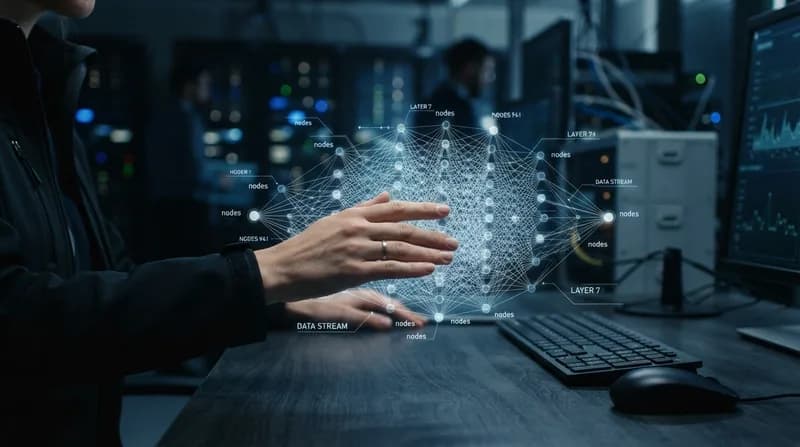
- Augmentation Over Replacement: Over half of organizations are choosing to modernize in place, using AI agents and automation to make existing codebases more agile rather than opting for a total system overhaul.
- Integration Barriers: The primary roadblock to AI deployment remains the difficulty of integrating modern AI software into monolithic legacy workflows, a challenge that companies are solving through tactical, incremental updates rather than broad structural changes.
The New Operational Landscape
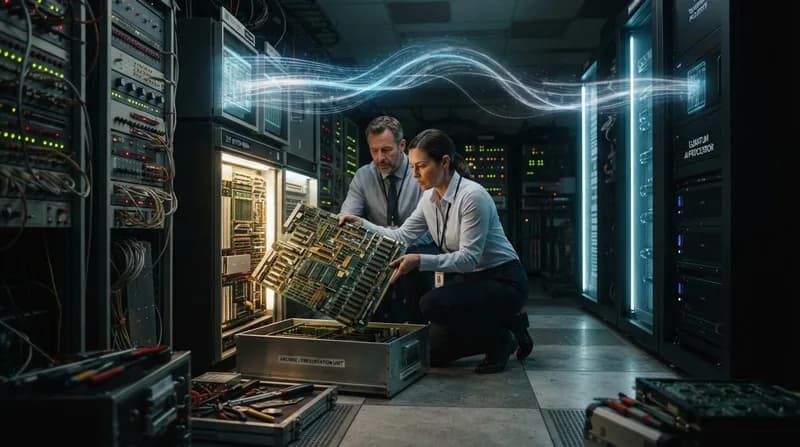
The operational reality for modern enterprises is one of calculated equilibrium. While 45 percent of firms are scaling AI across the board, they are hitting the reality of infrastructure limitations. For many, the answer lies in a hybrid approach: moving non-essential, flexible workloads to the cloud while keeping core transactional systems and sensitive datasets on the mainframe. This "big iron" approach allows companies to maintain security and reliability while wrapping the systems in modern AI interfaces that facilitate better data processing.
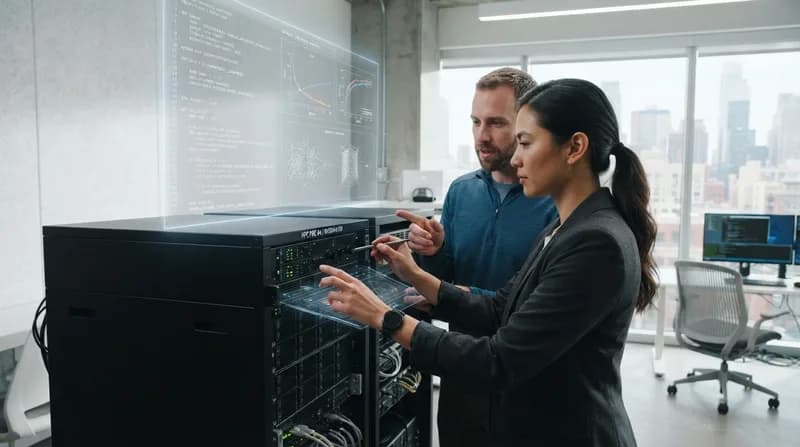
Brian Klingbeil, Chief Strategy Officer at Ensono, suggests that the advantage will ultimately go to organizations that demonstrate the nuance to distinguish between what needs to be replaced and what should be augmented. This shift is echoed by hardware giants like HPE, who have observed a definitive move in refresh cycles. Customers are now looking further down their roadmaps, forced into a rigorous decision-making process: Is a hardware refresh truly essential for the current AI roadmap, or can existing, powerful systems be extended to meet the new compute demands of an AI-first era?