E-BUZZ ME Logo
ScienceTechnical Deep Dive

Global Warming Linked to Over $20 Billion in Annual Crop Losses

Published
Global Warming Linked to Over $20 Billion in Annual Crop Losses
1 min read146 words

The Gist

New data reveals that climate change is already significantly reducing global crop yields, resulting in staggering financial damages that exceed $20 billion every year.

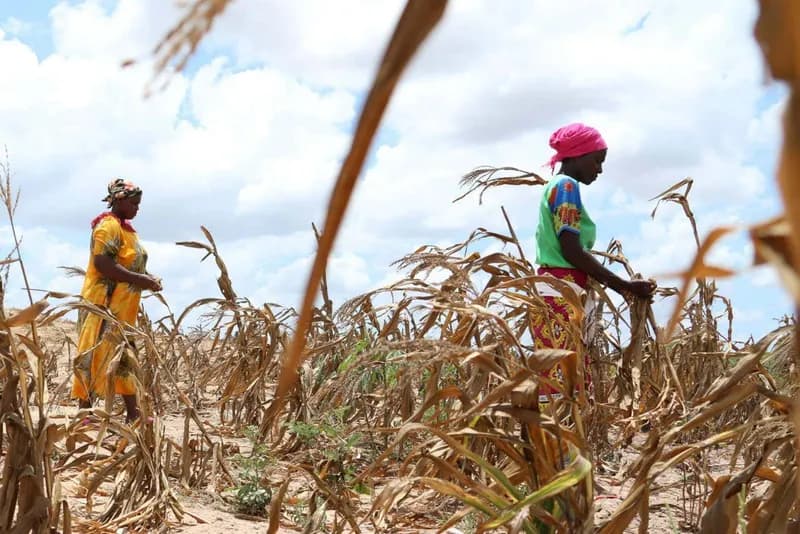
Climate change is no longer a future threat to global food security; it is a present reality. Recent analysis indicates that rising global temperatures are already responsible for over $20 billion in annual crop losses. These findings highlight the immediate economic impact of shifting weather patterns on agricultural productivity.

Rising Temperatures, Falling Yields

The study suggests that as the planet continues to warm, the disruption to traditional growing seasons and the increased frequency of extreme weather events are directly hitting the bottom line for farmers worldwide. The subsequent financial losses are expected to escalate further if the current warming trend remains unchecked.

While various regions are experiencing different levels of impact, the overall global trend shows a clear correlation between increased heat and decreased yields for major staples. This economic burden poses a significant challenge for global food supply chains and economic stability in agriculture-dependent nations.


Related Stories

Semantically matched articles, ranked by topic overlap and freshness.

Unprecedented Warming: Earth's Current Climate Shift Outpaces Geological History
Science69%

Unprecedented Warming: Earth's Current Climate Shift Outpaces Geological History

New analysis of Earth's climate history reveals that the current rate of global warming is faster than any previously recorded geological event.

NASA’s Deep Space Network Threatened by Wildfire
Science63%

NASA’s Deep Space Network Threatened by Wildfire

One of the three critical communication stations enabling NASA to talk to deep space missions is currently facing a direct threat from an active wildfire.

Sweden Explores Rare Earth Deposits to Challenge Global Supply Dominance
Science62%

Sweden Explores Rare Earth Deposits to Challenge Global Supply Dominance

Researchers are mapping Sweden's mineral wealth to create magnets from natural element combinations, aiming to reduce reliance on Chinese exports.

Self-Repairing Bio-Textiles: Scientists Create Clothing From Living Fungi
Science62%

Self-Repairing Bio-Textiles: Scientists Create Clothing From Living Fungi

Researchers have developed a revolutionary biodegradable textile using the parasitic fungus Cordyceps militaris that can clean and repair itself.

New Giant Salamander Species Identified from 3.5-Million-Year-Old Japanese Fossils
Science61%

New Giant Salamander Species Identified from 3.5-Million-Year-Old Japanese Fossils

Researchers have identified a new genus and species of giant salamander, Limnospondylus ajimuensis, from fossils originally discovered over two decades ago.

Biological Age Linked to Weight Loss Success in New Study
Science61%

Biological Age Linked to Weight Loss Success in New Study

A recent study suggests that individuals with a biological age younger than their chronological age may lose more weight when following calorie-restricted diets.

The Economic Hurdles Facing GLP-1 Weight Loss Drugs
Science61%

The Economic Hurdles Facing GLP-1 Weight Loss Drugs

While drugs like Ozempic and Wegovy offer significant health benefits, their high costs pose a major challenge to insurance budgets and patient access.

GLP-1 Weight Loss Drugs Linked to Increased Risk of Hair Loss
Science61%

GLP-1 Weight Loss Drugs Linked to Increased Risk of Hair Loss

A large-scale study reveals that popular GLP-1 medications like Ozempic and Mounjaro may carry a higher risk of alopecia compared to other diabetes treatments.