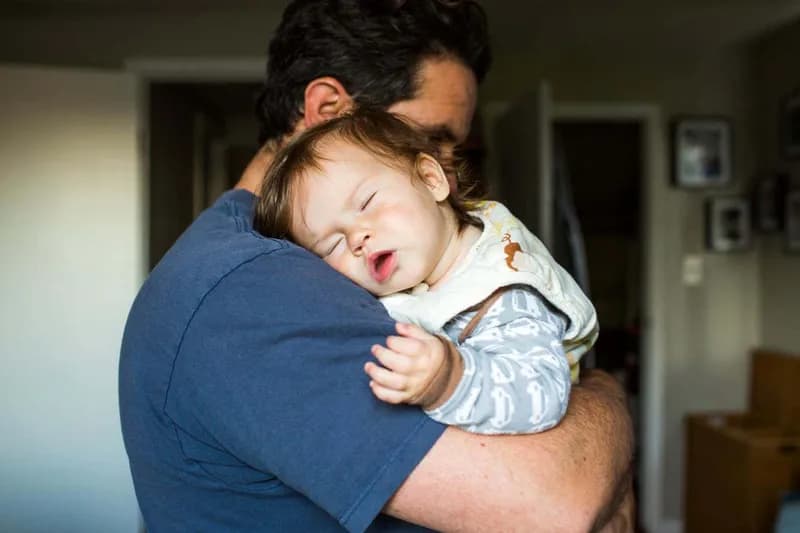
For decades, the scientific community has focused predominantly on the biological and psychological changes occurring in mothers during and after pregnancy. However, a new perspective is emerging that highlights the vital role of fathers. In her latest book, Dad Brain, author Darby Saxbe argues that the paternal experience is equally rooted in significant biological transformations.
The Overlooked Science of Dads
According to a recent review by Olivia Goldhill for New Scientist, dads have historically been overlooked in the realm of parenting research. Saxbe’s work aims to rectify this by examining how fatherhood reshapes the male brain and body. The book suggests that the transition to parenthood involves a complex interplay of hormones and neural plasticity that prepares men for the demands of caregiving.
Shifting the Narrative
By bringing the 'Dad Brain' into the spotlight, the research challenges the traditional notion that parenting instincts are exclusive to mothers. This scientific deep dive provides a more inclusive understanding of family dynamics and the evolutionary mechanisms that support paternal involvement. As the conversation around modern parenting evolves, Saxbe’s insights offer a necessary framework for acknowledging the profound impact of fatherhood on the male biology.