E-BUZZ ME Logo
ScienceTechnical Deep Dive

Experimental Cell Therapy Shows Breakthrough Results in Pediatric Brain Cancer

Published
Experimental Cell Therapy Shows Breakthrough Results in Pediatric Brain Cancer
1 min read163 words

The Gist

A pioneering immunotherapy treatment has successfully eliminated aggressive brain tumors in four children with terminal diagnoses.

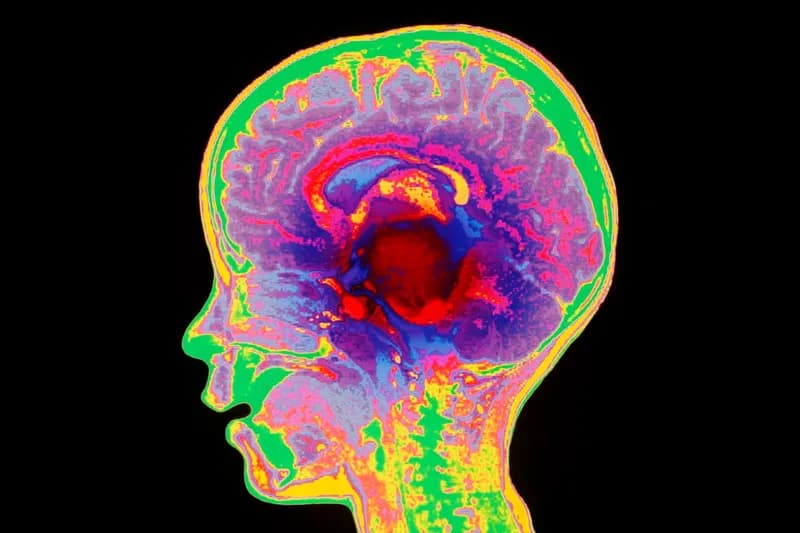
Medical researchers have achieved a significant breakthrough in oncology following an experimental immunotherapy trial that saved four children suffering from terminal brain cancer. The treatment targeted aggressive brain tumors that were previously considered untreatable, offering new hope for pediatric patients facing similar diagnoses.

Personalized Immunotherapy Approach

The therapy functions by utilizing a personalized version of cell treatment, designed to stimulate the body's immune system to identify and destroy malignant cells within the brain. Following the success of this initial phase, the clinical trial is now expanding to include a larger cohort of patients to further validate the efficacy and safety of the personalized treatment protocol.

While the results are currently limited to a small group, the complete remission observed in these cases marks a vital step forward in the fight against high-grade pediatric gliomas. Researchers emphasize that while the therapy is still in the experimental stages, the ability to overcome the blood-brain barrier and sustain an immune response is a major scientific milestone.

Related Stories

Semantically matched articles, ranked by topic overlap and freshness.

New Experimental Antiviral Pill Shows Promise in Halting Measles Transmission
Science65%

New Experimental Antiviral Pill Shows Promise in Halting Measles Transmission

A breakthrough antiviral treatment has successfully prevented the spread of a measles-like virus in animal trials, offering a potential new tool to contain future outbreaks.

Longevity-Linked APOE2 Gene Found to Shield Brain from Aging and Alzheimer’s
Science64%

Longevity-Linked APOE2 Gene Found to Shield Brain from Aging and Alzheimer’s

Researchers have discovered that the APOE2 gene variant protects neurons by reducing DNA damage and enhancing stress recovery, offering a potential blueprint for new Alzheimer’s therapies.

Self-Repairing Bio-Textiles: Scientists Create Clothing From Living Fungi
Science64%

Self-Repairing Bio-Textiles: Scientists Create Clothing From Living Fungi

Researchers have developed a revolutionary biodegradable textile using the parasitic fungus Cordyceps militaris that can clean and repair itself.

Sulfur-Based Compound Identified as Potential Breakthrough for Aging Muscle Repair
Science62%

Sulfur-Based Compound Identified as Potential Breakthrough for Aging Muscle Repair

Researchers have discovered a compound named LASSS that protects proteins essential for muscle recovery, offering hope for combating age-related muscle loss.

AI Aids Stanford Researchers in Discovering Natural Weight Loss Molecule
Science62%

AI Aids Stanford Researchers in Discovering Natural Weight Loss Molecule

Stanford scientists have identified a natural molecule that mimics the weight-loss effects of Ozempic with fewer side effects by targeting specific brain regions.

U.S. Schools Struggle with Concussion Support for Returning Students
Science61%

U.S. Schools Struggle with Concussion Support for Returning Students

A new study reveals that many public schools lack the necessary policies and staff training to support students recovering from concussions.

Sweden Explores Rare Earth Deposits to Challenge Global Supply Dominance
Science60%

Sweden Explores Rare Earth Deposits to Challenge Global Supply Dominance

Researchers are mapping Sweden's mineral wealth to create magnets from natural element combinations, aiming to reduce reliance on Chinese exports.

Biological Age Linked to Weight Loss Success in New Study
Science59%

Biological Age Linked to Weight Loss Success in New Study

A recent study suggests that individuals with a biological age younger than their chronological age may lose more weight when following calorie-restricted diets.