E-BUZZ ME Logo
ScienceTechnical Deep Dive

Existing Constipation Medication Shows Promise in Clearing Post-Depression Brain Fog

Published
Existing Constipation Medication Shows Promise in Clearing Post-Depression Brain Fog
1 min read171 words

The Gist

A small clinical trial suggests that the drug prucalopride may improve memory and cognitive speed by targeting specific serotonin receptors.

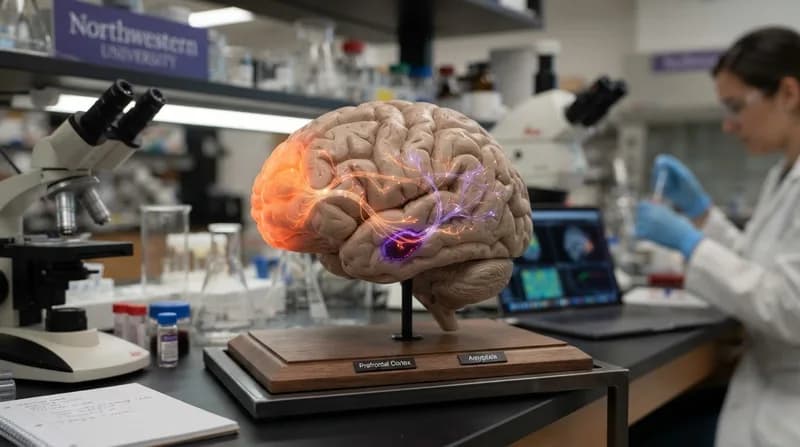
New research suggests that an existing medication commonly prescribed for constipation could offer a breakthrough in treating cognitive symptoms associated with depression. In a targeted clinical trial, researchers found that the drug prucalopride may help clear the cognitive impairment often referred to as "brain fog."

Improved Cognitive Performance

During the study, participants with a history of depression who were administered prucalopride for approximately one week showed marked improvements in several key areas. Compared to a control group receiving a placebo, those taking the medication performed significantly better on standardized tests measuring memory, attention span, and processing speed.

The Serotonin Connection

The drug works by targeting a specific serotonin receptor that is present in both the gastrointestinal tract and the brain. This dual presence explains why a gut-focused medication can influence neurological functions. Importantly, researchers reported that the treatment was well-tolerated, with no significant side effects observed during the trial period. This discovery opens the door for further research into repurposed medications to treat the lingering cognitive effects of mental health disorders.


Related Stories

Semantically matched articles, ranked by topic overlap and freshness.

Working Memory Rapidly Re-Prioritizes After Distractions, New Study Reveals
Science70%

Working Memory Rapidly Re-Prioritizes After Distractions, New Study Reveals

A new study highlights the brain's remarkable ability to swiftly update working memory priorities to maintain focus on immediate tasks despite frequent interruptions.

The Impact of Ultra-Processed Foods on Long-Term Brain Health
Science69%

The Impact of Ultra-Processed Foods on Long-Term Brain Health

New research highlights a concerning link between ultra-processed diets and increased risks of depression, anxiety, and dementia.

Innovative Treadmill Therapy Shows Promise for PTSD Recovery
Science69%

Innovative Treadmill Therapy Shows Promise for PTSD Recovery

Researchers at the University of Alberta have found that combining physical motion with memory confrontation significantly improves PTSD treatment outcomes.

Mapping the Mind: Two Neural Pathways Explain Habit Formation
Science66%

Mapping the Mind: Two Neural Pathways Explain Habit Formation

New research identifies the specific brain mechanisms that transition deliberate actions into automatic routines, explaining why some habits feel harder to break than others.

Innovative Eye Implant and High-Tech Glasses Approved to Combat Vision Loss
Science61%

Innovative Eye Implant and High-Tech Glasses Approved to Combat Vision Loss

A breakthrough eye implant and smart glasses system has received European regulatory approval, offering hope to those suffering from severe age-related vision loss.

Early Childhood Infections Linked to the Sibling Earnings Gap
Science61%

Early Childhood Infections Linked to the Sibling Earnings Gap

New research suggests that the lower average earnings of younger siblings may be driven by exposure to respiratory infections brought home by their older brothers and sisters.

Chinese University Probes Alleged Death in Gene-Editing Trial
Science61%

Chinese University Probes Alleged Death in Gene-Editing Trial

A Chinese university is investigating reports that a 6-year-old girl died during a gene-editing trial, an incident allegedly omitted from published research.

Young Adults Struggle with Healthcare Independence, New Poll Finds
Science60%

Young Adults Struggle with Healthcare Independence, New Poll Finds

A University of Michigan poll reveals that many young adults aged 18–25 lack the basic skills necessary to manage their own medical needs without parental assistance.