An Unfolding Digital Siege
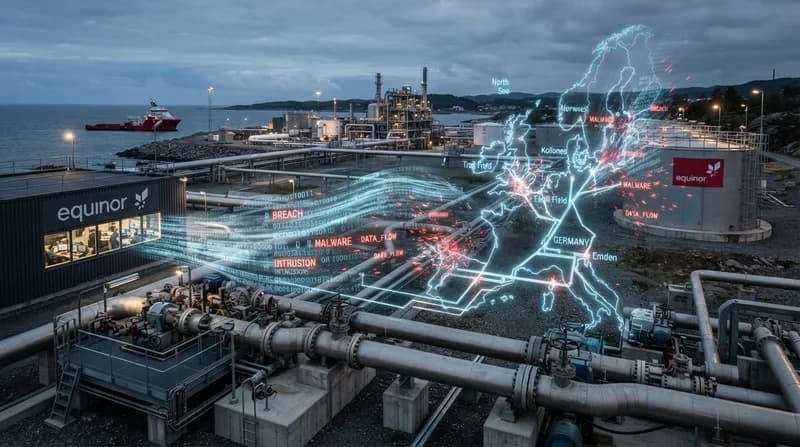
Equinor, the Norwegian energy juggernaut and Europe’s primary natural gas supplier, is currently locked in a battle against an ongoing cyberattack targeting its corporate IT infrastructure. The incident, which was first publicly disclosed on Tuesday evening, has prompted a swift mobilization of security resources as the company attempts to contain the breach. Despite the gravity of such a disruption for a firm of this scale, Equinor has maintained a reassuring stance, repeatedly confirming that its operational technology—the systems responsible for oil and gas extraction—remains entirely unaffected.
As of Thursday, the situation remains fluid. While internal corporate applications and email services have experienced significant downtime, limiting the communication capabilities of some of the company’s 25,000 employees, the broader production pipeline persists without interruption. Equinor has stated that it has not yet identified the threat actors behind the intrusion, nor has it confirmed any ransom demands or data exfiltration. The company has officially reported the matter to Norwegian law enforcement, emphasizing that because the incident does not involve a self-replicating virus, the risk of the threat spreading laterally through its network is currently contained.
Why It Matters
- Energy Security: Since 2022, Norway has become the linchpin of European energy security, filling the void left by diminished Russian imports. Any threat to Equinor is, by proxy, a threat to the stability of the European energy grid.
- Broad Infrastructure Vulnerability: The attack follows a recent warning from Norway’s National Security Authority, which noted a tripling of successful cyber operations against Norwegian businesses. The incident serves as a stark reminder of the escalating risks facing critical infrastructure providers globally.
- Separation of IT and OT: Equinor’s ability to keep its production lines humming despite the compromise of its corporate IT environment highlights the vital industry practice of air-gapping or logically separating office networks from industrial control systems.
The Broader Threat Landscape
The timing of this incident is particularly sensitive. Just weeks prior, Norwegian authorities raised the national cyberattack risk assessment to four out of five, warning of a potential surge in hostile operations targeting essential services. While Equinor is fortunate that its production assets appear shielded, recent history shows how vulnerable industrial infrastructure can be when hackers gain access to physical control systems. For example, recent state-sponsored attacks against French refrigeration units demonstrated that intruders can cause millions of euros in damage and physical safety hazards if they bypass corporate firewalls.
As Equinor continues to work toward restoring full functionality, industry observers remain focused on the potential for long-term fallout. While the company has provided updates claiming no data was stolen or altered, the lack of a clear timeline for full system restoration leaves questions regarding the depth and sophistication of the adversary. For now, the company’s focus remains on stabilizing its internal communications, ensuring that its vital contributions to energy production and offshore wind projects, such as the Dogger Bank site, continue to function as expected.