The Collision of AI Ambition and Export Controls
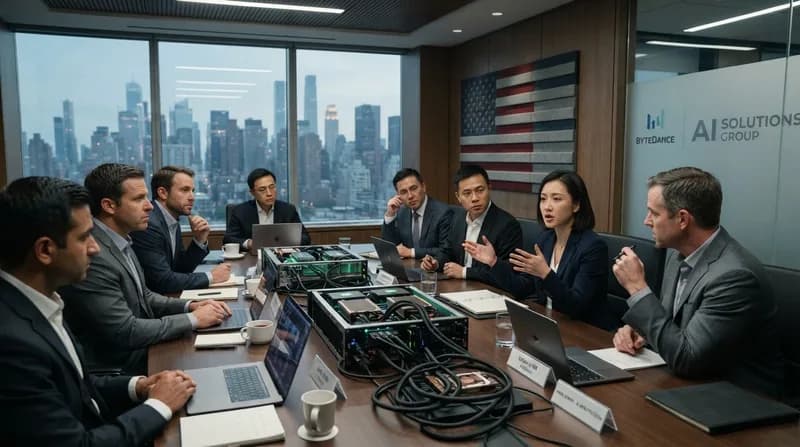
The landscape for global AI infrastructure is shifting rapidly as Nscale Plc’s recent agreement to supply AI computing capacity to ByteDance Ltd. draws significant attention from regulators. This deal, intended to bolster the computing prowess behind TikTok’s parent company, has become a lightning rod for the ongoing battle over international access to high-performance American technology.
Why it Matters
At the core of this scrutiny is the Biden administration's aggressive policy to restrict China’s ability to harness cutting-edge chips and AI hardware. By preventing the transfer of advanced silicon, the US government aims to stifle developments that could grant a strategic edge to foreign adversaries. Nscale, which specializes in scalable cloud infrastructure, now finds itself in the middle of this geopolitical tug-of-war, illustrating how companies must navigate a tightening web of international trade compliance.
The Regulatory Landscape
- Expanded Export Curbs: US policies now reach far beyond direct product sales, capturing cloud infrastructure deals involving foreign-based AI entities.
- Strategic Friction: The partnership highlights the tension between global data center providers and the restrictive environment created by national security interests.
- Investor Uncertainty: The heightened oversight has prompted concerns among stakeholders regarding the long-term viability of partnerships that rely on American-made hardware to power Chinese platforms.
As the situation unfolds, it serves as a critical indicator for the tech sector. Hardware access is the lifeblood of current AI development, and for companies like Nscale, the path to expansion is no longer just about engineering capability, but about maintaining compliance within a highly fragmented global market. The regulatory pressure on this specific deal could set a precedent for how future infrastructure-as-a-service providers handle cross-border contracts in the age of AI supremacy.