The Great Battery Debate
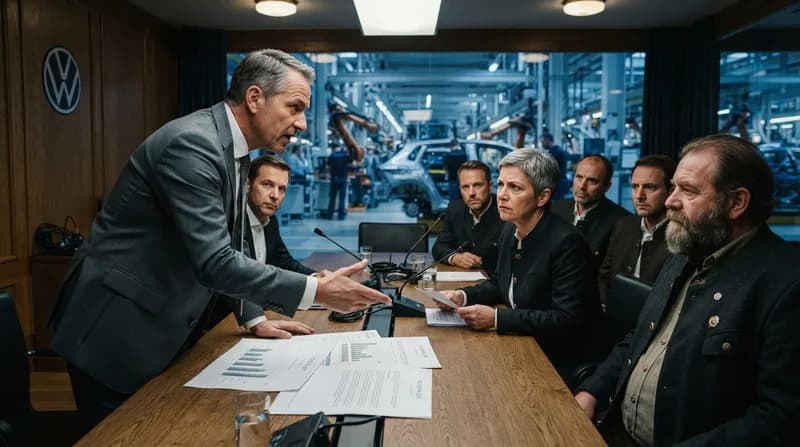
The European automotive sector is currently locked in a tense debate regarding the feasibility of the European Union’s 'Industrial Accelerator Act' (IAA). At the heart of the controversy are the proposed Local Content provisions, which aim to prioritize EVs containing batteries manufactured within EU borders for public procurement and government subsidies. While the European Automobile Manufacturers’ Association (ACEA) has issued warnings suggesting that the continent’s battery supply chain will face a critical shortfall, a fresh analysis from the sustainability think tank Transport & Environment (T&E) paints a significantly more optimistic picture.
According to T&E, the alarmist narrative surrounding a potential 'battery famine' overlooks the reality of existing and upcoming manufacturing capacity. The organization posits that by 2030, Europe will not only have sufficient cell production to meet the demand for subsidized electric vehicles but will also possess the industrial footprint necessary to secure a resilient, localized value chain. This divergence in outlook between industry lobbyists and environmental researchers highlights a fundamental disagreement over whether the current legislative pressure is a catalyst for innovation or an impossible hurdle.
The Current Manufacturing Landscape
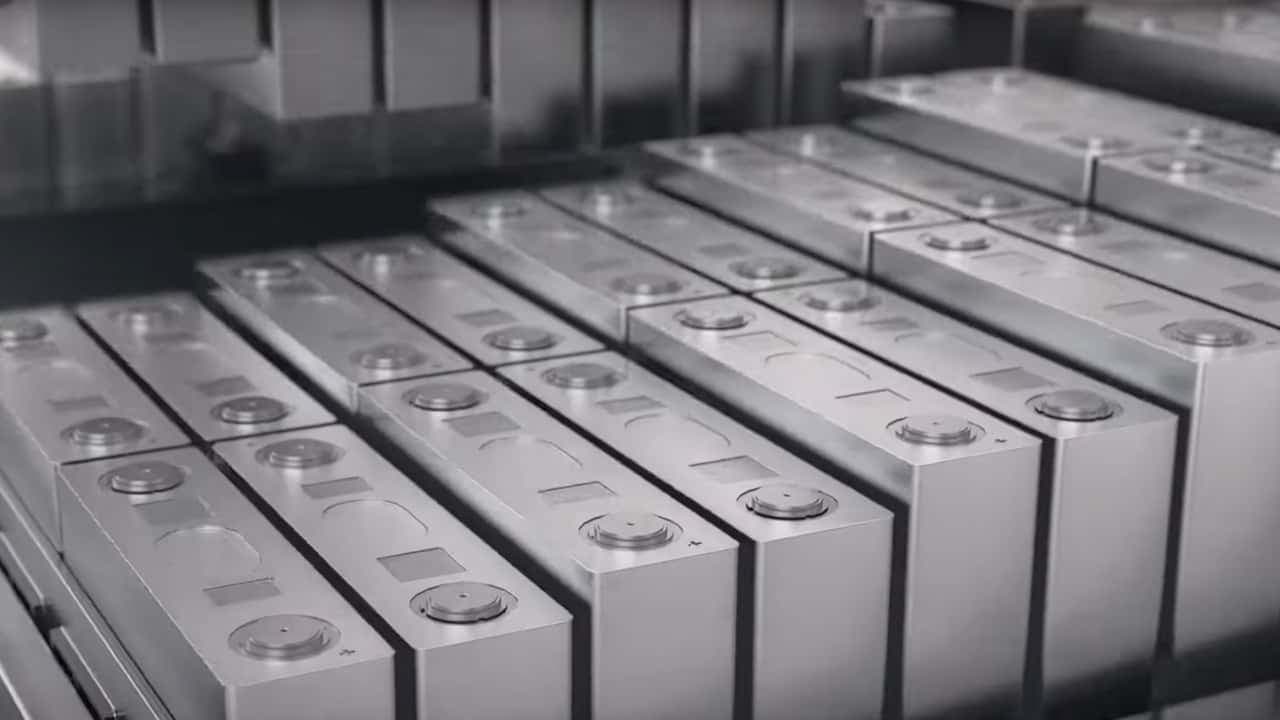
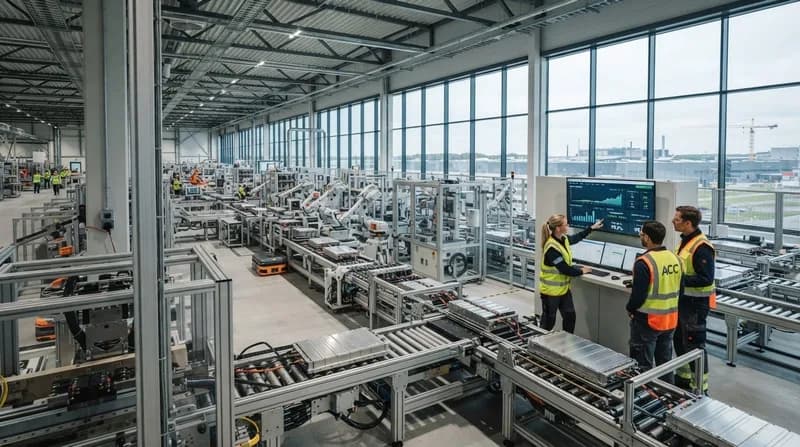
The T&E report reveals a nuanced reality regarding who is actually building these batteries. While there is a strong push for 'Made in EU' products, nearly 85% of the current active production capacity is held by non-European entities. Specifically, South Korean giants like LG Energy Solution, Samsung SDI, and SK On dominate the landscape, operating massive facilities in countries like Poland and Hungary. Furthermore, Chinese battery powerhouse CATL has cemented its footprint with a major factory in Arnstadt, Germany, and a secondary facility in Debrecen, Hungary, which has recently entered the testing phase.
Crucially, the EU's proposed 'Local Content' rules are geography-blind rather than origin-blind; as long as the cell is manufactured on European soil, it counts toward the mandate. This means that despite the dominance of Asian manufacturers, their presence within EU borders is a key component of the successful scaling of local supply. T&E argues that by leveraging these established facilities alongside new domestic efforts—such as the ramp-up of the VW-backed PowerCo plant in Salzgitter—the region is well-positioned to hit its targets, provided that ongoing and planned projects move forward without further disruption.
Addressing the Bottleneck: Precursor Materials
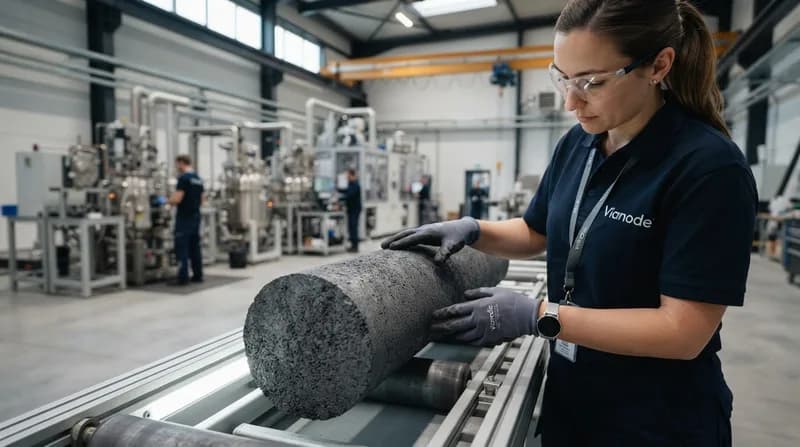
While T&E expresses confidence in cell availability, it acknowledges significant hurdles in the upstream supply chain. The production of cathode active material (CAM) and its precursors (pCAM) remains the true risk factor. T&E’s projections indicate that while there is an abundance of announced capacity, once the probability of project realization is factored in, the numbers drop significantly. For instance, out of over 550 GWh of announced pCAM projects, only about 217 GWh are considered likely to reach completion by 2030.
To mitigate this, T&E is urging policymakers to remain steadfast in the current IAA requirements while preparing for future expansion. They advocate for the introduction of minimum quotas for pCAM and anode active materials starting in 2032. By shifting the regulatory focus from mere cell assembly to the deeper layers of the battery supply chain, the organization believes Europe can insulate itself from global market volatility and solidify its status as a clean-tech powerhouse.
Why It Matters
- Strategic Autonomy: Moving away from reliance on non-European battery imports is seen as essential for long-term economic resilience and job creation.
- Policy Conflict: The clash between ACEA’s caution and T&E’s optimism forces EU regulators to decide between granting industry extensions or accelerating the transition to local manufacturing.
- Industrial Evolution: The transition signals a departure from internal combustion legacy, pushing European manufacturing centers toward battery assembly and chemical processing.