The Challenges of Vision-Only Autonomy
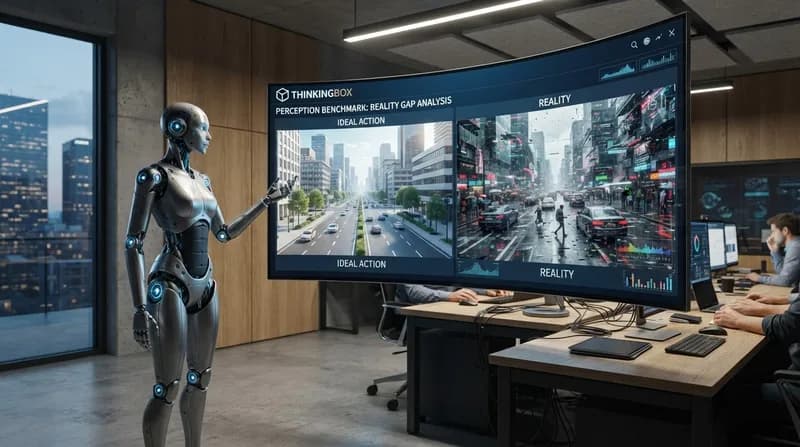
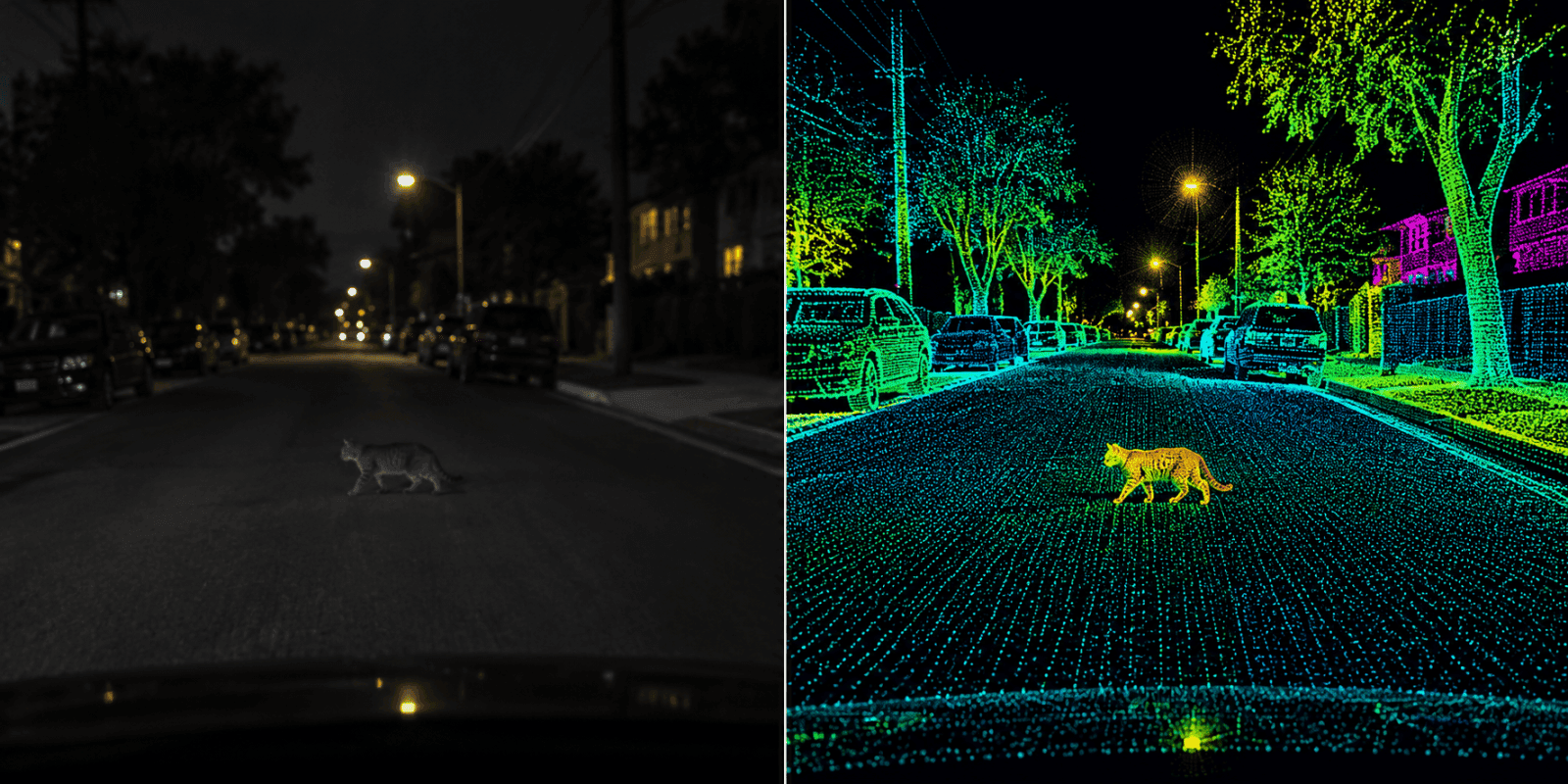
Tesla has long maintained a staunch commitment to vision-based artificial intelligence for its Full Self-Driving (FSD) suite, favoring high-definition camera arrays over the bulky LiDAR sensors used by most of its competitors. However, recent discourse surrounding the Tesla Robotaxi project has brought these technical limitations into sharp focus. Elon Musk recently addressed public concerns regarding the vehicle's current lack of nighttime availability, clarifying that while the camera-centric approach excels in many conditions, the absence of LiDAR poses specific hurdles during low-light operations.
The current architecture relies on neural networks trained to interpret visual data much like a human driver. While this provides a cost-effective and scalable solution for mass-market vehicles, it encounters distinct performance degradation when lighting conditions are poor or when rapid, high-precision depth perception is required in pitch-black environments. By explicitly linking the necessity of LiDAR to consistent night-time performance, Musk has opened a new chapter in the debate over the optimal sensor suite for fully autonomous transport.
Why it Matters
- Performance Constraints: Current Robotaxi iterations face reliability hurdles when navigating complex urban environments at night without external lighting.
- Strategic Pivot: The acknowledgement suggests that achieving true 'Level 5' autonomy might require a hybrid approach or further advancements in specialized infrared and radar sensor fusion.
- Safety Benchmarks: Regulators remain skeptical of purely visual systems for commercial robo-taxis that operate during all hours, heightening the pressure for technical upgrades.
Looking ahead, the industry is closely watching how Tesla plans to reconcile its vision-first strategy with the practical realities of 24/7 service. Whether the company chooses to implement advanced hardware updates or lean into massive improvements in AI-driven night vision processing will determine the timeline for the Robotaxi's expansion into nocturnal operations. This candid admission marks a significant shift in the narrative, acknowledging that while camera systems are the bedrock of the present, the pursuit of total autonomy may demand a more diverse array of sensory hardware to ensure passenger safety and operational consistency under the stars.