The Sugar Secret: A New Biological Clue
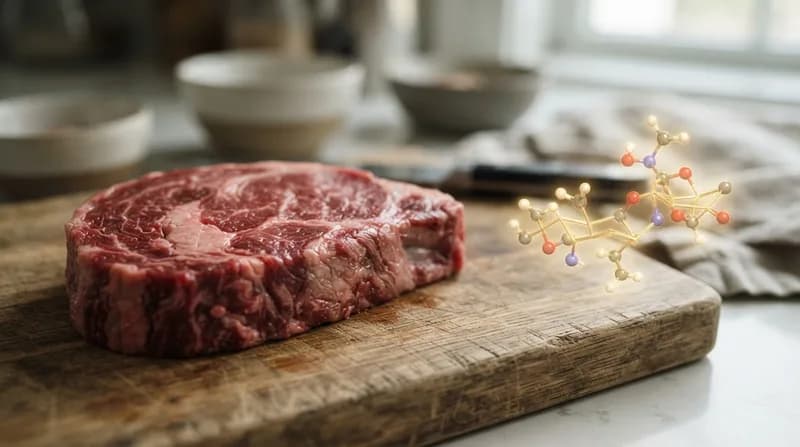
For years, researchers have observed a troubling correlation between the consumption of red meat and the prevalence of type 2 diabetes. While traditional explanations have largely focused on saturated fats, caloric density, and body mass index (BMI), a fresh study presented at the Annual Meeting of the European Association for the Study of Diabetes in Milan offers a different, more nuanced perspective. The research points toward N-glycolylneuraminic acid (Neu5Gc), a naturally occurring sugar found in mammalian tissues—and common in beef and lamb—as a potential culprit for long-term health complications.
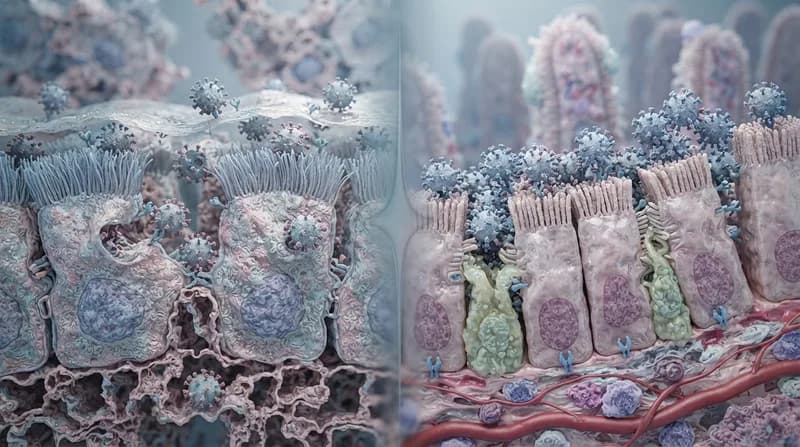
Humans are unique among mammals in that we lost the ability to produce Neu5Gc due to an ancient genetic mutation. Consequently, when we ingest this sugar through red meat, our immune systems perceive it as a foreign invader. This leads the body to produce antibodies against the molecule, initiating a persistent, low-grade inflammatory response known as xenosialitis. This chronic internal friction, researchers suggest, could interfere with metabolic processes and insulin regulation, providing a biological mechanism that links red meat consumption to disease risk, independent of traditional factors like weight gain.
A Large-Scale Investigation
The study, which followed nearly 90,000 adults over a median period of 7.2 years, utilized data from the NutriNet-Santé observational cohort. With a participant base averaging 42 years of age and composed primarily of women, the research team employed validated food frequency questionnaires to estimate the intake of Neu5Gc from various animal-based sources. Participants were divided into quintiles based on their consumption levels, allowing scientists to track the incidence of type 2 diabetes over time.
The results were striking: participants in the highest consumption bracket for meat-derived Neu5Gc faced a 63% higher risk of developing type 2 diabetes compared to those with the lowest intake. Notably, this statistical significance held firm even after adjusting for variables such as physical activity, smoking, and overall diet quality. While the association weakened when BMI was factored into the analysis, the findings indicate that obesity accounted for only about 13% of the total risk, suggesting that the physiological damage from the sugar operates largely through non-weight-related pathways.
Why Dairy Stays Off the Hook
An intriguing aspect of the study is the discrepancy between red meat and dairy. While both contain the sugar, high consumption of Neu5Gc from dairy products showed no clear link to the heightened diabetes risk observed with beef and lamb. Researchers hypothesize that this is primarily due to volume; the concentration of Neu5Gc in cow’s milk is significantly lower than that found in red muscle tissue. Consequently, the threshold required to provoke a persistent, deleterious immune response may not be reached through dairy intake, whereas heavy red meat consumption provides a steady, high-volume supply of the sugar that keeps the immune system in a state of constant, possibly harmful, activation.
Looking Toward Future Research
While the study provides a compelling hypothesis, the authors are careful to frame these results as preliminary. Because the research is observational, it cannot definitively prove that Neu5Gc is the primary causal agent of diabetes. Furthermore, because Neu5Gc intake is inextricably linked to the consumption of red meat itself, teasing apart whether the sugar or other compounds—such as heme iron—are the true drivers remains a challenge for future investigators.
The research team plans to move beyond dietary estimation by directly measuring anti-Neu5Gc antibodies in human blood samples to better understand the xenosialitis mechanism. As the scientific community continues to dissect the complex relationship between our diet and the microbiome, these findings emphasize the possibility that the health impacts of red meat may be rooted in deep evolutionary biology, potentially guiding future dietary recommendations toward plant-based or poultry-focused alternatives.