The Metabolic Link to Cognitive Decline
A widely used over-the-counter supplement, glucosamine, has recently come under intense scientific scrutiny following a comprehensive study conducted by researchers at the University of Florida. Often marketed for joint health and mobility, particularly among aging populations, glucosamine has now been linked to an increased risk of faster progression from mild cognitive impairment (MCI) to full-blown dementia. The findings, published in the journal Nature Metabolism, suggest that what is intended to improve quality of life might, in certain vulnerable brains, be contributing to neurodegenerative processes.
The study leveraged a massive dataset of deidentified patient health records spanning from 2012 to 2024. By applying advanced artificial intelligence to analyze these medical histories, researchers discovered that among patients diagnosed with MCI, those who reported taking glucosamine exhibited a 25% higher likelihood of their condition progressing to dementia. Furthermore, among individuals already diagnosed with Alzheimer’s-related dementias (ADRD), the use of the supplement was associated with a 25% higher mortality risk, indicating that the impact of the supplement may intensify once neurodegeneration is firmly established.
Understanding the Mechanism of Hyperglycosylation
The research team, led by Dr. Ramon Sun and other colleagues at the UF McKnight Brain Institute, did more than observe a statistical correlation. They uncovered a biological mechanism that explains how glucosamine might inadvertently fuel cognitive decline. At the heart of the issue is a process known as 'sugar-tagging,' or the attachment of sugar molecules to proteins. While this process is normal in healthy cellular biology, it appears to go into overdrive in the brains of Alzheimer's patients.
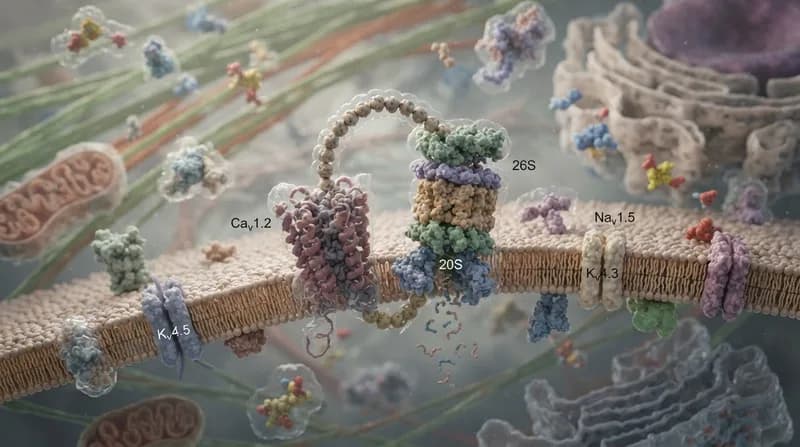
Glucosamine, which is known to cross the blood-brain barrier, enters biochemical pathways that construct sugar structures. When the brain is already struggling with the metabolic disturbances characteristic of Alzheimer’s disease, the introduction of additional glucosamine appears to exacerbate the 'hyperglycosylation' of proteins. Essentially, the brain begins adding too many sugar tags to its protein 'machines,' causing them to malfunction, misfold, or fail to reach their intended destinations within the cell, thereby accelerating the accumulation of the plaques and tangles traditionally associated with the disease.
Evidence from Mouse Models and Human Tissue
To validate their hypothesis, the scientists engaged in a multi-pronged experimental approach. Using genetically modified mice, the team observed that those treated with glucosamine exhibited significantly worse 'social memory'—or the ability to recognize others—compared to untreated groups. Crucially, when the researchers chemically suppressed the sugar-tagging process in these mice, their cognitive performance showed marked improvement, suggesting that the excessive sugar attachment is a direct contributor to memory loss.
This theory was further bolstered by an examination of human brain tissue provided by the UF Neuromedicine Brain and Tissue Bank. Researchers compared samples from patients who had suffered from Alzheimer’s disease with those from healthy control groups. The Alzheimer’s-affected tissue displayed significantly higher levels of sugar-tagging, reinforcing the idea that metabolic dysregulation is a central, rather than incidental, driver of the disease's progression.
Why It Matters
- Widespread Usage: Millions of older adults consume glucosamine, making the potential for unintended harm a significant public health consideration.
- Metabolic Approach: This research shifts the focus from traditional Alzheimer's targets, like amyloid plaques, toward metabolic repair, opening new avenues for drug development.
- Preliminary Nature: While the association is strong, these findings are observational. Researchers stress that clinical trials are essential before definitive medical advice can be issued regarding current supplement usage.
As the scientific community continues to explore the complex intersection of metabolism and neurodegeneration, these findings serve as a stark reminder that even widely accepted supplements can have complex effects on a compromised central nervous system. Further clinical investigation will be the next critical step in determining whether glucosamine poses a clear danger to those with early-stage cognitive decline.