A Major Leap for Canadian EV Infrastructure
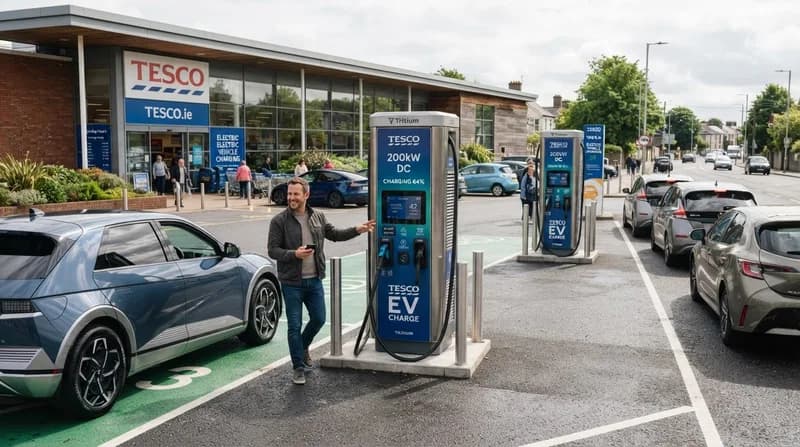
In a significant move to solidify its climate goals, the Canadian government has unveiled a comprehensive financial roadmap aimed at scaling up its electric vehicle charging infrastructure. The initiative involves a total investment of over $634 million, primarily focused on extending and expanding the existing Zero-Emission Vehicle Infrastructure Program (ZEVIP). If the proposed budget clears the Canadian Parliament, this funding will be distributed over five years beginning in 2027, with the primary target of adding 55,000 new charging points across the country. This expansion is designed to double the current capacity of 50,000 chargers, effectively bridging the gap in high-traffic corridors and metropolitan zones.
The ZEVIP renewal is particularly notable for its flexible funding model, which covers up to 50 percent of eligible project costs—or up to 75 percent for projects led by Indigenous communities—capped at $2 million per project. Beyond simple hardware installation, $45 million of the allocated funds are specifically earmarked for research and development within the charging ecosystem, fostering home-grown innovation and ensuring that Canada remains competitive in the evolving global EV landscape.
Grid Modernization: Powering the Future
Recognizing that a robust charging network is only as effective as the power grid supporting it, the federal government has also committed to a massive $50 billion plan to double Canada’s electricity grid capacity by 2050. A foundational pillar of this plan is an investment of nearly $4 billion over the next decade dedicated to electricity infrastructure expansion, renewable energy integration, and priority grid projects. This effort is supported by the Smart Renewables and Electrification Pathways Program, which aims to provide the reliable, clean energy necessary to sustain an electrified transport sector.
The government is also placing a strong emphasis on equity and regional development, with $1.6 billion set aside to modernize power systems in northern and remote communities. Furthermore, Natural Resources Canada will receive $26.4 million to invest in advanced data and modeling. This technical oversight is crucial, as accurate planning is essential to ensure that grid capacity aligns with the growing demand from residential, fleet, and heavy-duty EV charging infrastructure.
Why It Matters
- Strategic Continuity: By securing a five-year window for ZEVIP, the government provides the long-term policy certainty that private investors and infrastructure developers need to commit to large-scale deployments.
- Addressing Bottlenecks: The strategy shifts focus beyond just passenger vehicles, acknowledging the critical need for charging solutions for multi-unit residential buildings (condos/apartments) and logistics fleets.
- Systemic Integration: The recognition that charging infrastructure cannot exist in a vacuum is evidenced by the $50 billion grid commitment, ensuring that supply meets the massive increase in load expected over the coming decades.
While industry leaders like the Canadian Charging Infrastructure Council have praised the initiatives, some stakeholders have expressed caution. There are ongoing concerns regarding the lack of federal support for medium- and heavy-duty vehicle incentives and the absence of a comprehensive national strategy for battery recycling. Despite these gaps, the current investment marks one of the most ambitious infrastructure upgrades in Canada’s history, setting a clear trajectory toward a fully electrified transport future.