Targeting the P2X7 Receptor to Combat Neuroinflammation
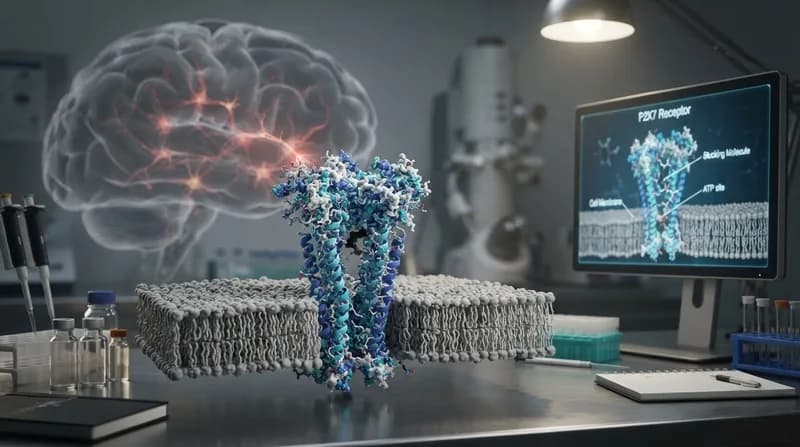
A team of researchers at the University of Birmingham has identified a promising new therapeutic target that could revolutionize how we address chronic neuroinflammation. In a study recently published in the journal Brain, the team demonstrated that blocking the P2X7 receptor—a protein found within the brain—significantly mitigates inflammatory responses. This discovery is particularly significant because the receptor is already well-understood, meaning existing pharmacological agents could potentially be repurposed to treat some of the most challenging neurological and psychiatric conditions facing patients today.
Neuroinflammation is a common thread running through a variety of debilitating diseases, including Alzheimer’s, Parkinson’s, multiple sclerosis, and the aftermath of traumatic brain injuries (TBI). Furthermore, researchers have noted its involvement in psychiatric conditions like schizophrenia and depression. By effectively switching off the signaling pathway driven by P2X7, medical professionals could theoretically stop the damage before it permanently alters cognitive or motor functions. The research successfully utilized both laboratory-grown cell models and, crucially, live human brain tissue, lending significant weight to the potential for future clinical success.
Advancing Research Through Human-Derived Microglia
One of the most innovative aspects of this research is the methodology used to study the brain's primary immune cells, known as microglia. Traditionally, studying these cells has been notoriously difficult because once they are extracted from the complex environment of the human brain, they rapidly lose their unique biological characteristics. To circumvent this, the Birmingham team developed a scalable platform that converts peripheral white blood cells into specialized, microglia-like cells.
This "monocyte-derived" approach allows scientists to maintain a stable, scalable model of human microglial biology. By applying a P2X7 receptor antagonist to these lab-grown cells, the researchers observed a dramatic interference with the inflammatory signals that typically surge when cells undergo stress or death. This platform not only provides a high-precision tool for future studies but also bridges the gap between basic laboratory research and the urgent need for human-centric clinical trials. By verifying these results in actual tissue samples gathered during neurosurgical procedures, the team has established a robust foundation for testing these therapies in human patients.
Outlook and Clinical Implications
The implications of this finding extend far beyond basic neurobiology. Since the P2X7 receptor is already a known quantity in medical pharmacology, the research moves the conversation away from the lengthy process of drug discovery and toward the more immediate goal of drug repurposing. The next phase for the research team involves transitioning these findings into structured clinical trials. This is particularly vital for patients suffering from traumatic brain injury, where there are currently very few pharmacological tools available to prevent the cascading, long-term inflammatory damage that follows an initial impact.
Ultimately, this research serves as a beacon of hope for conditions that have long been considered untreatable. By focusing on the underlying mechanisms of neuroinflammation rather than just managing symptoms, scientists are opening doors to a new generation of treatments. As the field looks toward clinical applications, the primary focus will remain on the safety and efficacy of these antagonists in human subjects, paving the way for a potential paradigm shift in the treatment of chronic brain disorders.