A Breakthrough in Cellular Reprogramming
In a milestone achievement for regenerative medicine, researchers at the University of Bonn and the University Hospital of Bonn have successfully demonstrated that human cells can be significantly rejuvenated in a laboratory setting. By directly converting red blood cell precursors into neural stem cells, the team has managed to reset the internal molecular clocks that dictate a cell's biological age. This discovery, detailed in the journal Aging Cell, suggests that the physical effects of aging on a cellular level are not necessarily permanent.
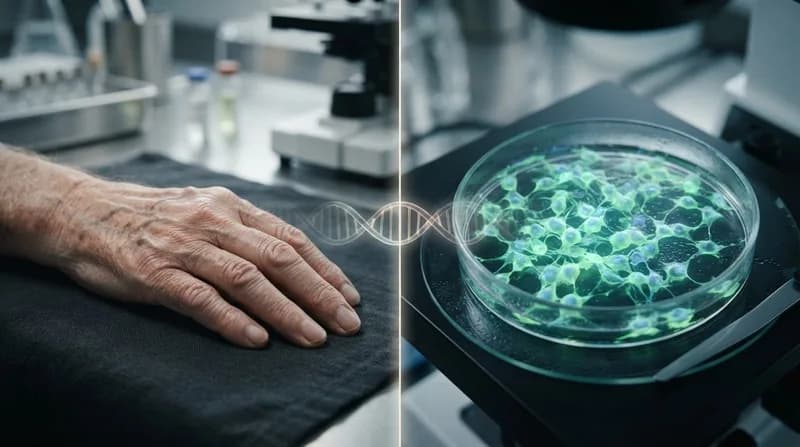
The study focused on a sophisticated reprogramming technique that bypasses the traditional, rapid multi-step process previously used in regenerative research. By transforming donor cells—even those from an 80-year-old individual—directly into neural stem cells, the researchers observed a dramatic reduction in biological markers. The resulting cells functioned and exhibited a molecular age of less than 20 years, effectively reversing six decades of aging in a controlled, experimental environment.
Understanding the Epigenetic Clock
At the heart of this study is the concept of the epigenetic clock. While DNA provides the fundamental code for our bodies, epigenetics acts as the regulator that determines how and when those genes are read. As humans age, these epigenetic markers accumulate changes that reflect the passage of time. The team at the University of Bonn found that by utilizing a specific cocktail of transcription factors, they could guide cells to adopt a different developmental path while simultaneously scrubbing these accumulated age-related modifications.
Unlike previous methods that required a two-step transition—first creating pluripotent stem cells and then guiding them to become neural tissue—this new "direct" conversion occurs over a period of roughly 100 days. This slower transition is a massive advantage for researchers. It allows for a granular, step-by-step observation of the rejuvenation process as it happens, providing a unique "window" into the mechanisms that govern how cells lose and regain their youth.
Why It Matters
- Neurodegenerative Treatment: Since age is the primary risk factor for conditions like Alzheimer’s and Parkinson’s, the ability to generate "young" neural stem cells from a patient's own blood could revolutionize autologous cell therapies.
- Experimental Model: The protracted 100-day window allows scientists to test active substances and environmental factors that might accelerate or influence the rejuvenation process.
- Non-Pluripotent Direct Conversion: By avoiding the pluripotent stage, researchers avoid the complexity of "blank slate" cells, creating a more direct and potentially safer route for specific tissue regeneration.
The Future of Regenerative Neurology
The implications of this research extend far beyond the laboratory. By confirming that epigenetic rejuvenation ensures the cells behave like their youthful counterparts, the study moves us closer to practical clinical applications in neurology. The researchers previously demonstrated that these lab-grown neural cells could successfully form functional connections when transplanted into mouse models, suggesting that the rejuvenated cells possess the biological viability required for complex neurological tasks.
Moving forward, the University of Bonn team aims to leverage this slow-moving rejuvenation model to identify the specific molecular levers that control cellular aging. By isolating the factors that drive this process, the scientific community may eventually unlock therapeutic pathways to combat age-related cognitive decline, offering new hope for treatments that were previously considered impossible.