A Successful Return to Earth
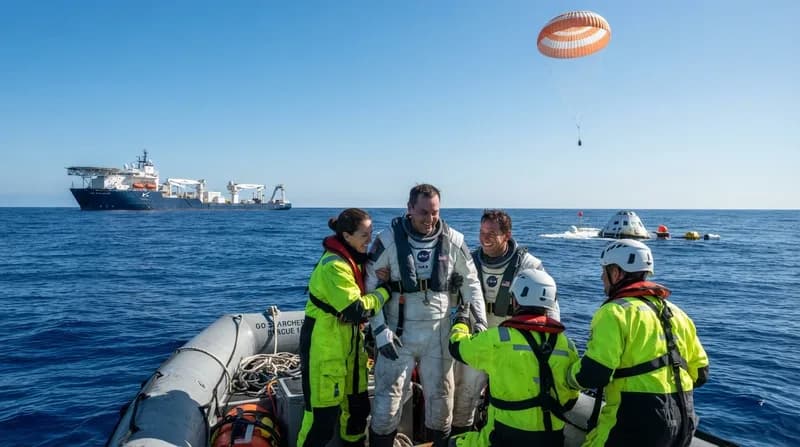
The Pacific Ocean off the coast of Los Angeles served as the landing site for the latest chapter in human spaceflight. On October 8, 2026, the SpaceX Crew Dragon Freedom spacecraft successfully completed its mission, splashing down and bringing four international astronauts home after an intense 237-day stay aboard the International Space Station (ISS). The crew, consisting of NASA astronauts Jessica Meir and Jack Hathaway, ESA astronaut Sophie Adenot, and Roscosmos cosmonaut Andrey Fedyaev, concluded a journey that saw them travel more than 100 million miles while completing over 3,792 orbits around our planet.
The mission, which launched on February 13, 2026, was more than just a logistical feat; it was a high-stakes research endeavor. Following the splashdown, recovery teams from SpaceX secured the capsule, ensuring the safety of the crew as they underwent preliminary medical checks before returning to NASA’s Johnson Space Center in Houston for further evaluation and debriefing.
Paving the Way for Lunar and Martian Exploration
The scientific yield from the Crew-12 mission is expected to influence the trajectory of long-duration space travel for years to come. Recognizing that future missions to the Moon and Mars will require unprecedented self-sufficiency, the crew dedicated hundreds of hours to experiments designed to bridge the gap between low-Earth orbit survival and deep-space independence.
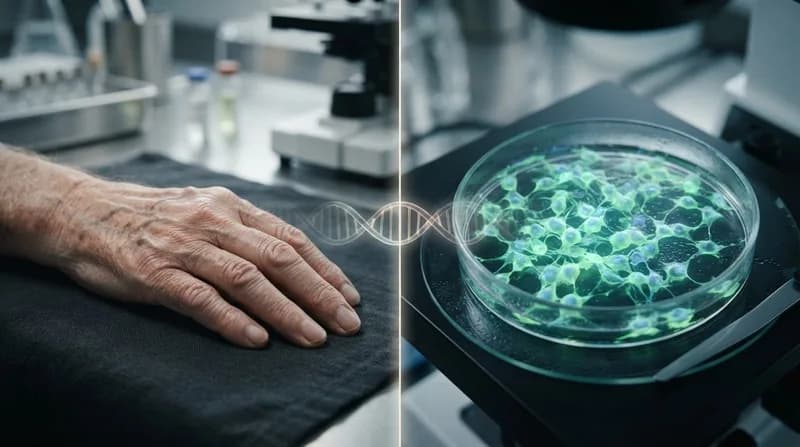
Key research areas included the on-orbit production of stem cells, which could revolutionize cell-based medical treatments both in space and for patients on Earth. Perhaps most critically, the team successfully tested technology for the on-demand production of intravenous fluids. This capability is essential for managing medical emergencies during long-duration voyages where supply resupply from Earth is impossible.
Key Research Highlights:
- Medical Autonomy: Development of on-demand IV fluid manufacturing for deep space environments.
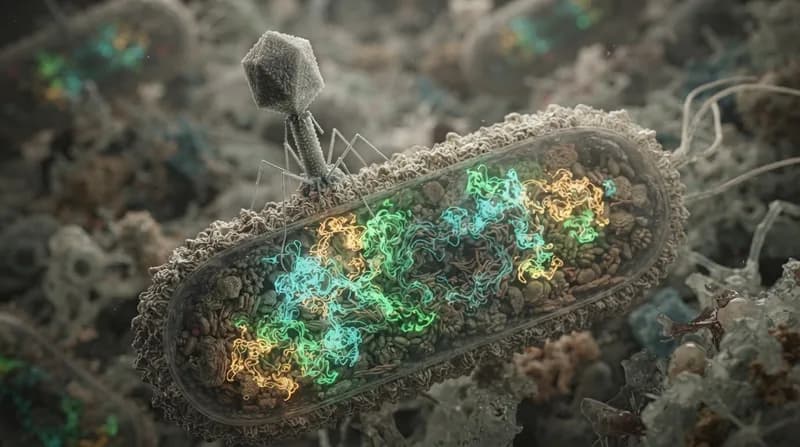
- Cardiovascular Insight: Investigating the connection between pneumonia-causing bacteria and long-term heart damage.
- Human Physiology: Studies on how individual physical traits influence blood flow and nutritional absorption in microgravity.
Milestones in Extravehicular Activity
The mission was also defined by significant milestones in spacewalking. Jessica Meir, a veteran of the orbital environment, successfully completed four spacewalks during her residency on the ISS, bringing her total career tally to seven. This accomplishment cements her status as one of the most prolific spacewalkers in NASA history, currently ranking third among female astronauts.
Furthermore, ESA astronaut Sophie Adenot achieved a historic first for her nation, completing three spacewalks during the mission. In doing so, Adenot became the first French woman to conduct extravehicular activities outside the space station, marking a proud moment for international cooperation in space exploration. These missions were not merely for maintenance but served as critical tests for the gear and operational procedures that will eventually be required to assemble and maintain habitats on the lunar surface and beyond.
Why It Matters
As NASA shifts its focus toward the Artemis program and eventual crewed missions to Mars, the data gathered by the Crew-12 mission serves as a foundational roadmap. By perfecting the balance of human health, medical autonomy, and orbital operations, agencies like NASA and the ESA are reducing the inherent risks of deep-space travel. The safe return of these four professionals demonstrates the growing maturity of commercial partnerships, such as those with SpaceX, in sustaining a continuous human presence in space while pushing the boundaries of what is possible in the solar system.