The Anatomy of Speed: Unlocking Spirostomum ambiguum
In the quiet world of microbiology, the single-celled ciliate Spirostomum ambiguum has long been a subject of intrigue. Recent research from North Carolina State University, published in the Proceedings of the National Academy of Sciences, has finally shed light on its most extraordinary feature: the ability to compress its body to just one-quarter of its original length in under five milliseconds. This feat occurs at a rate of roughly 100 body lengths per second, a performance that eclipses human muscle speed by nearly tenfold. For scientists looking to push the boundaries of mechanical engineering, this organism is not just a biological curiosity; it is a blueprint for the future of synthetic motion.
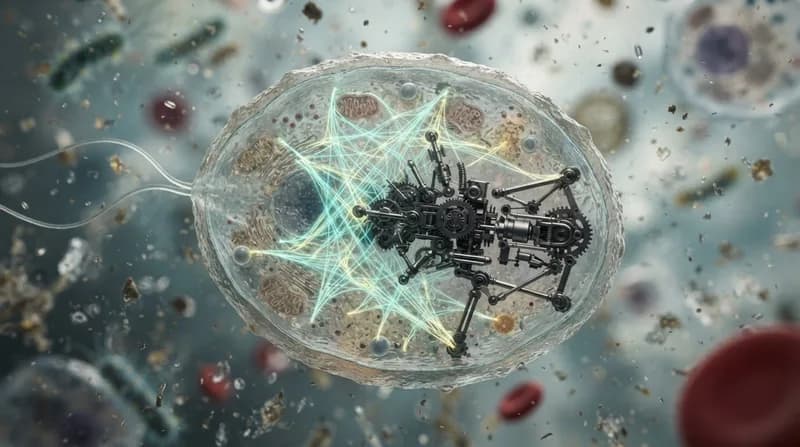
Unlike complex animals that utilize muscle fibers, Spirostomum relies on specialized fibrous structures known as myonemes. These structures are composed of a unique protein complex involving centrin and Sfi1. When viewed through advanced electron and immunofluorescence microscopy, this system reveals a geometry akin to a fishnet surrounding the organism. This structural design is crucial, as it allows for a uniform contraction that protects the internal organelles from the physical stress of such a rapid, repeated movement.
The Mechanics of a Biological Fishnet
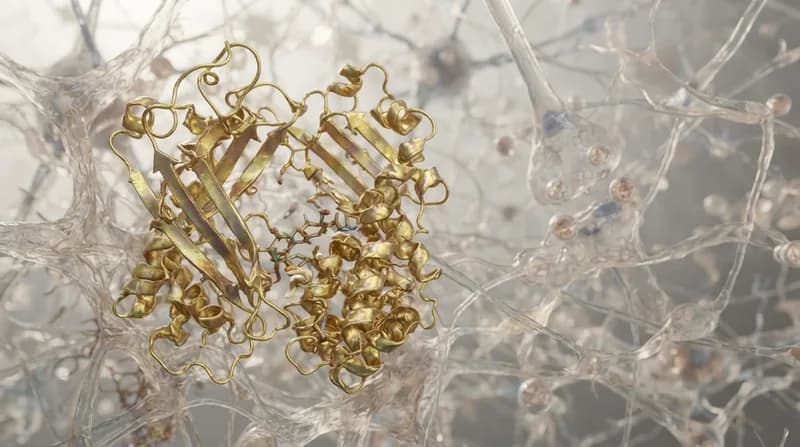
The secret to this rapid contraction lies in the behavior of the Sfi1 protein. In its resting state, the protein maintains a specific stiffness that holds the fishnet structure in place. However, the introduction of calcium ions triggers a dramatic transformation. Upon exposure to these ions, Sfi1 shifts from a stiff, rigid state into a flexible, clumped configuration—described by researchers as similar to a ball of wet spaghetti. This transition forces the fishnet to pull tight instantly, shrinking the cell.
Perhaps the most significant difference between this system and human biology is the power source. Human muscle contraction is fueled by adenosine triphosphate (ATP), a process akin to burning fuel in a combustion engine. Spirostomum, by contrast, functions more like an electrical system. The calcium ions act as a signaling current that triggers the movement. While researchers have yet to fully decode how the organism generates the voltage to initiate these currents or how it resets the system for repeated cycles, the discovery presents a compelling alternative to traditional, fuel-dependent mechanical actuators.
Why It Matters
- Beyond ATP: Moving toward calcium-triggered systems could eliminate the need for chemical fuel in small-scale robotics, allowing for more efficient, high-speed synthetic muscles.
- Resilience in Design: The "fishnet" geometry provides a model for protective, uniform compression, a critical challenge in soft robotics and micro-mechanical engineering.
- Extreme Performance: Understanding how the organism resets its mechanism could unlock the potential for synthetic actuators that repeat rapid, powerful movements without fatigue.
Implications for Future Robotics
The implications for the field of robotics are profound. Engineers are constantly searching for ways to make artificial limbs and synthetic actuators move faster, consume less energy, and operate with higher precision. By mimicking the calcium-driven, fishnet-based architecture of Spirostomum ambiguum, future synthetic systems might bypass the limitations of current battery-operated or fuel-reliant motors. As researchers continue to map the precise electrical triggers and reset cycles of this organism, we move one step closer to developing a new class of ultra-responsive, bio-inspired hardware that could change everything from medical implants to deep-sea exploration tech.